I must start by congratulating directors Becky Done and Hannah Tuson-Heasley on their choice of George Bernard Shaw’s rarely performed gem, Village Wooing, for their directorial debut at CoPs’ Little Theatre. Set as the bijou venue is at the end of a row of pretty cottages, it was easy to feel I had stepped straight into Shaw’s sharply observed world of village life, class and courtship. The performance opened with a filmed prologue, complete with fuzzy visuals and crackling sound evocative of early cinema. Mark Haumann, as Shaw, introduced the play, reflecting on the rhythms of Ayot St Lawrence village life and “the simple encounters between people who cannot help but both irritate and depend upon one another”. The programme did not credit whoever created the film, but it certainly deserved one.
Written in 1933, this perfectly cast two-hander follows A, a travel writer, played with entitled assurance by Jonathan Wallis, and Z, a pragmatic working-class woman, in a luminous portrayal by Katie Levett. Shaw’s anti-romantic ‘comedietta for two voices’ reveals how class and power, rather than romance, shape relationships. As Shaw suggests in the introduction, companionship grows not from perfection, but from persistence, as a self-determining woman steadily pursues an avoidant intellectual man. He was writing about new women!
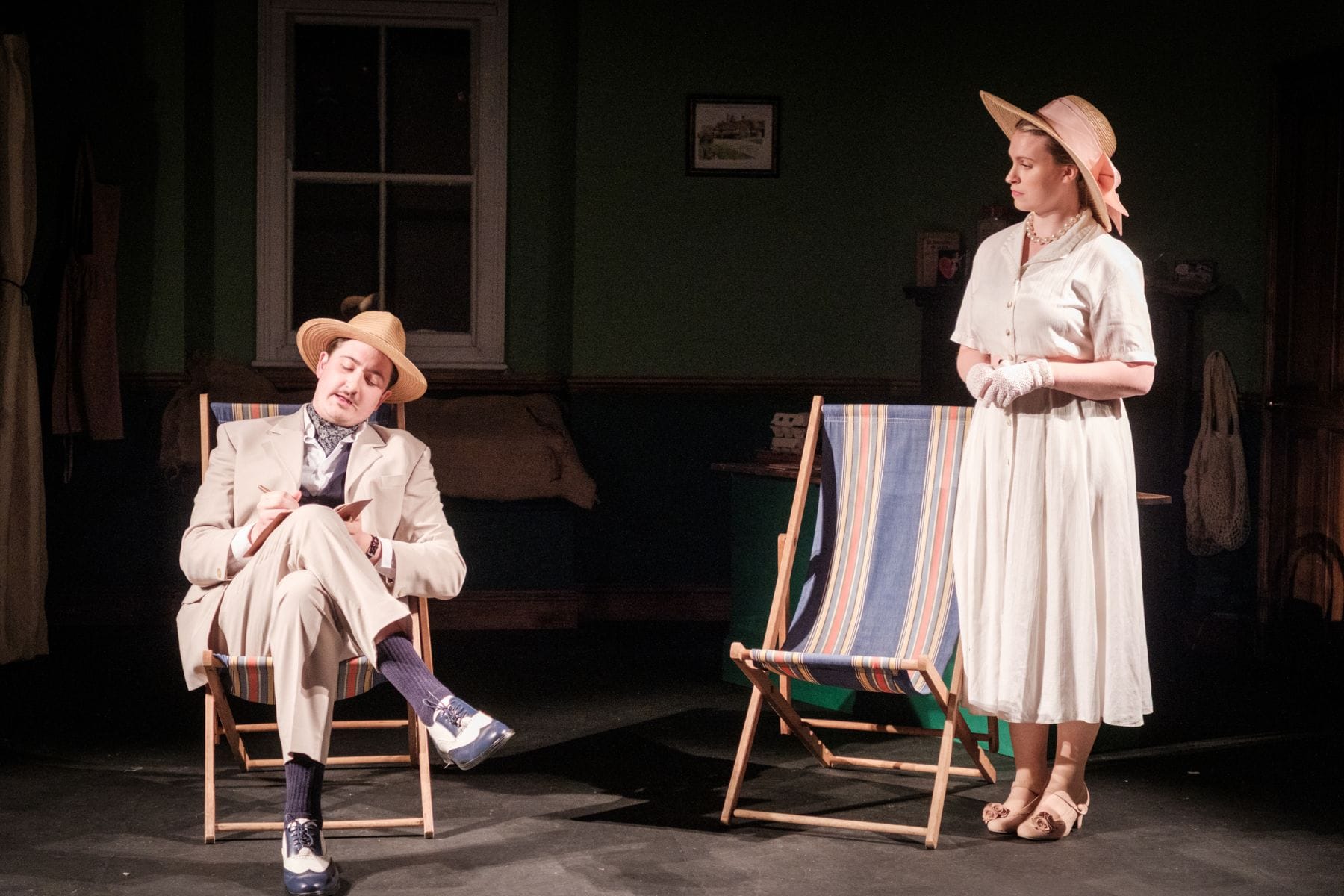
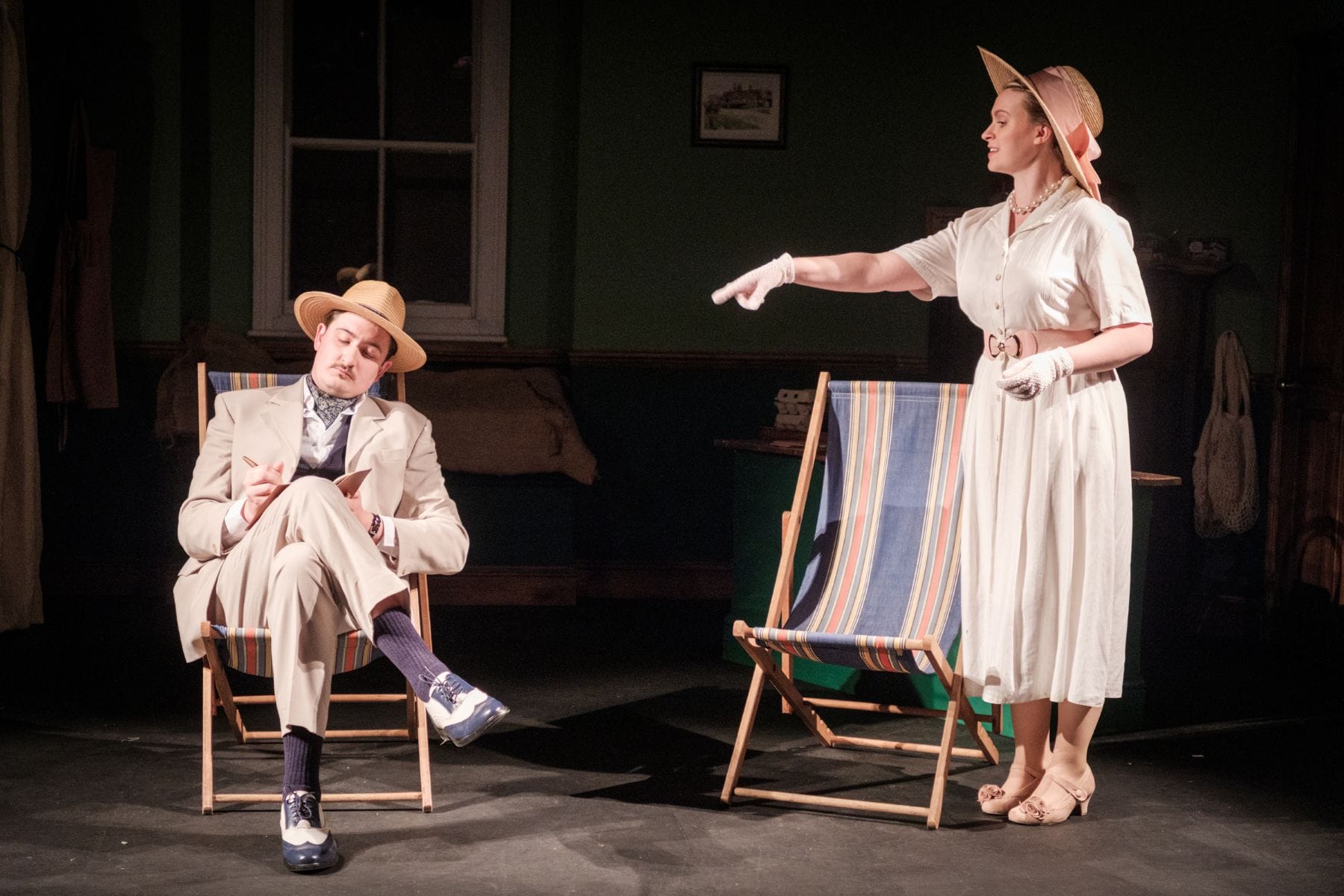
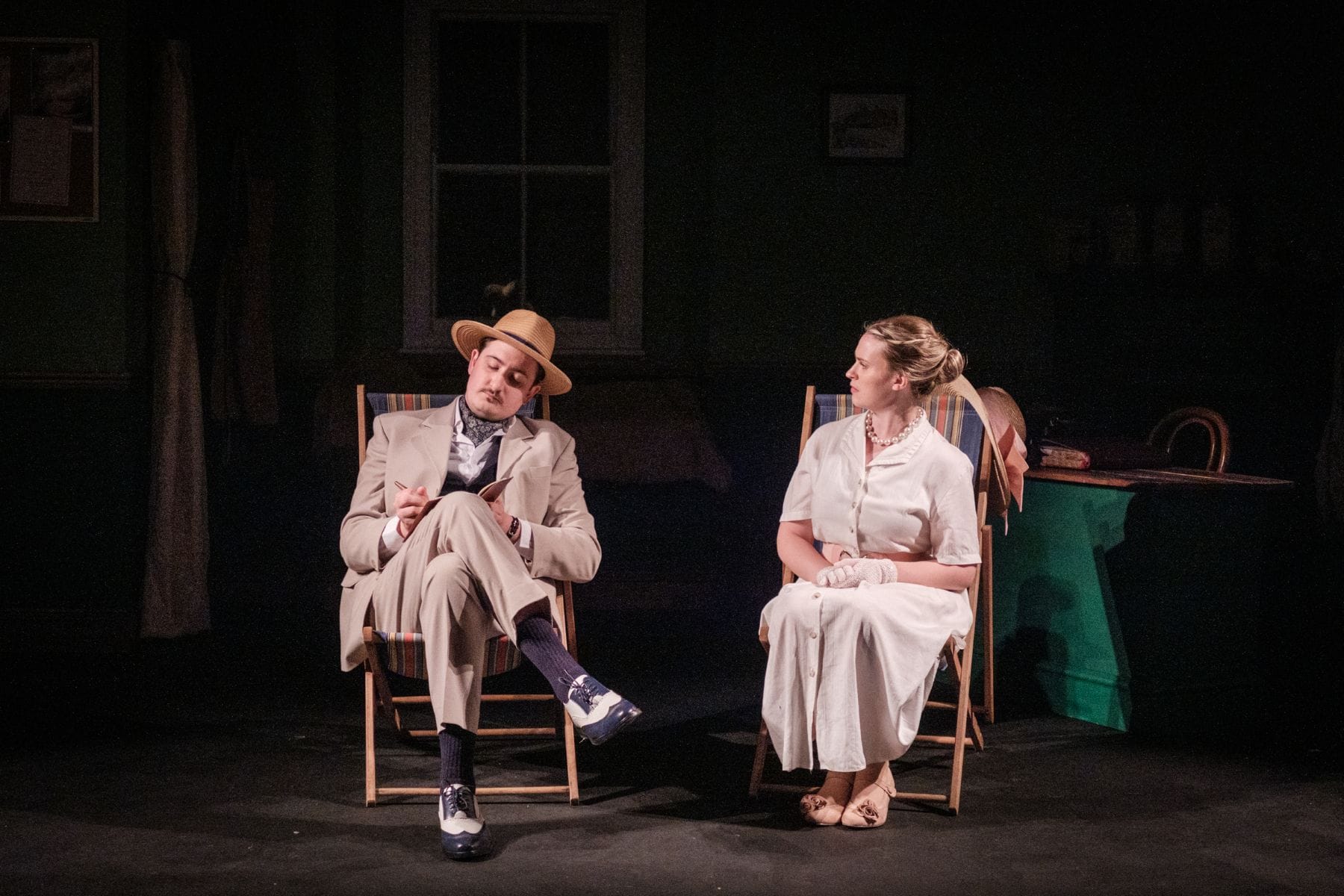
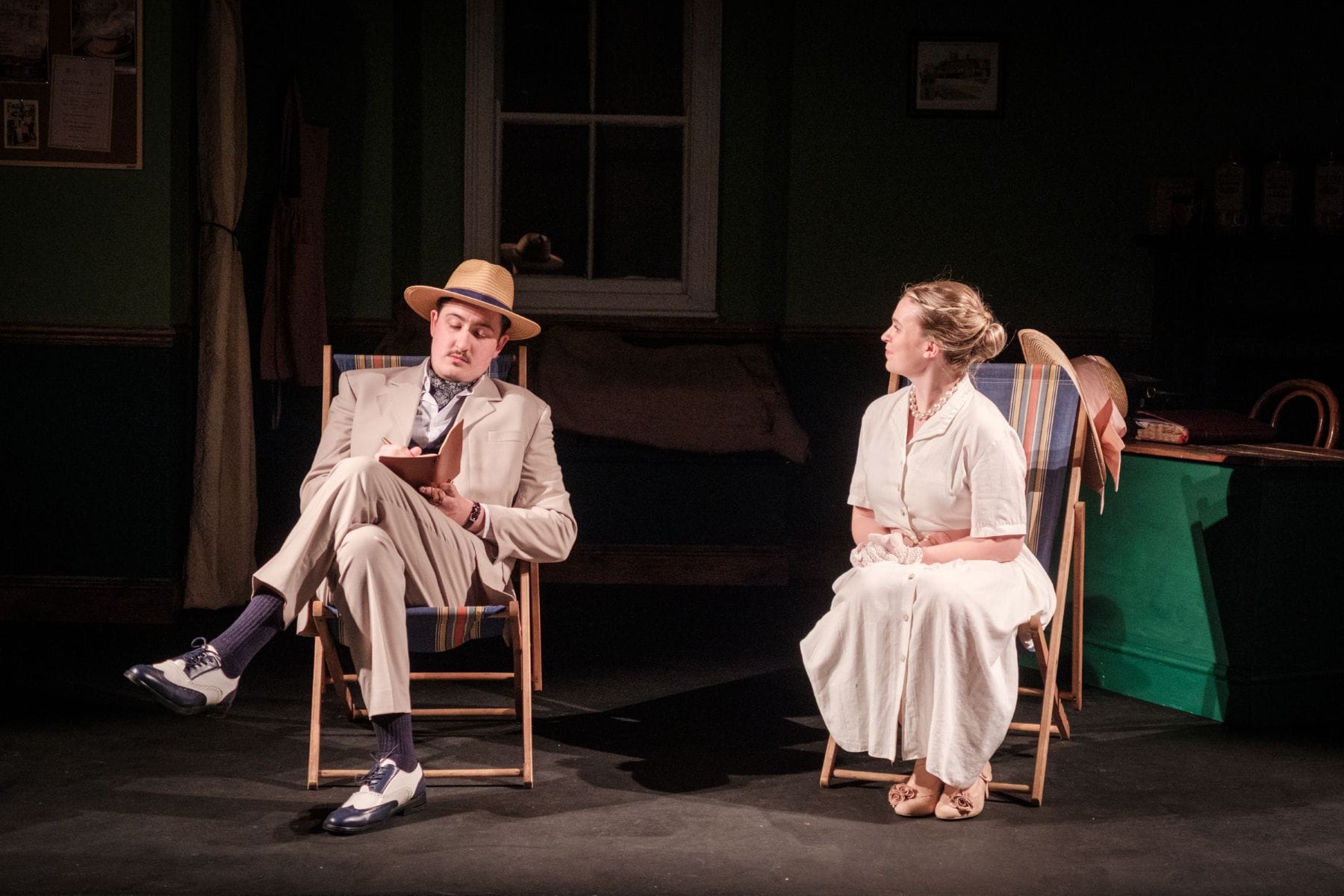
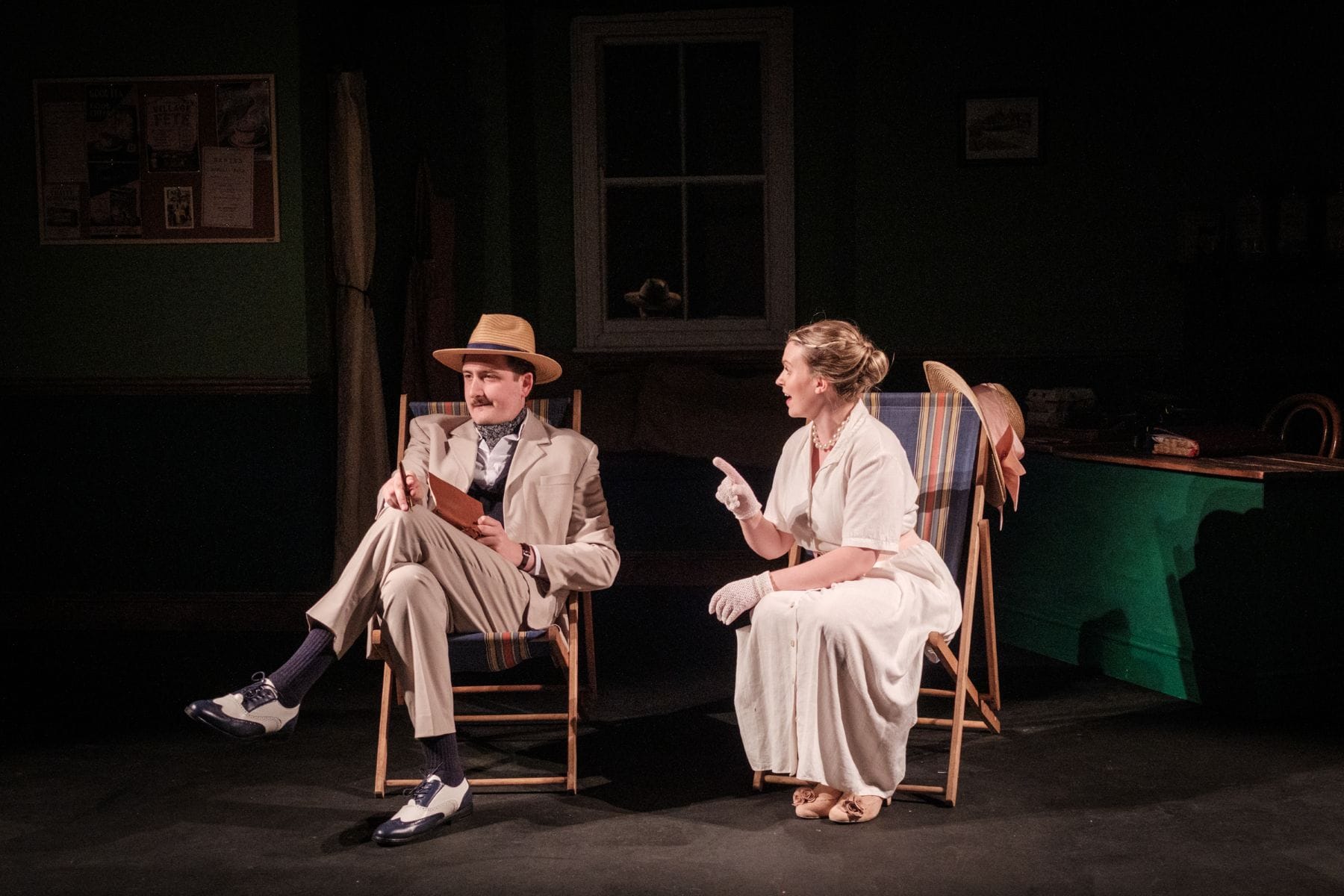
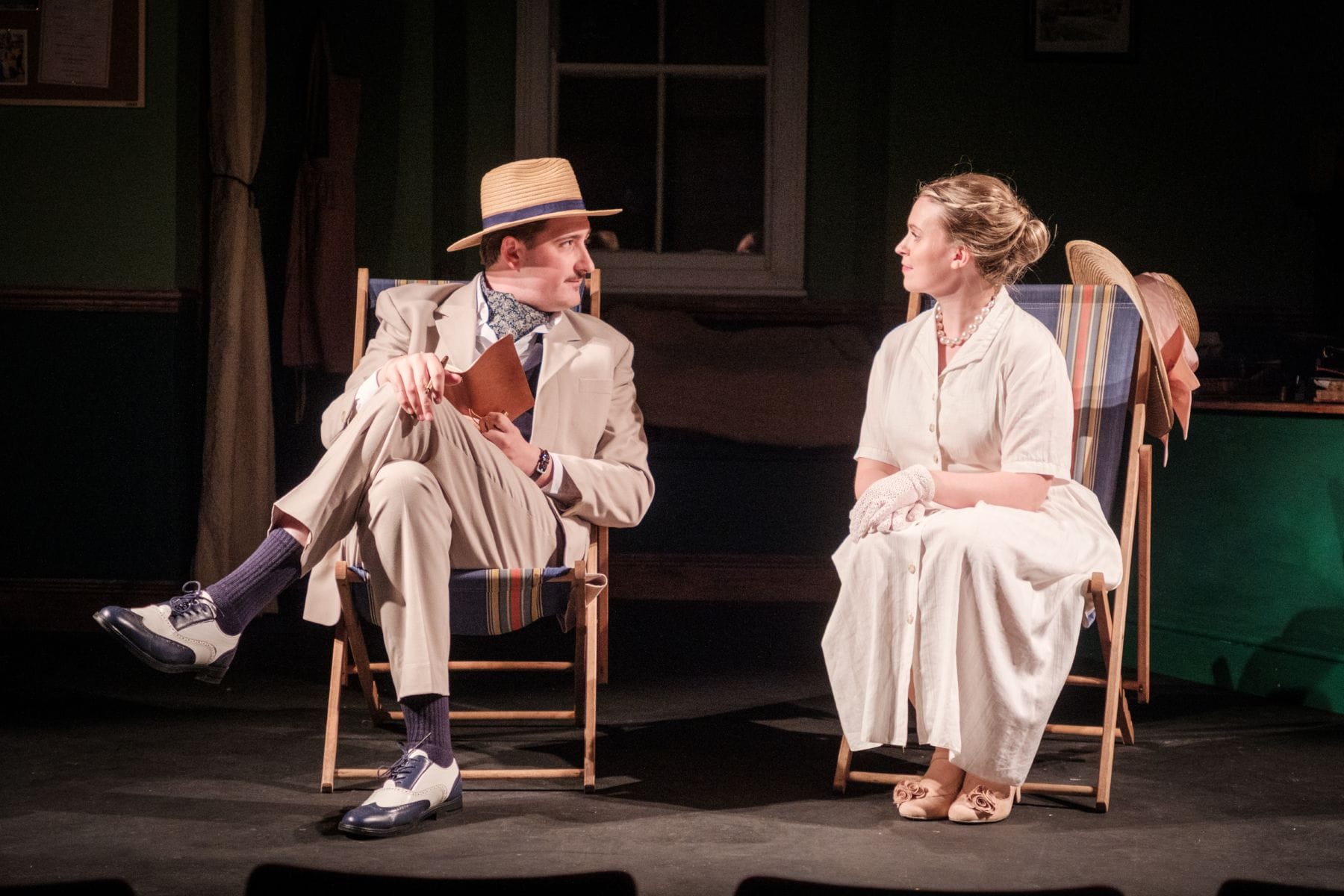
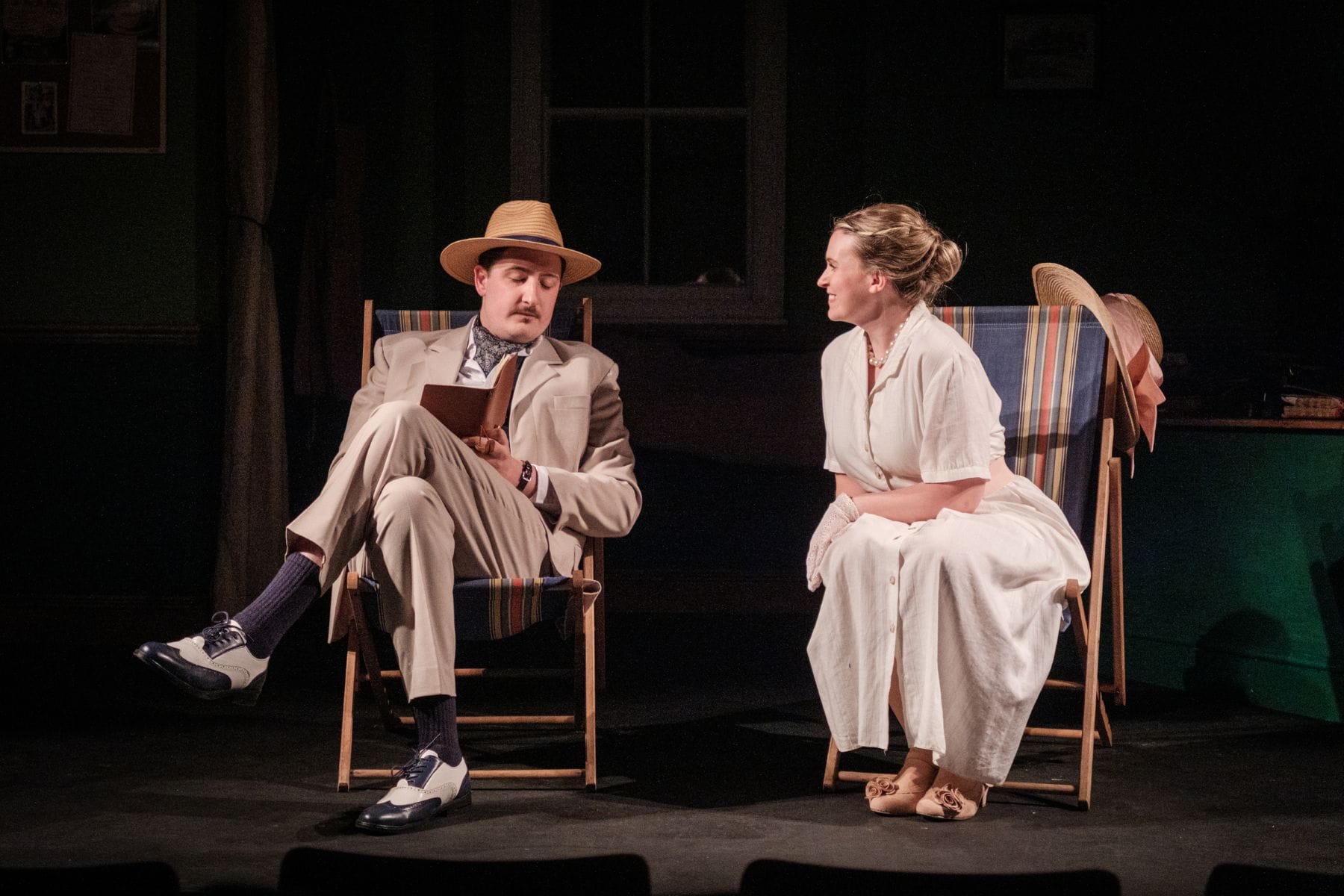
The simplicity of the set worked beautifully. Two deckchairs, accompanied by the gentle wash of the sea and distant gulls, immediately placed us on the sundeck of an ocean liner. In one chair sat Wallis, elegantly dressed, complete with co-respondent shoes, writing, until: “Excuse me, can you tell me the time?” He’s disturbed by a vision in a cream-coloured tea dress with a straw hat. Her voice is light and clear as a bell, as she proceeds to irritate and interrupt. “It is your privilege as a woman,” he says, exasperated, “to have the last word. Please take it.” But she doesn’t, and continues to cheerfully cut through his reserve.
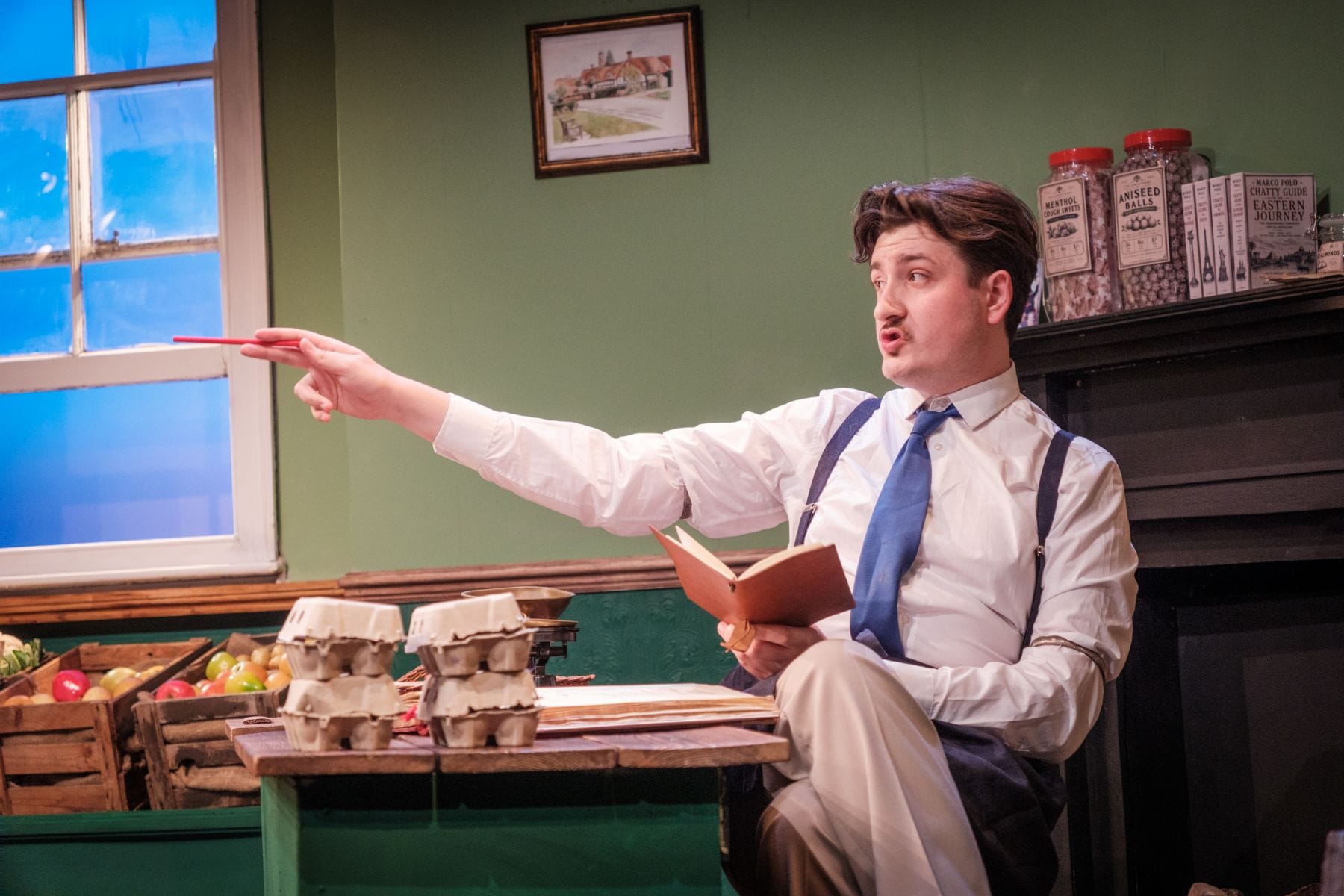
Wallis captured A’s clipped responses and growing irritation superbly: his pained politeness and intellectual defensiveness all conveyed a man desperate to preserve his solitude. When she enthuses, a bit later, about Margate and he shudders, I’m reminded of the Chas ‘n’ Dave song about the joys of a family day there instead of Corsica! Their class divide is clear: she is on the cruise after winning £5,000 in a competition, while he is earning a living writing travel guides for the Marco Polo series.
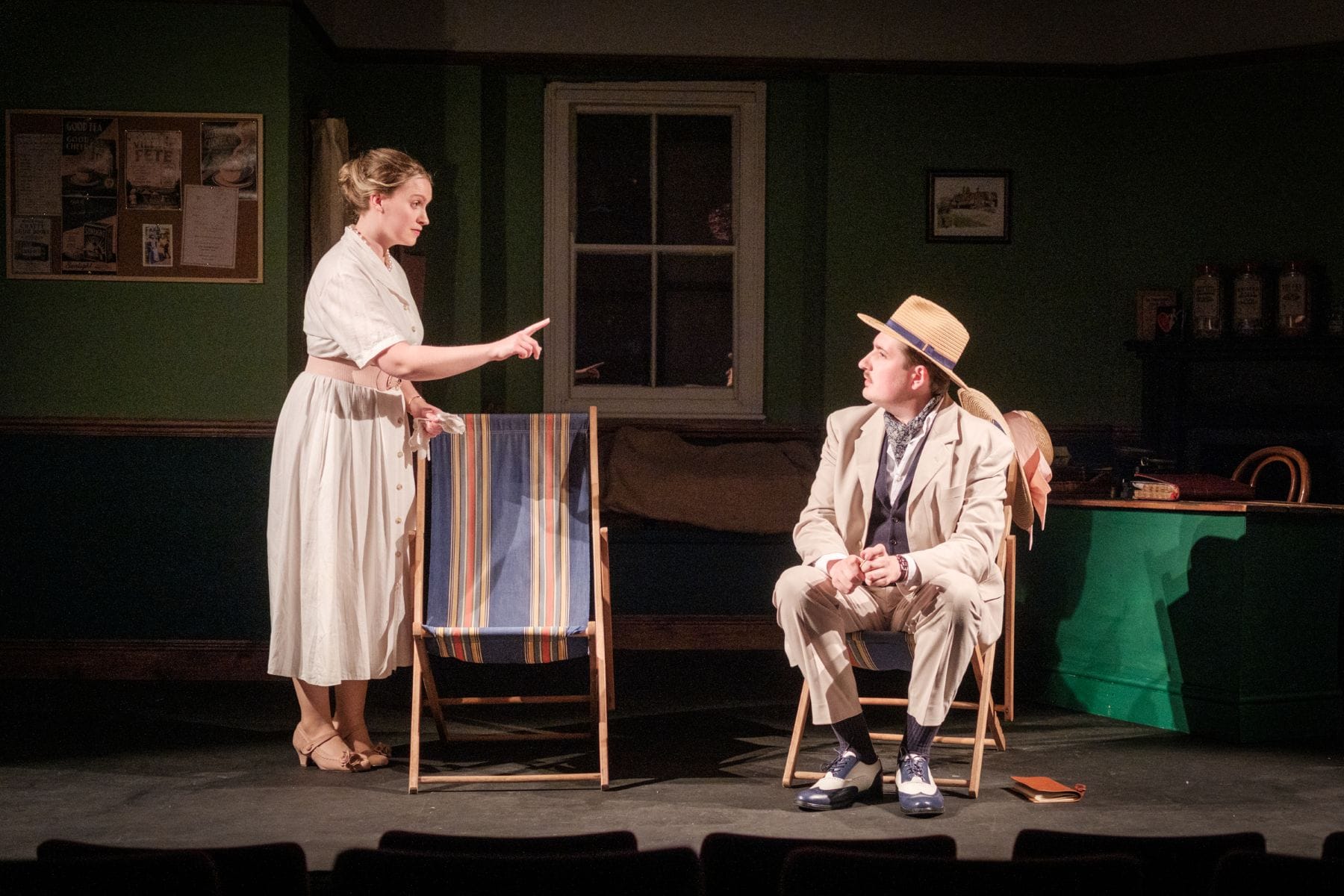
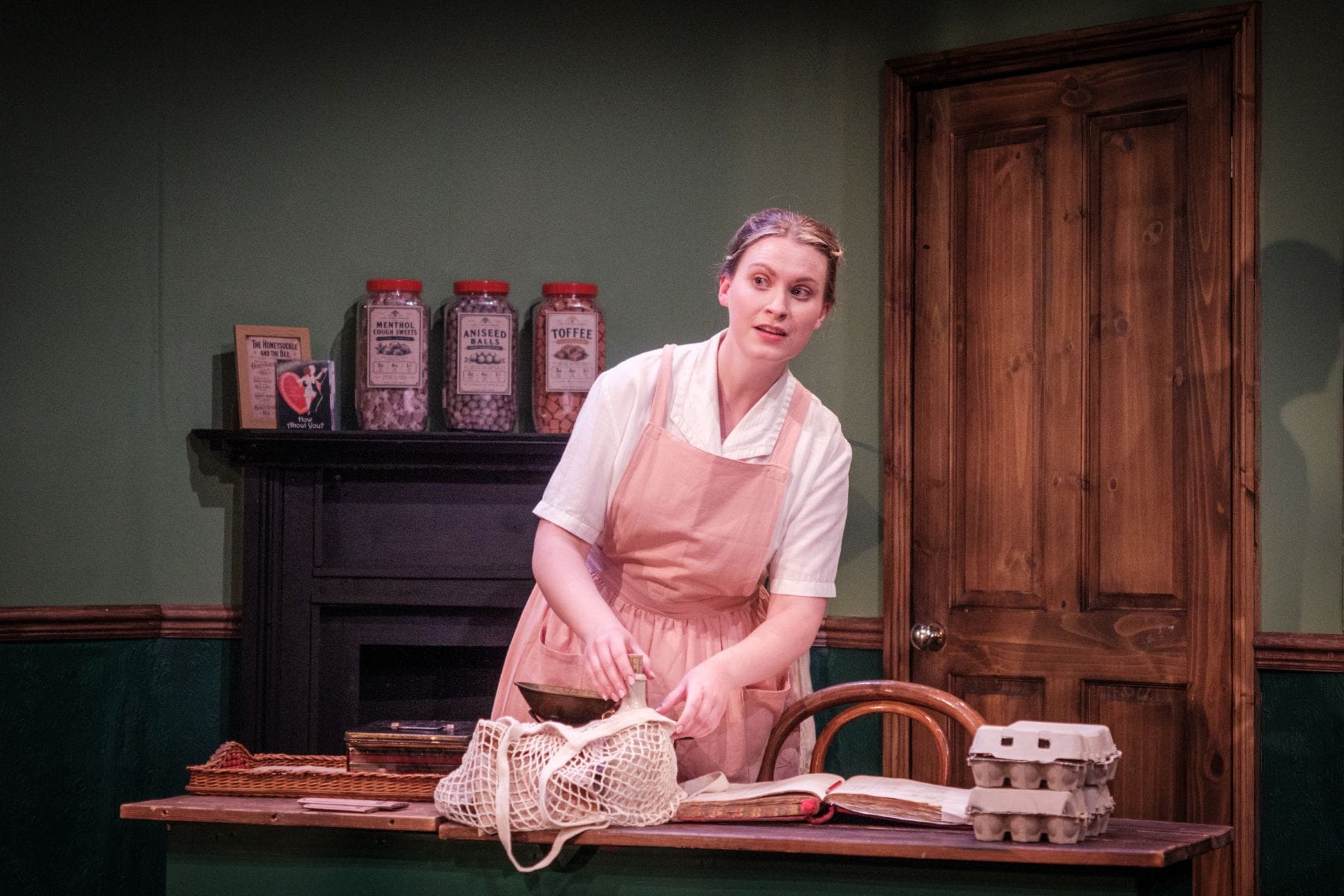
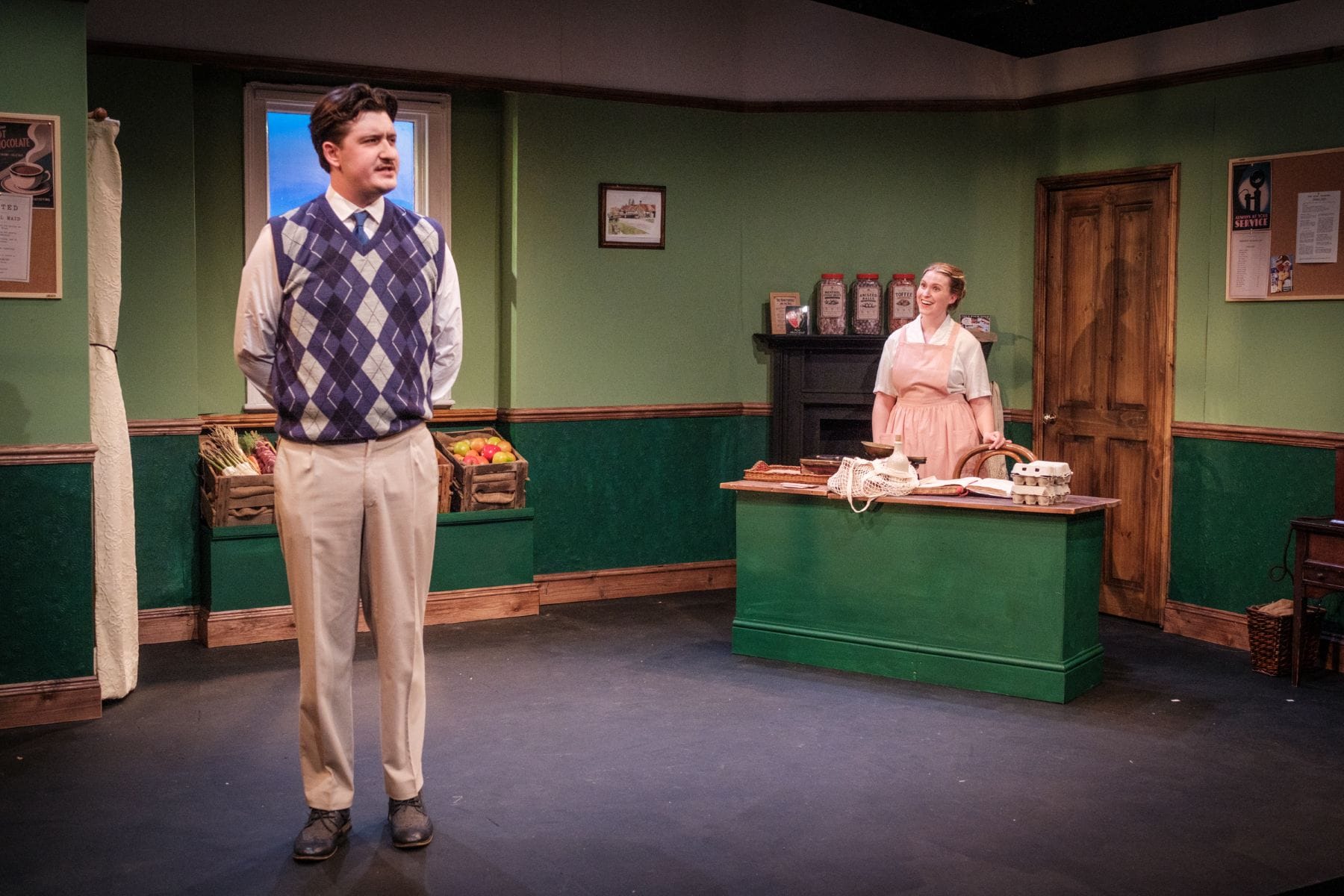
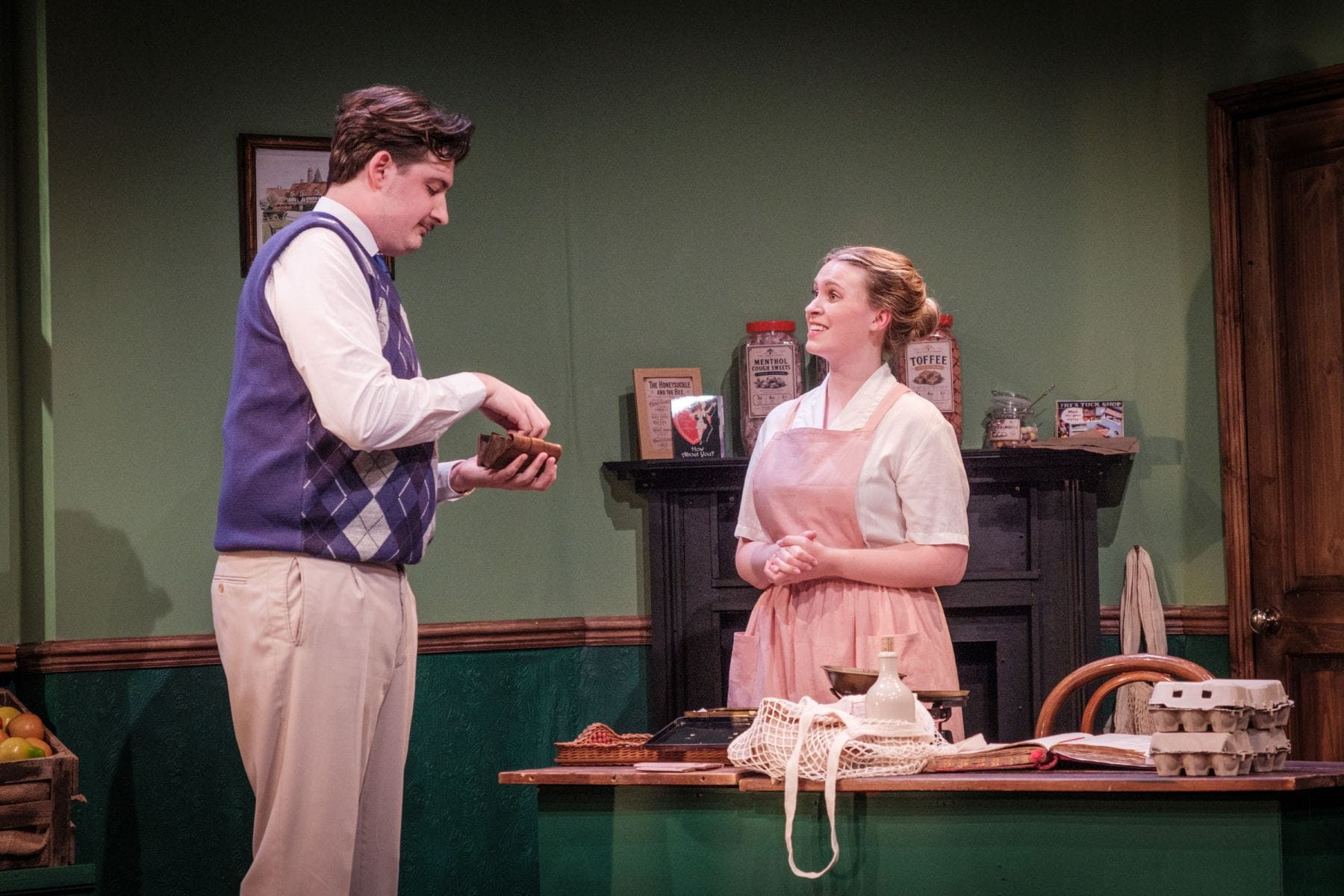
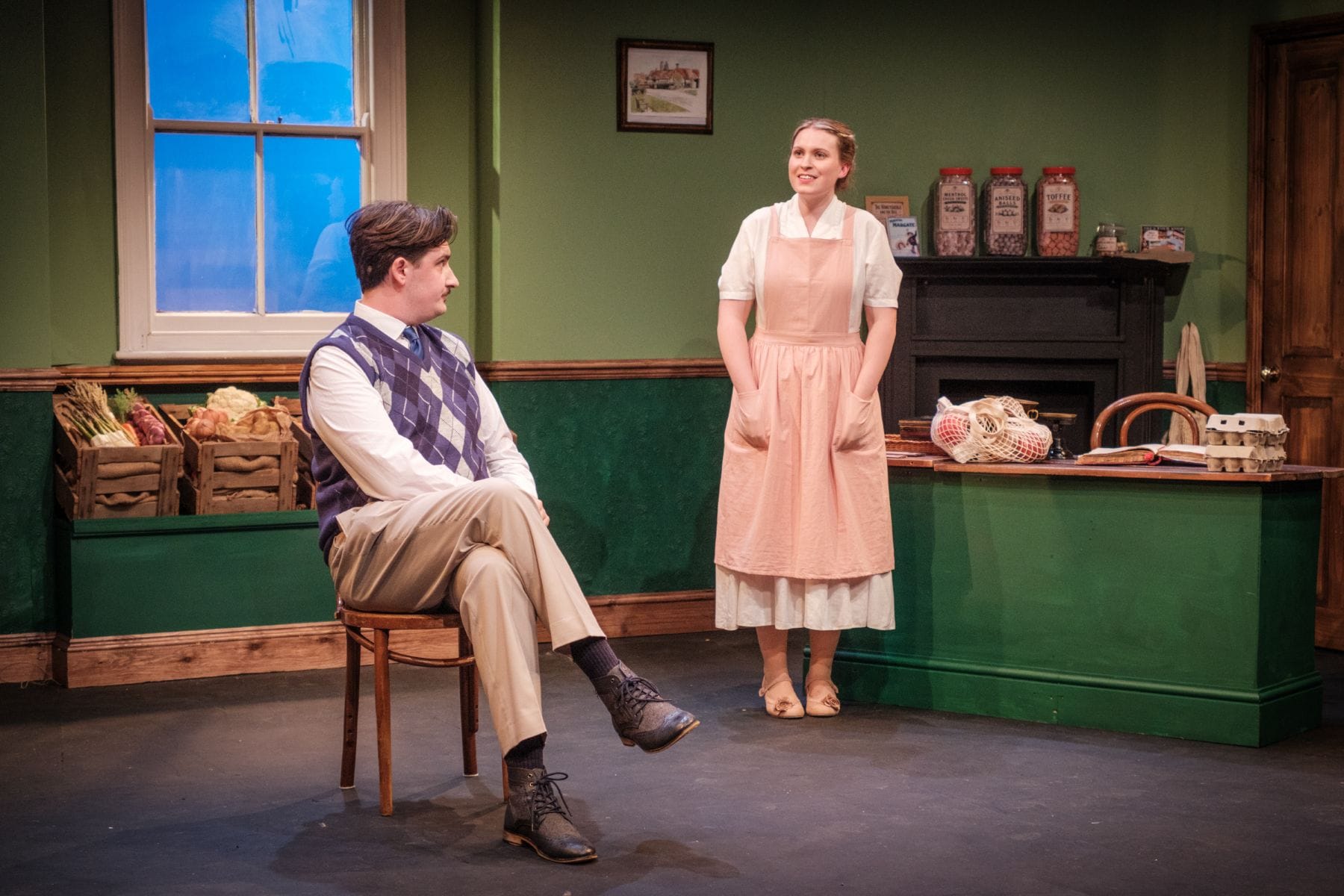
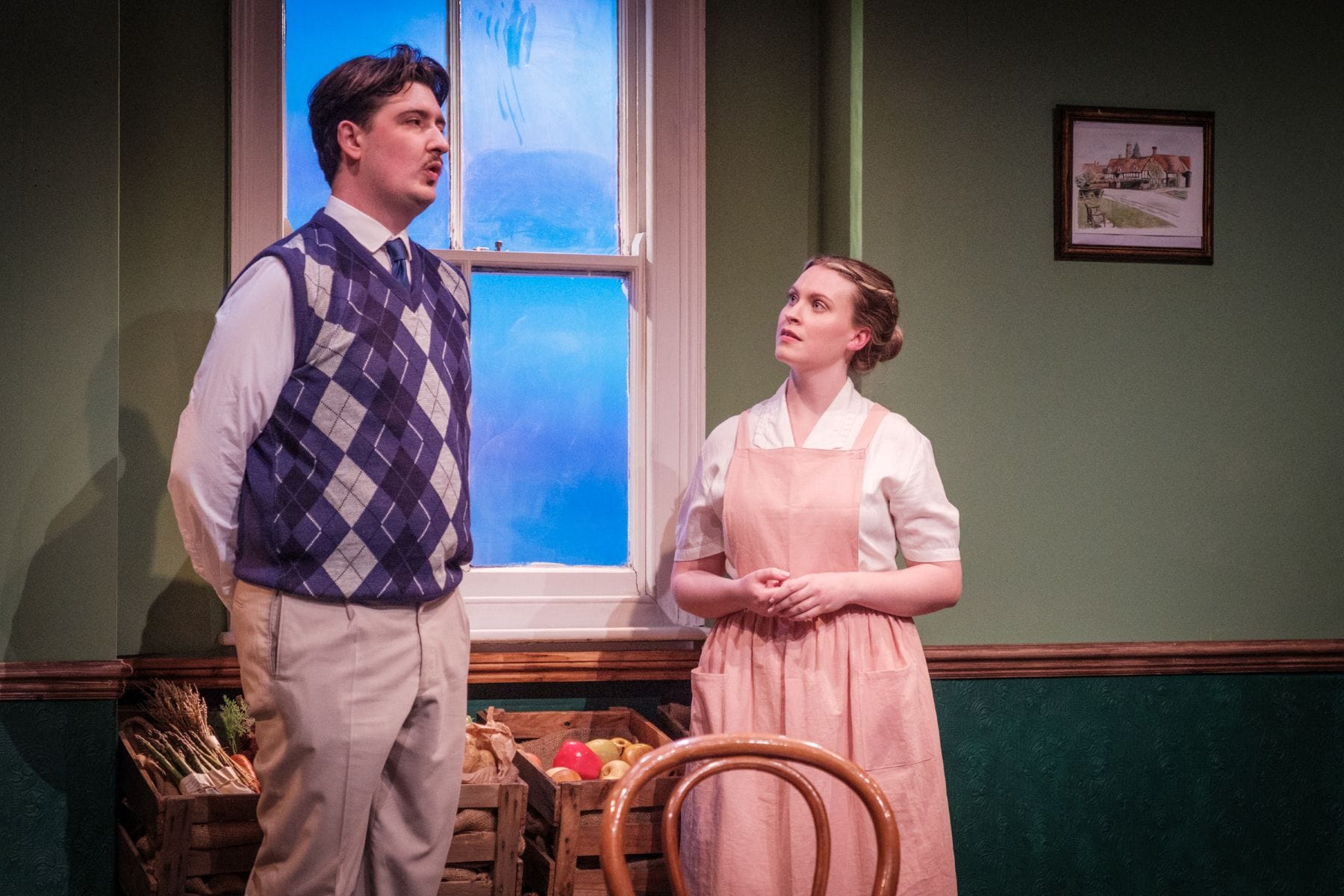
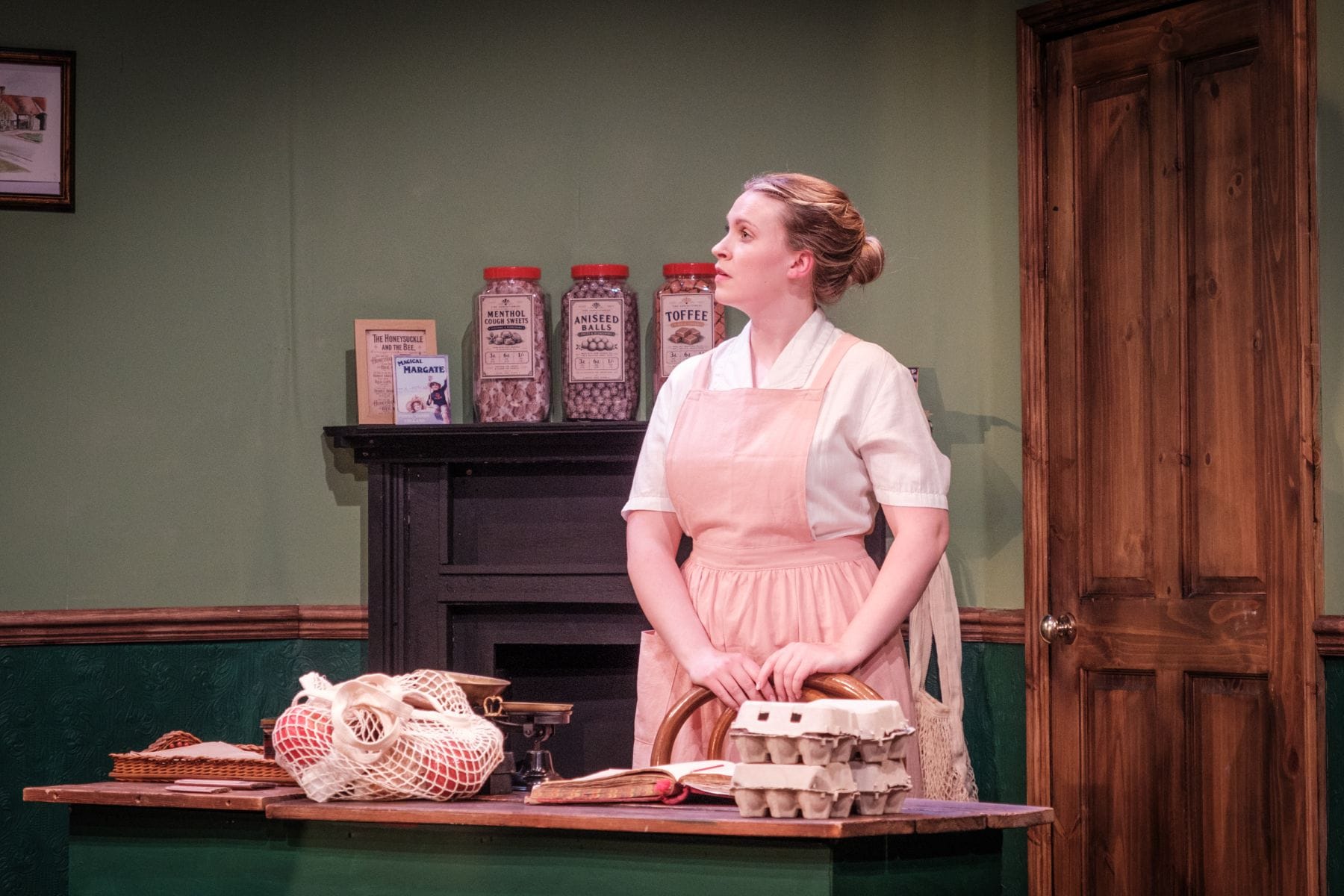
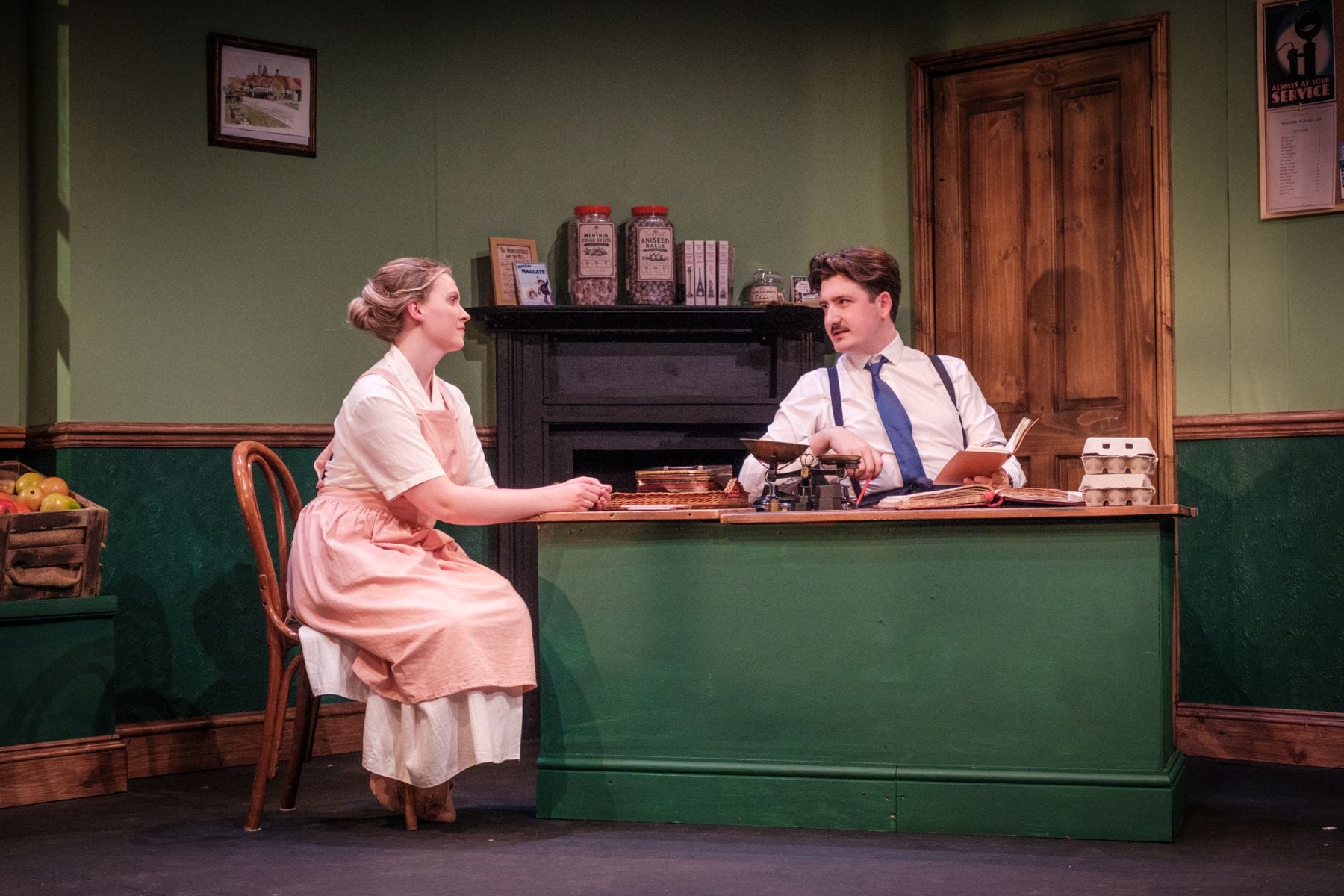
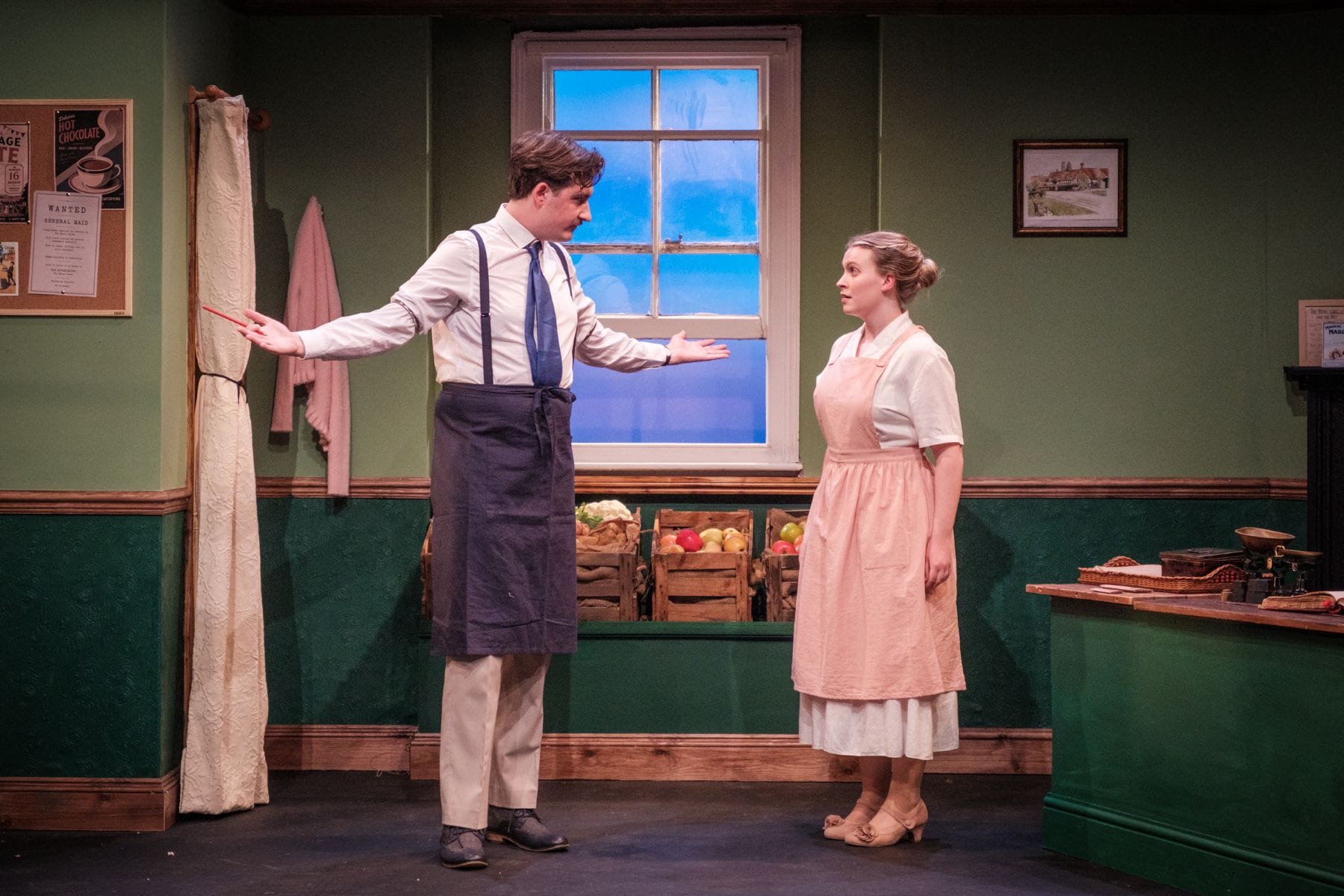
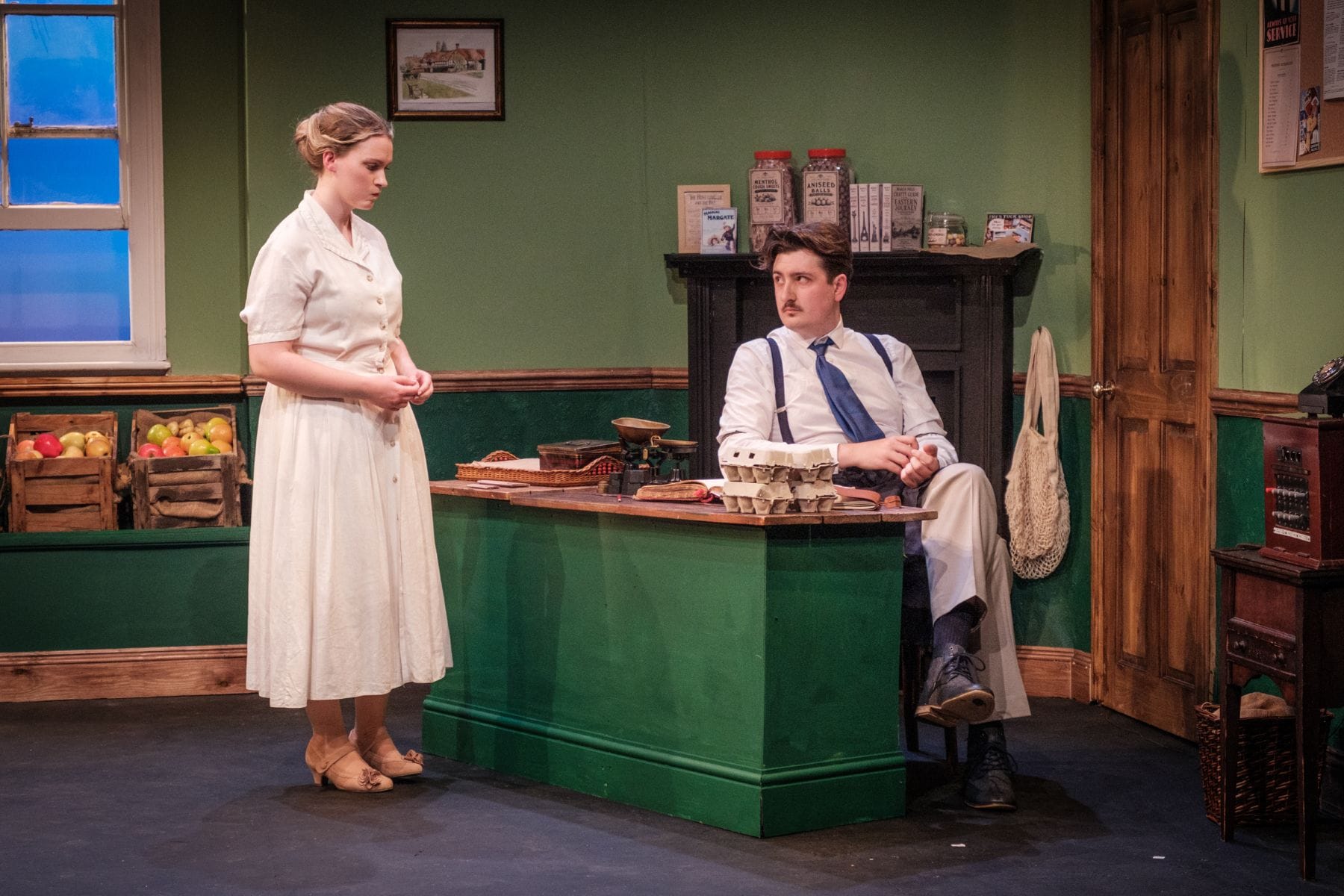
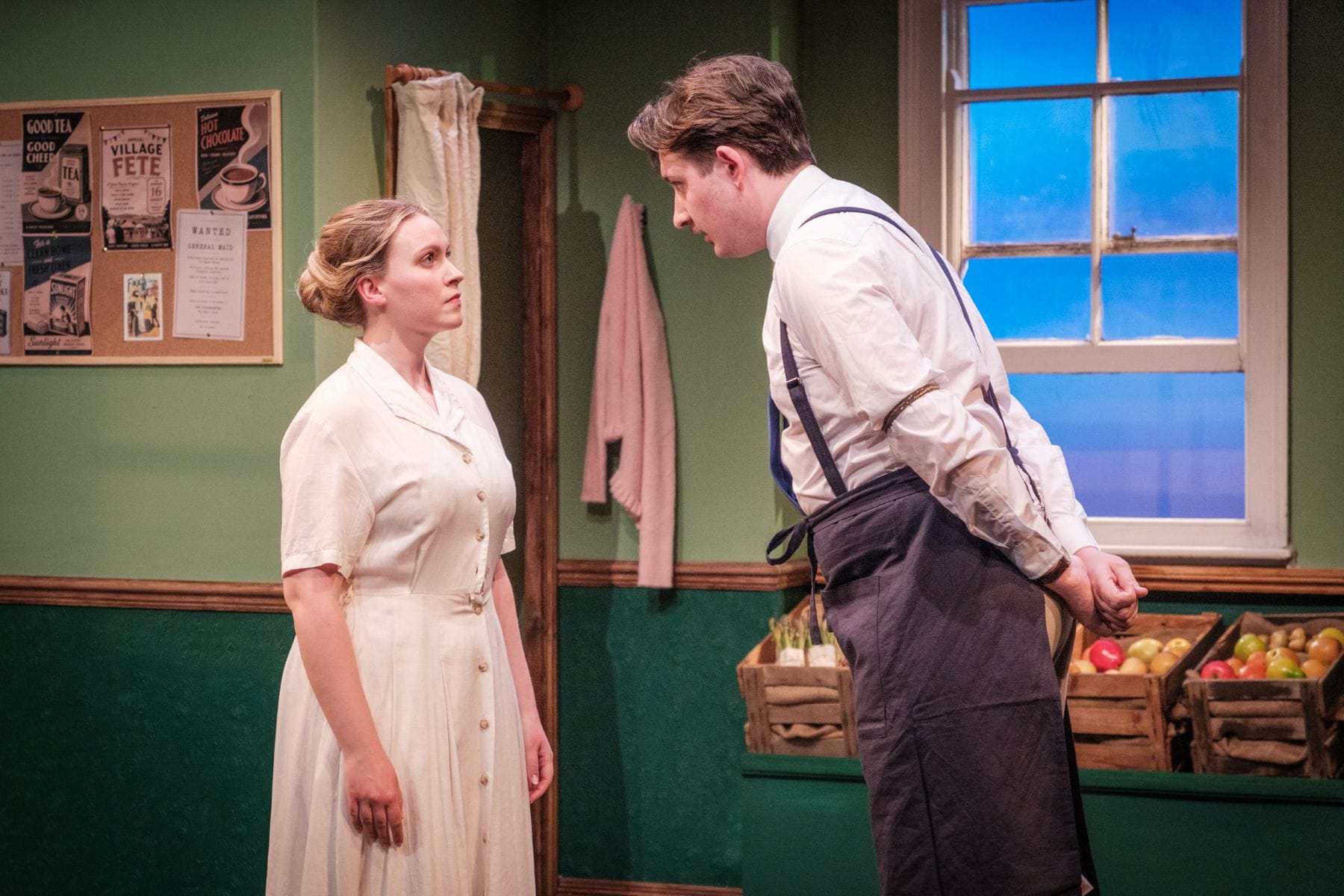
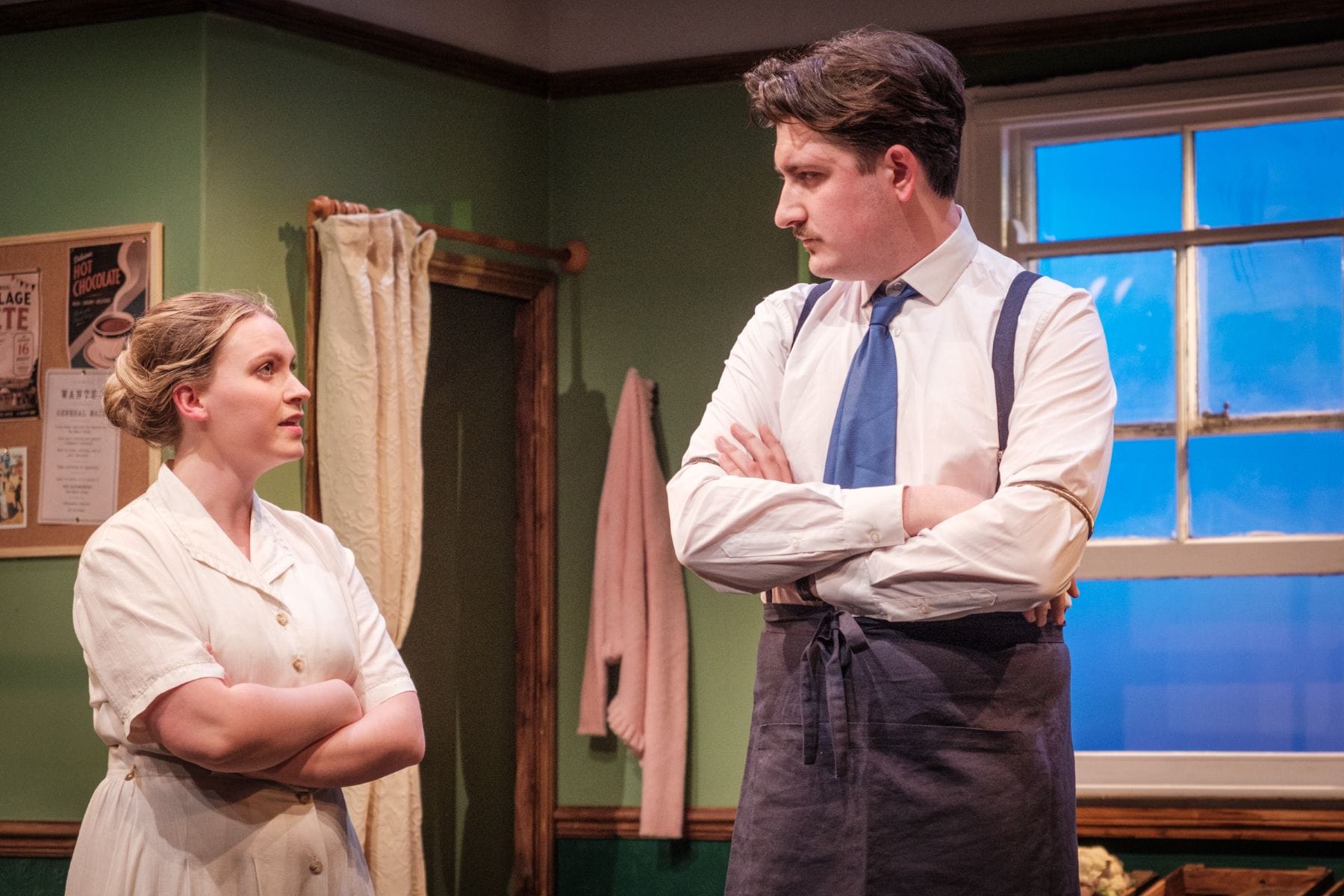
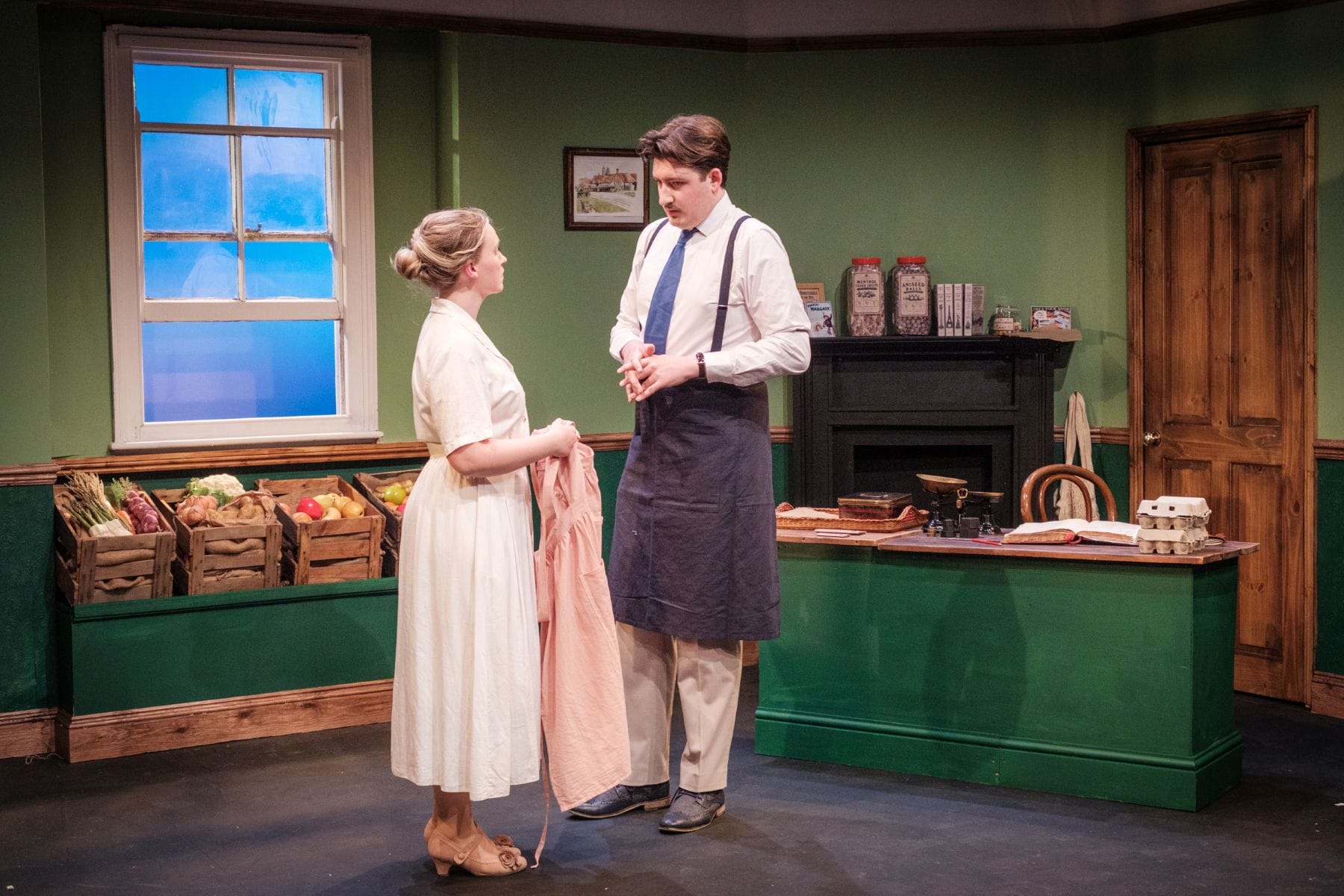
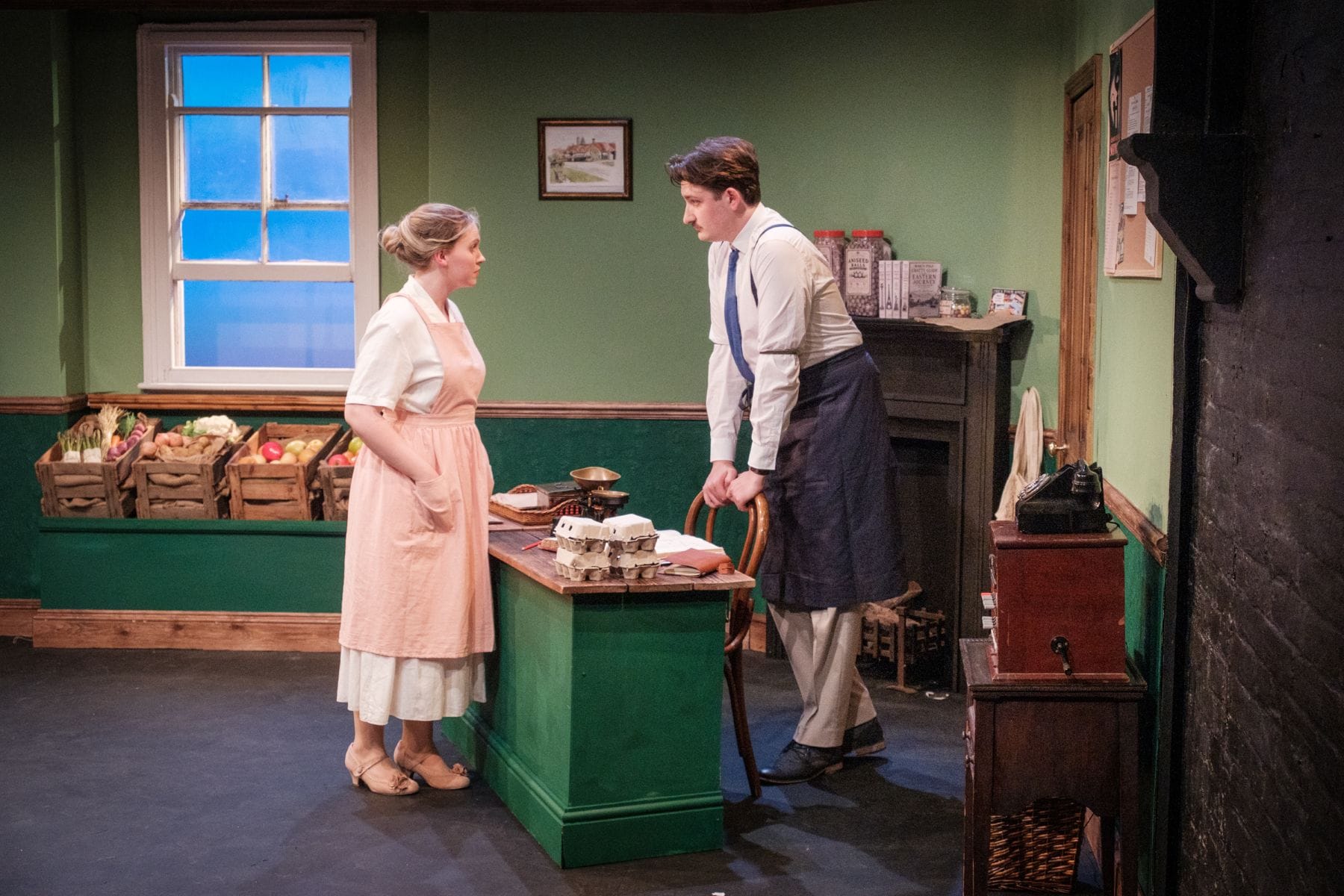
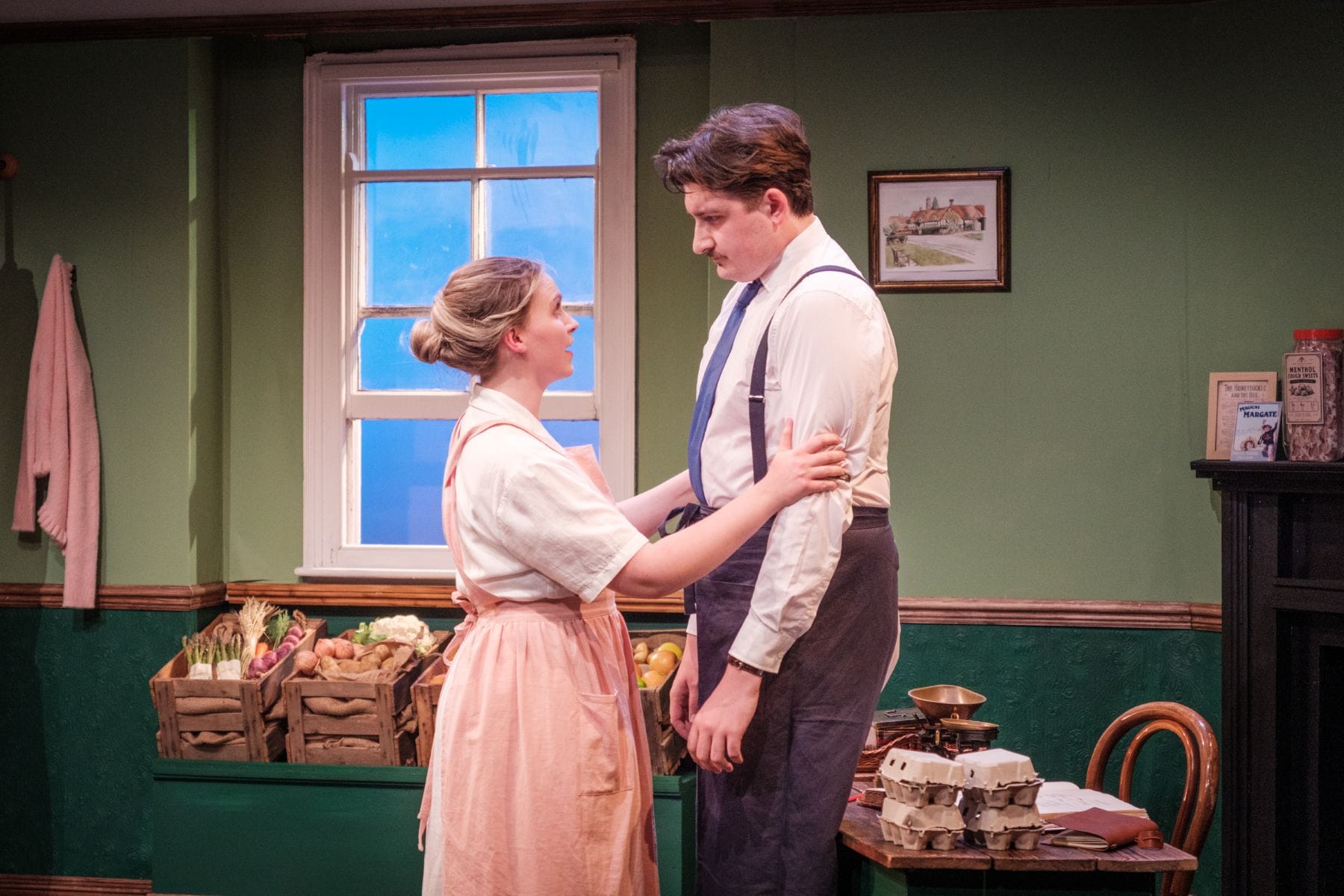
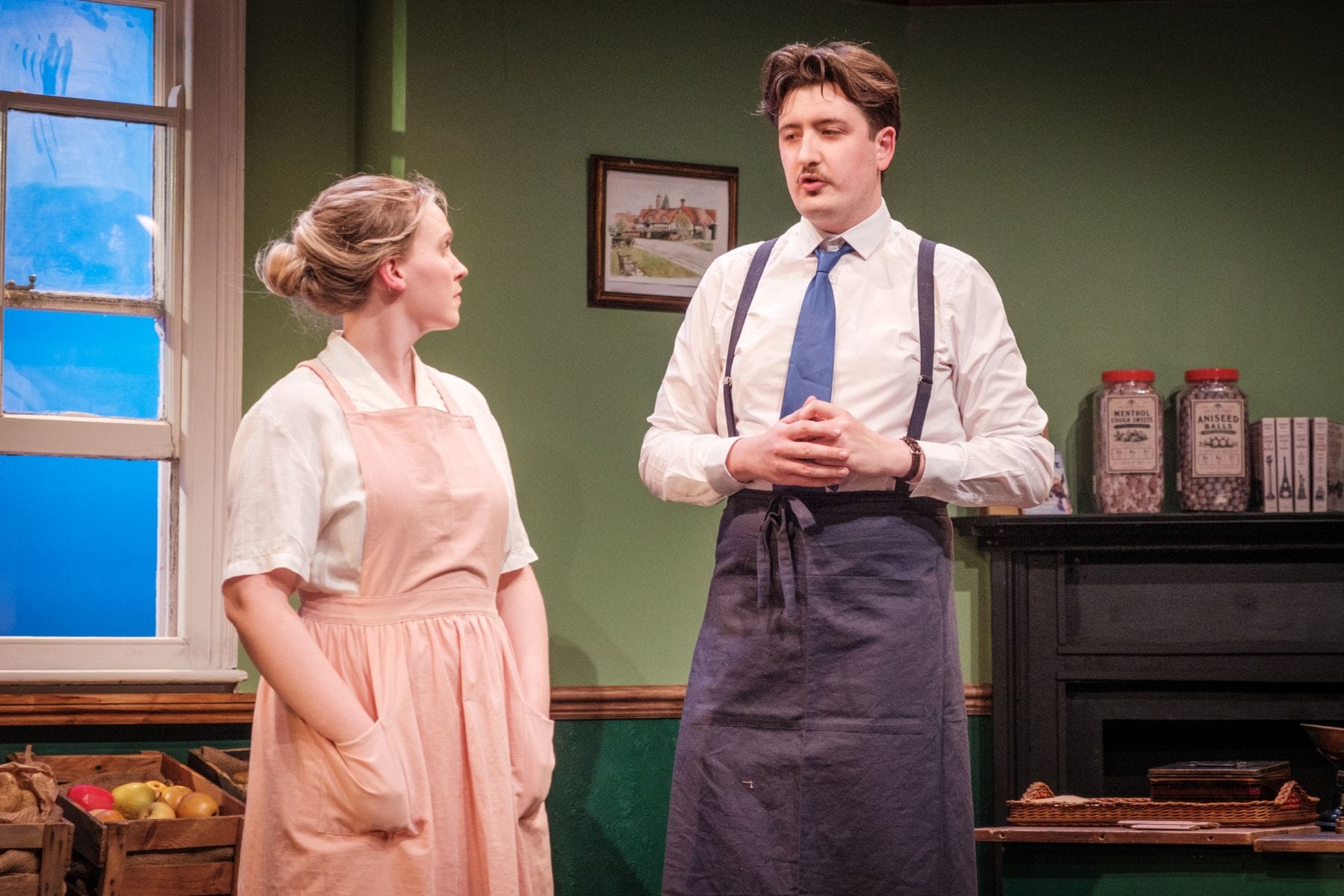
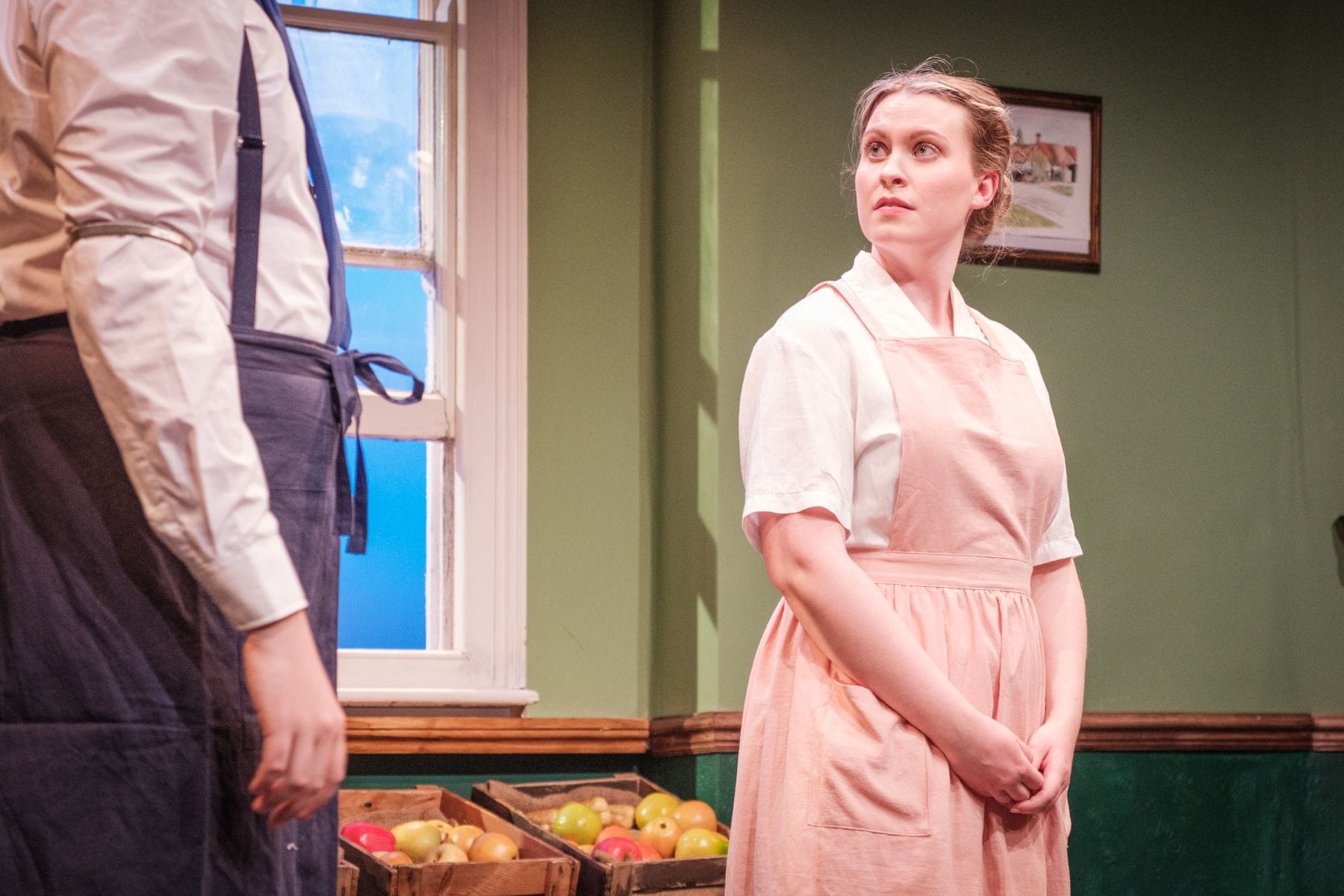
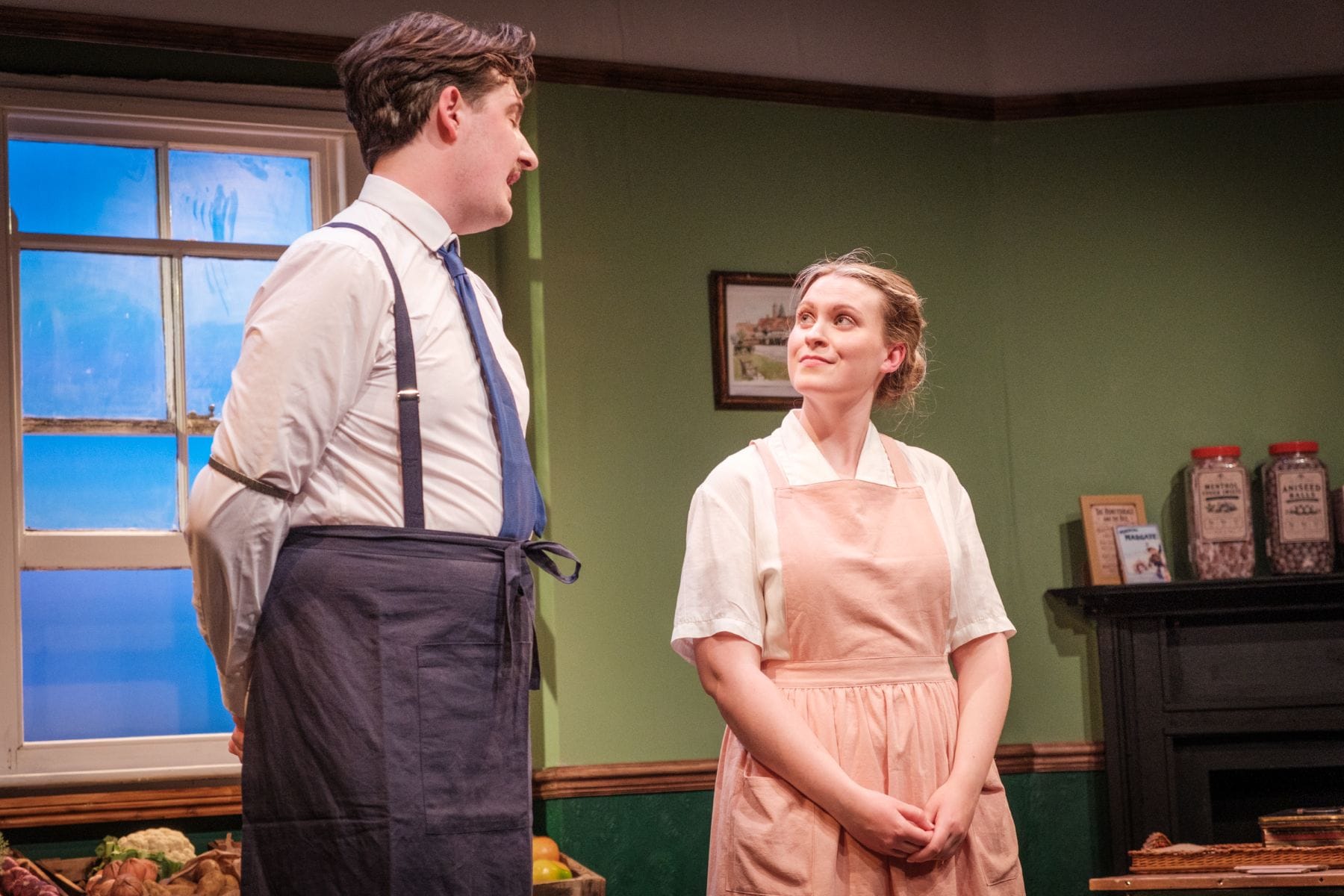
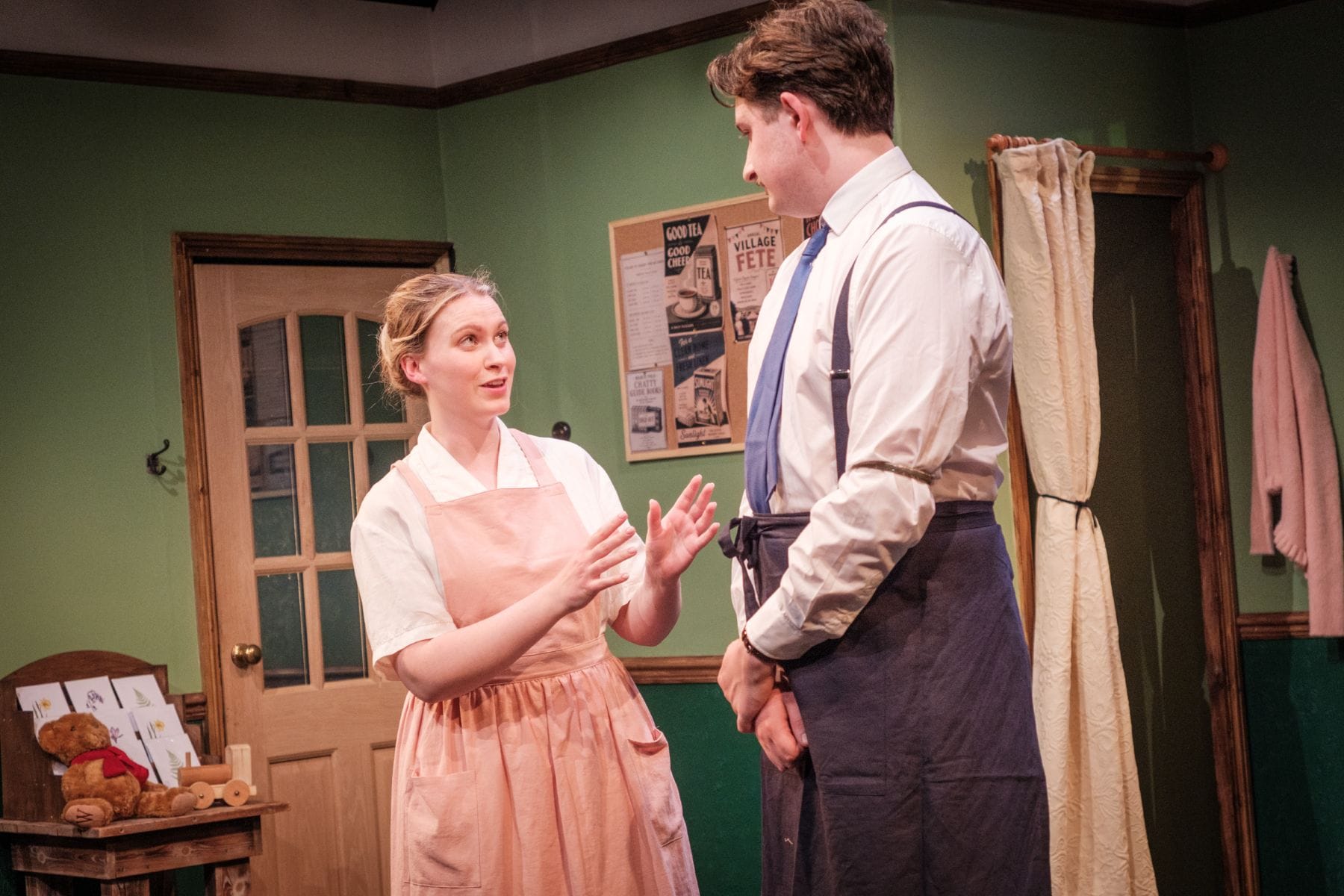
They meet again when the scene shifts seamlessly to a village shop, complete with asparagus, string bags and a telephone exchange. The transition was underscored with period music that kept the 1930s feel intact. Birdsong and distant church bells unobtrusively established the village setting. A is more inclined to listen this time, as he does his shopping, while Z’s humour and practicality wear him down, so that his responses gradually soften. Levett’s nimble handling of the shopkeeper’s rapid mental arithmetic was impressive, and her occasional telephone-exchange voice was delightfully reminiscent of Eliza Dolittle.
Their conversations felt utterly natural. She argues for sensual pleasure and practical companionship; he clings to abstraction and transcendence. Yet gradually, Shaw allows us to see that companionship is forged not through grand romantic gestures, but through the simple persistence of talking, listening and staying. The closing sequence, with the pair now working together in the shop and edging quietly towards marriage, was deeply satisfying.
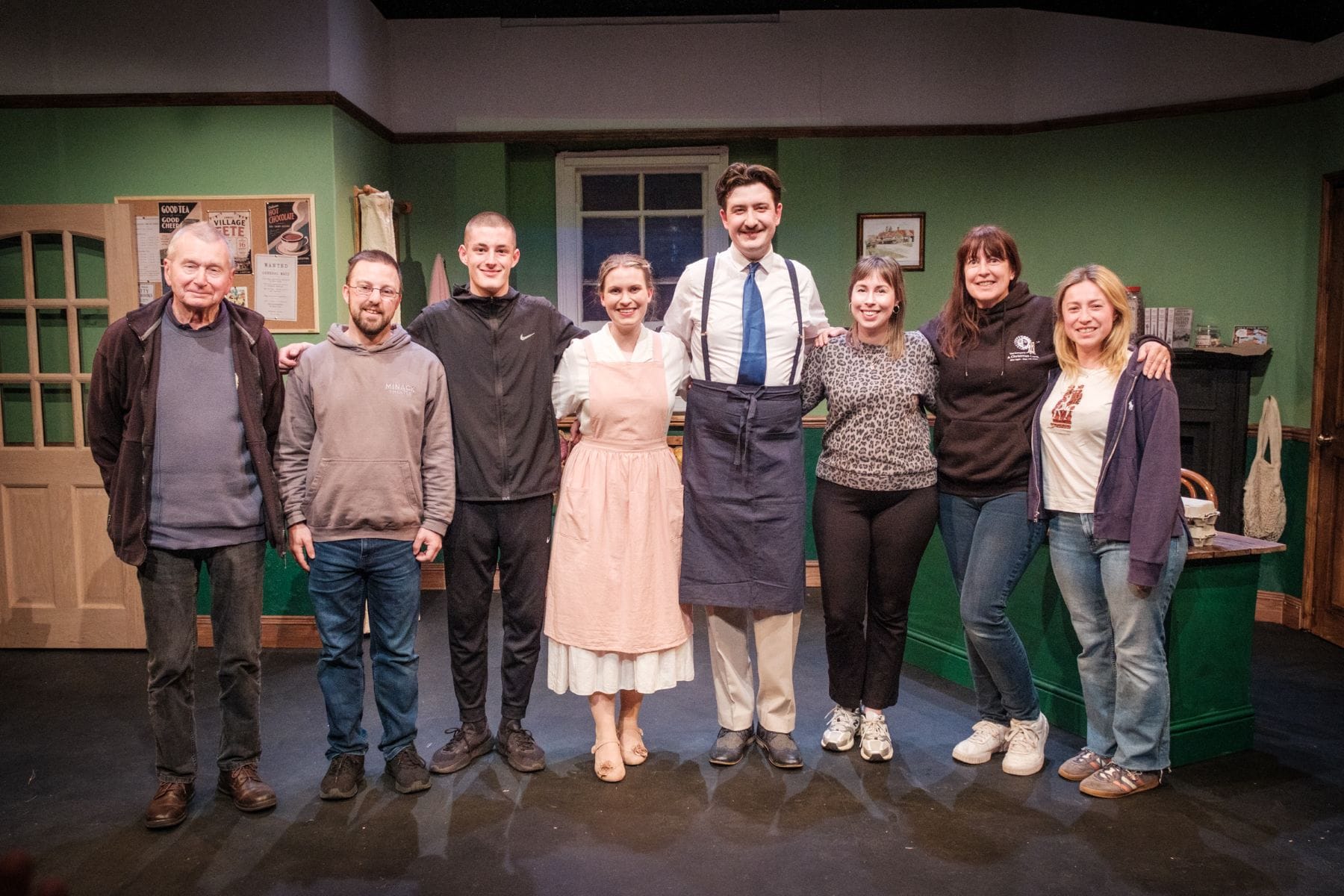
Sound by Tristan Cameron, on his first CoPs production, was spot on. A word, too, for props. When I checked the programme, I saw that the directors were also the props department. That double duty shows in the care taken with the details: nothing felt random, everything on stage had a purpose! The delightful wardrobe choices fitted the characters, in every sense, and lighting anchored the mood – so subtle it almost went unnoticed.
Village Wooing is the CoPs entry to the Welwyn Drama Festival, which is running as I write this, and will be over by the time you read it. It deserves to do well. A thoughtful production by two new directors whose interpretation of the text, I felt, revealed Shaw’s progressive feminist critiques. Congratulations to Hannah and Becky on a completely charming production – I hope they go on to do more.