In his programme notes, director Jonathon Wallis stated that he kept coming back to the same question: why tell this story now? Well, I for one am very pleased that he was able to answer that question, as this performance of Nick Hern’s 2021 adaptation of George Orwell’s original book was an, albeit unnerving, treat from start to finish.
77 years after its original publication in 1949, and indeed 42 years after it was set, Orwell’s source material still resonates today. In a world of social media and extreme politics rearing their ugly head on either side of the Atlantic, we are increasingly being asked to ‘reject the evidence of our eyes and ears’ on an almost daily basis!
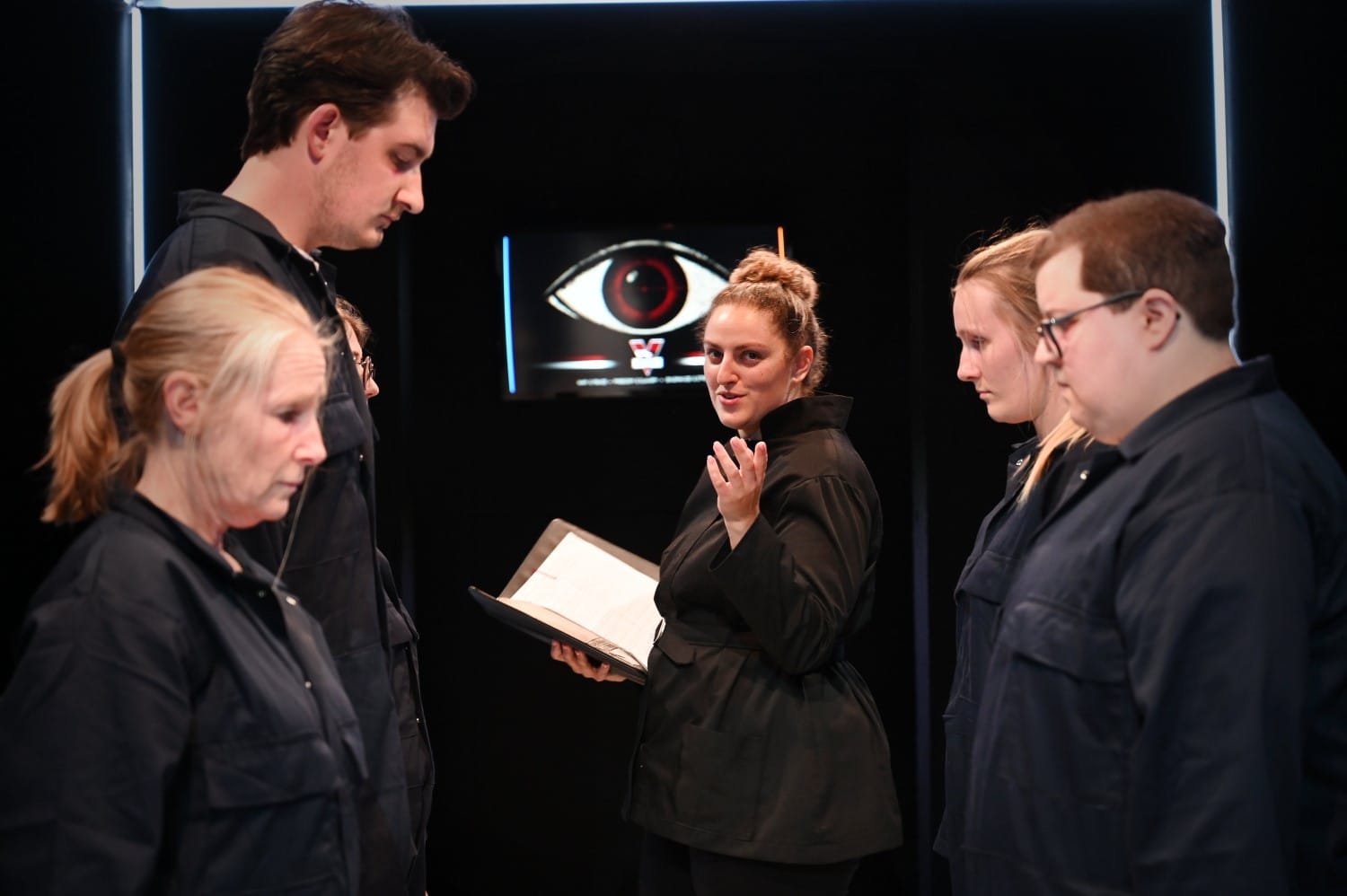
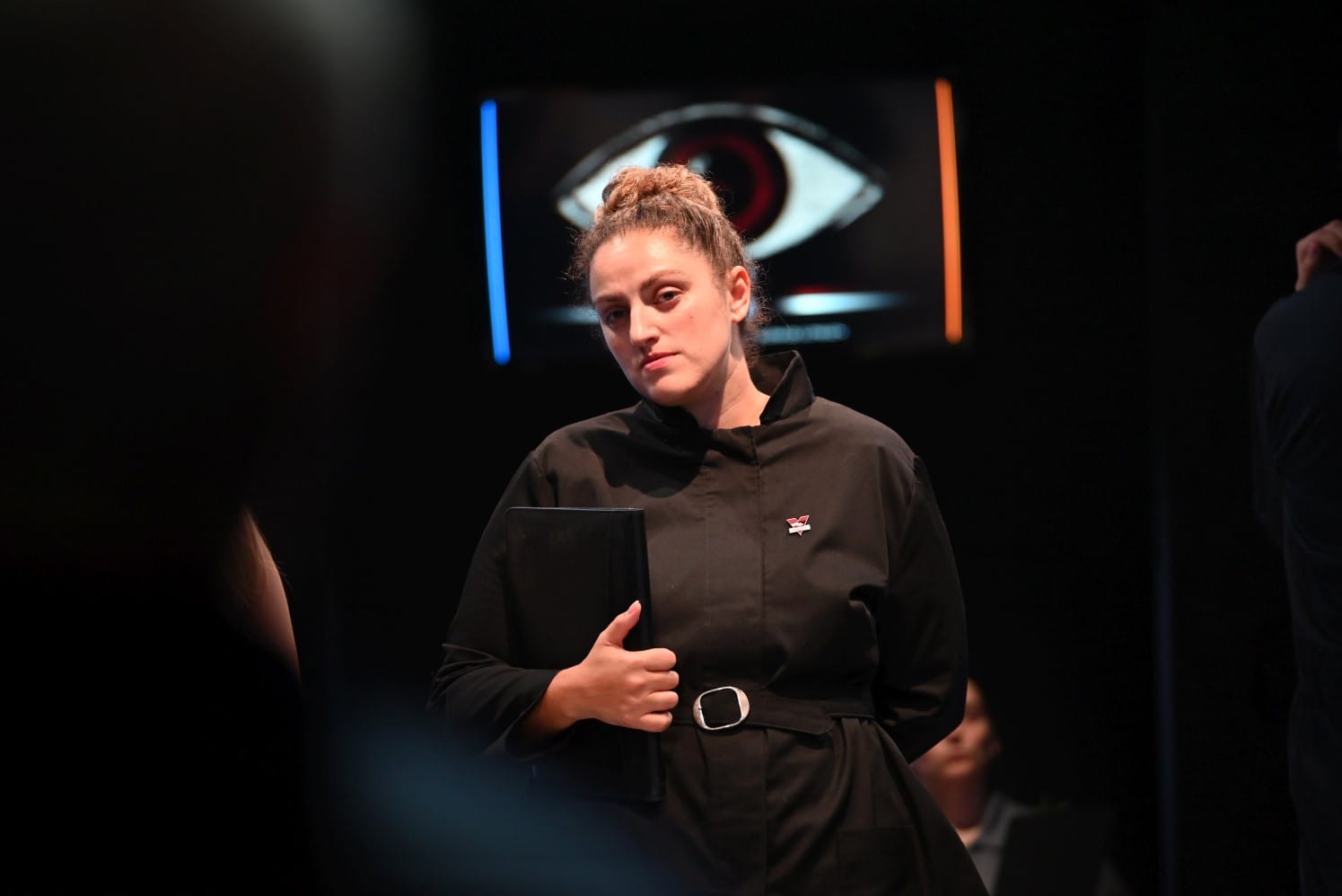
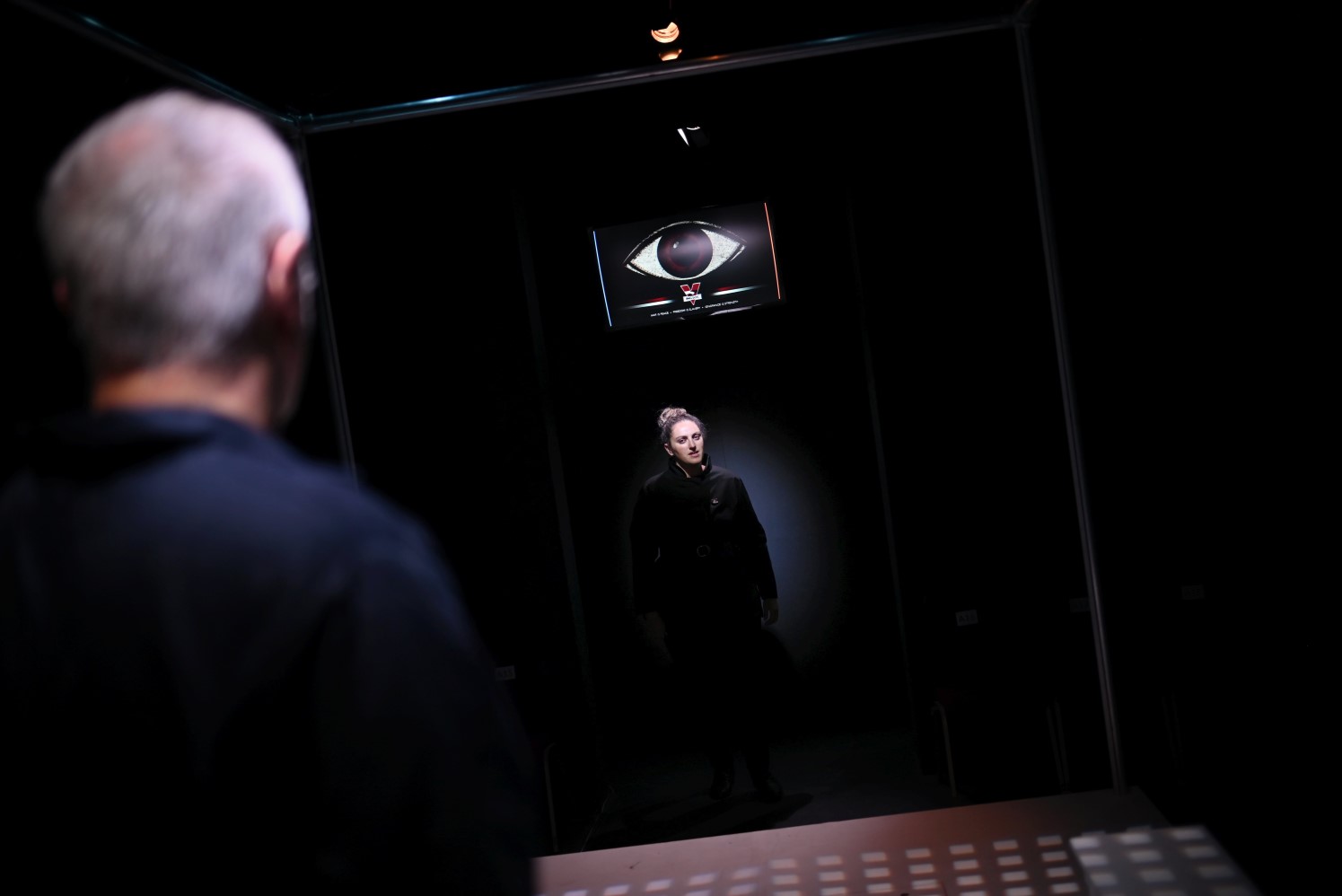
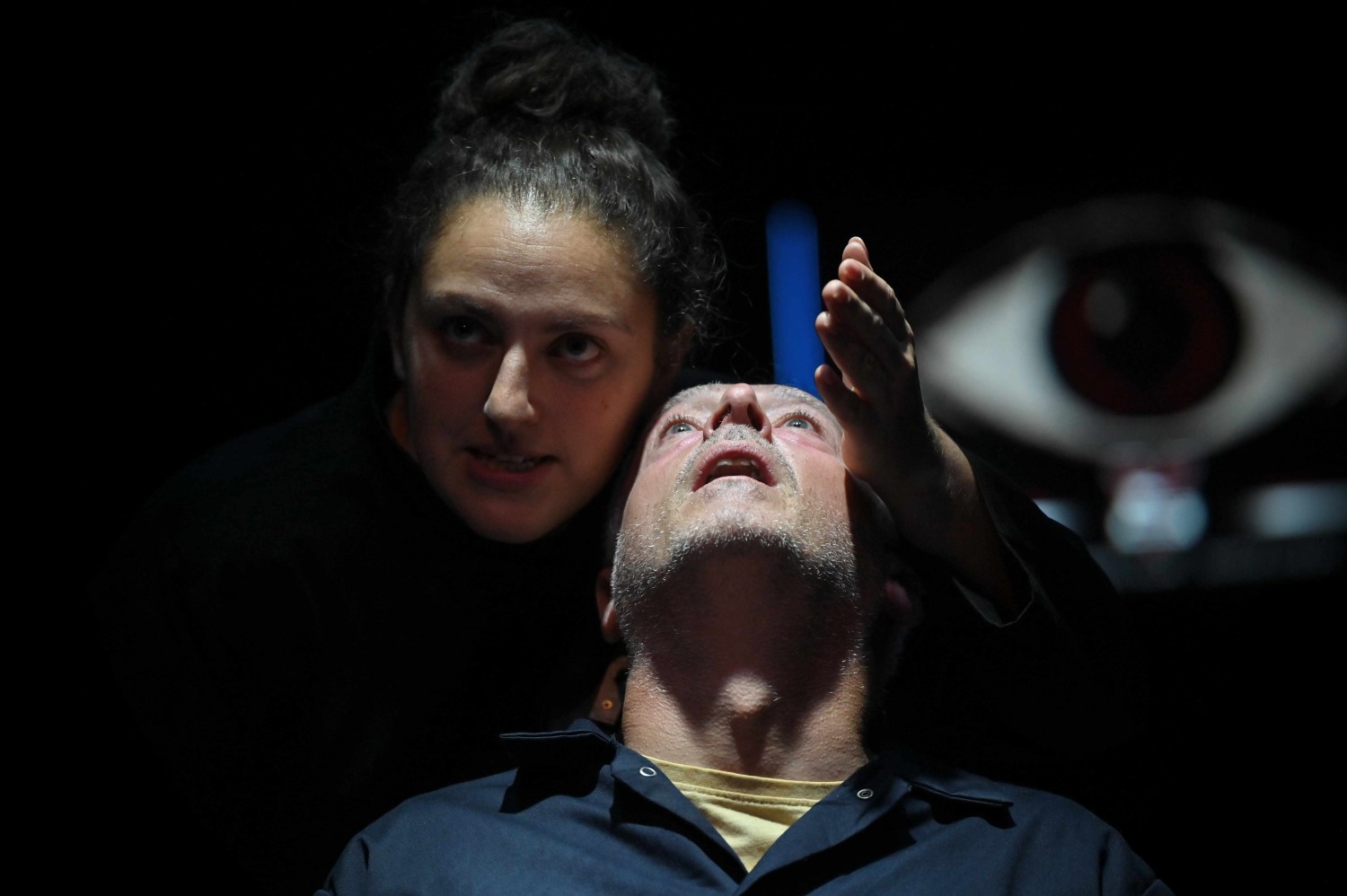
The ongoing improvements being made to the Little Theatre, and the subsequent ‘in progress’ bare plaster walls, provided the perfect dystopian backdrop as the audience were ushered into the ‘Ministry of Love’. A pre-show assault of propaganda messages from Big Brother himself and his incredibly stern female counterpart (voiced superbly by Mark Hauman and Jan Palmer Sayer) set the tone for what was to come. Clever use of TV screens at either end of the auditorium enhanced the messages of “War is peace. Freedom is slavery. Ignorance is strength.” One got the impression that Big Brother was, truly, watching us!
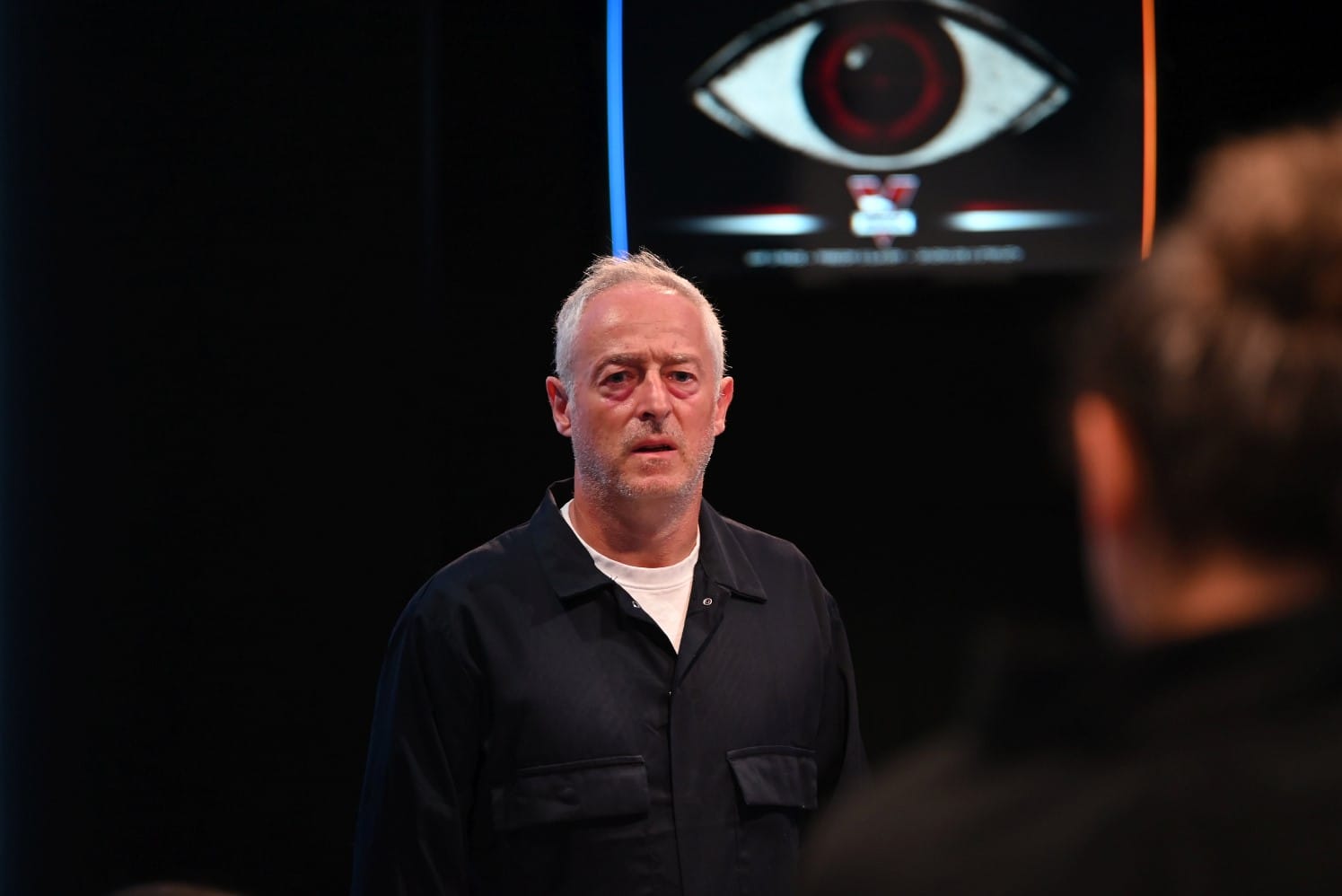
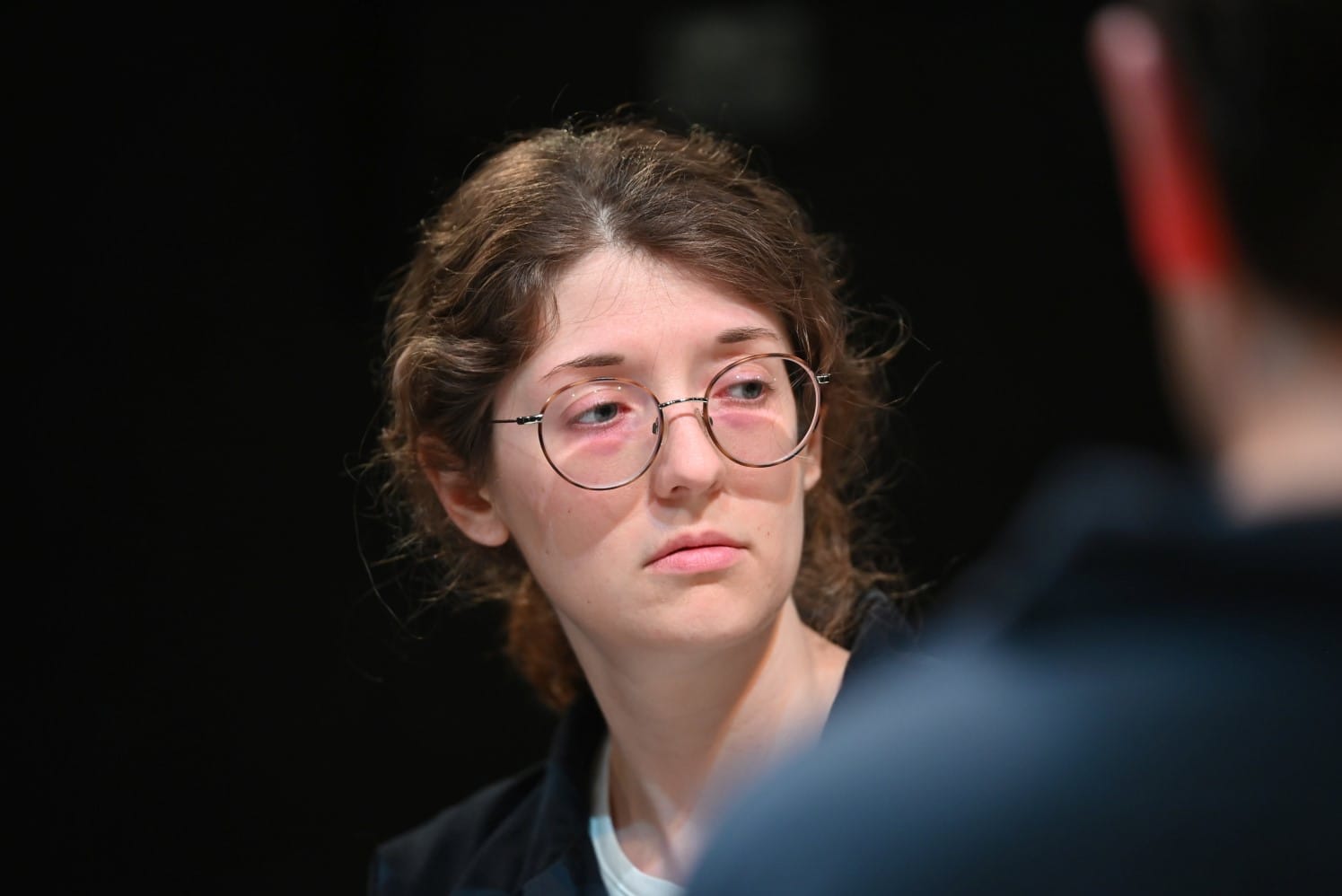
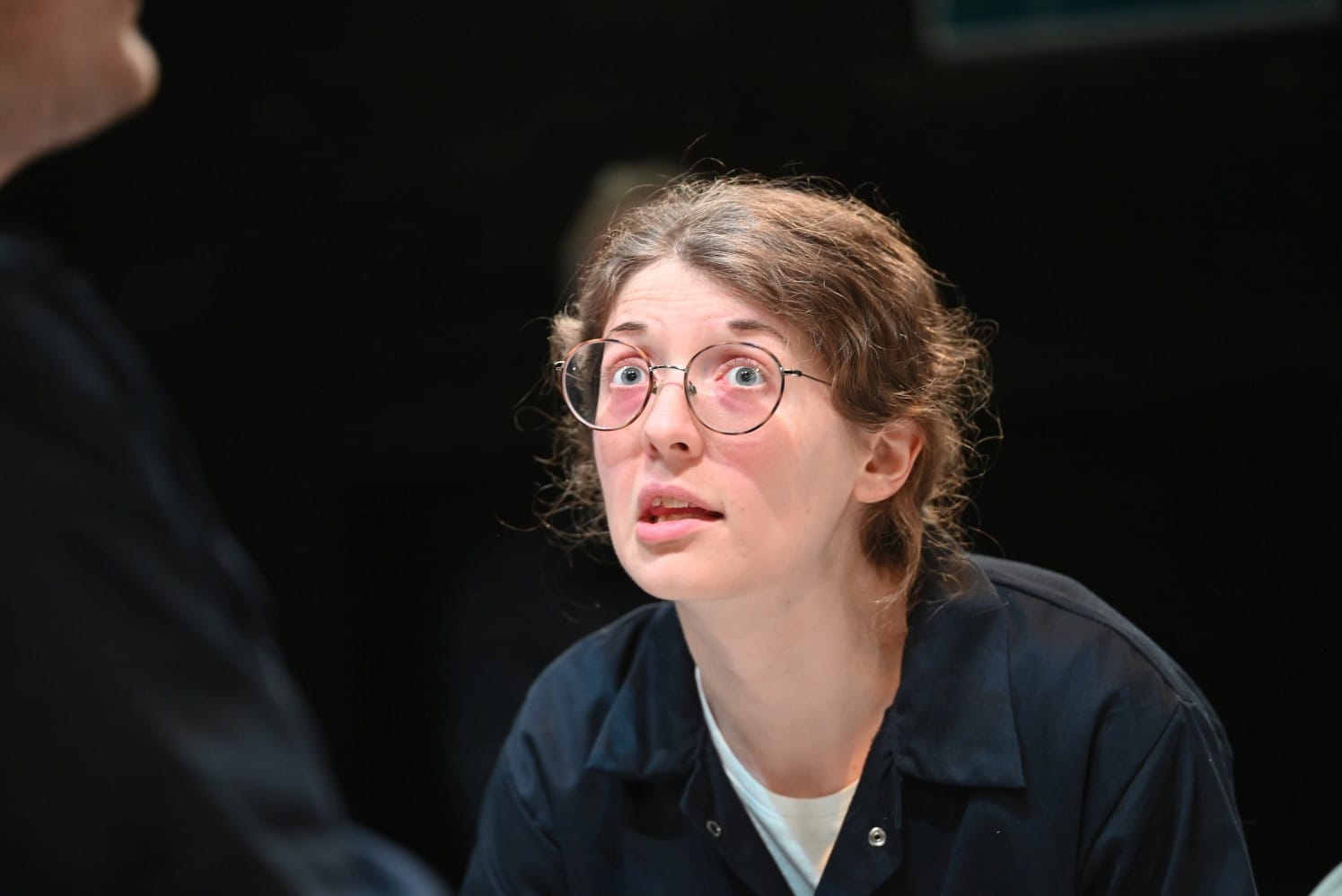
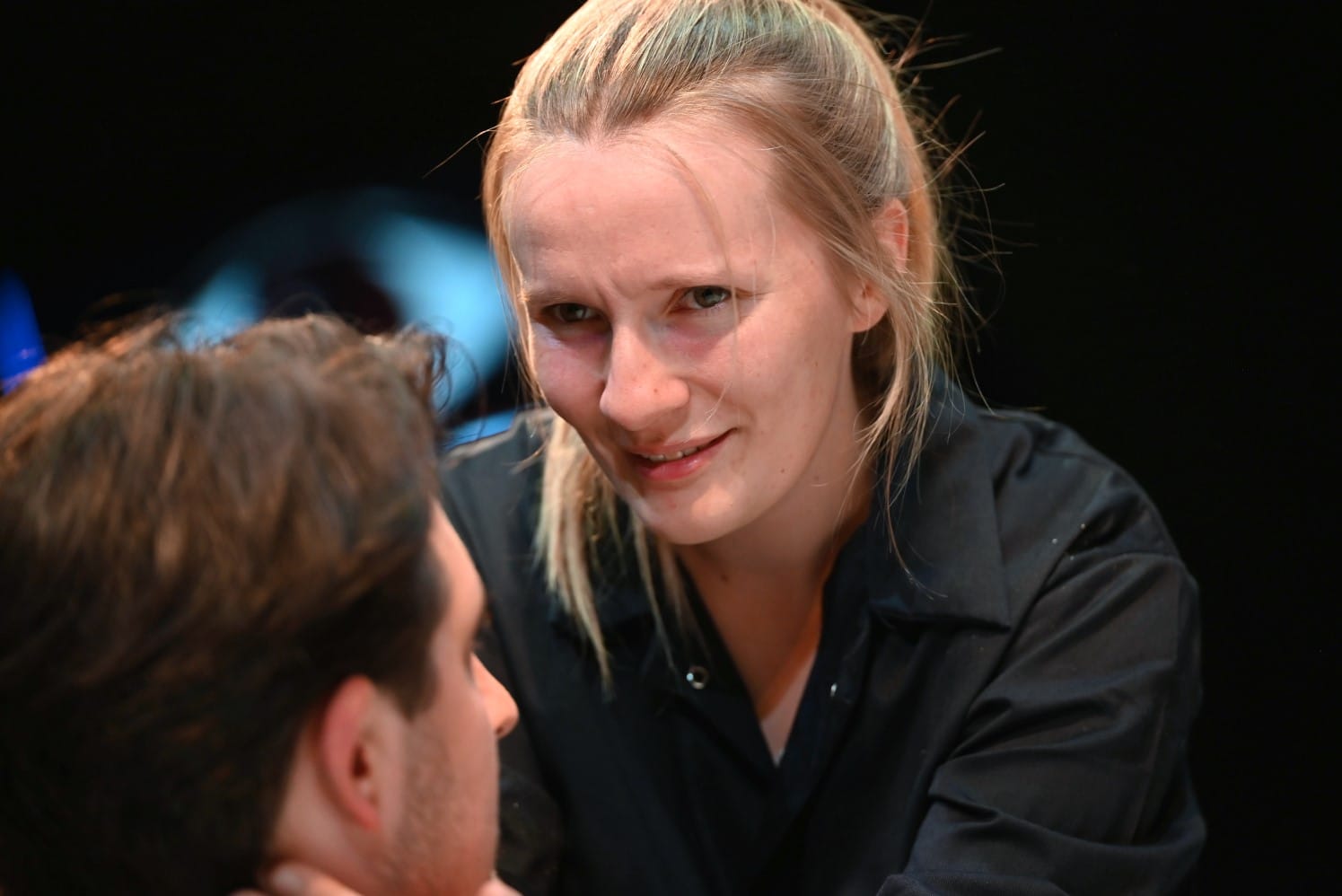
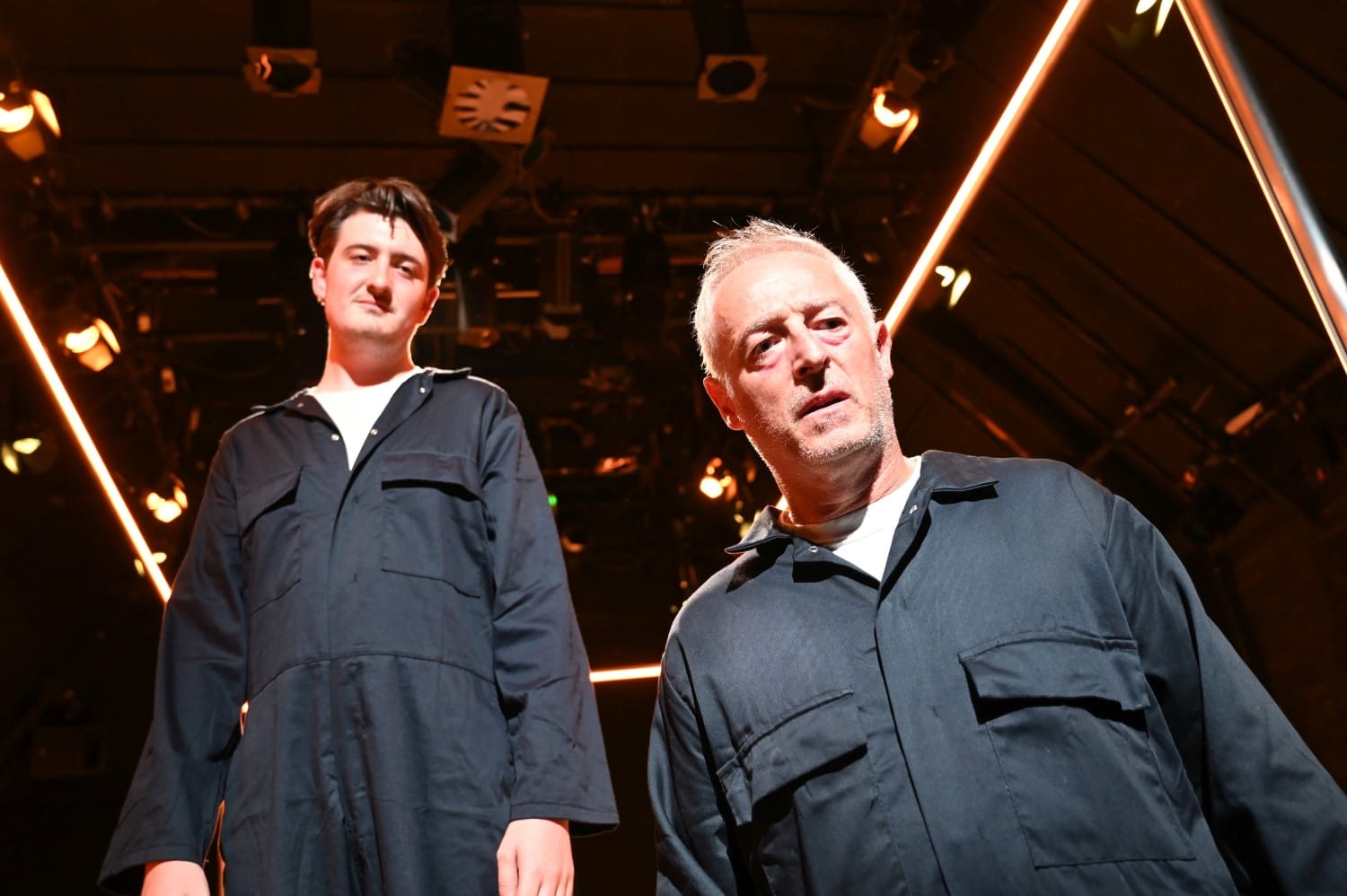
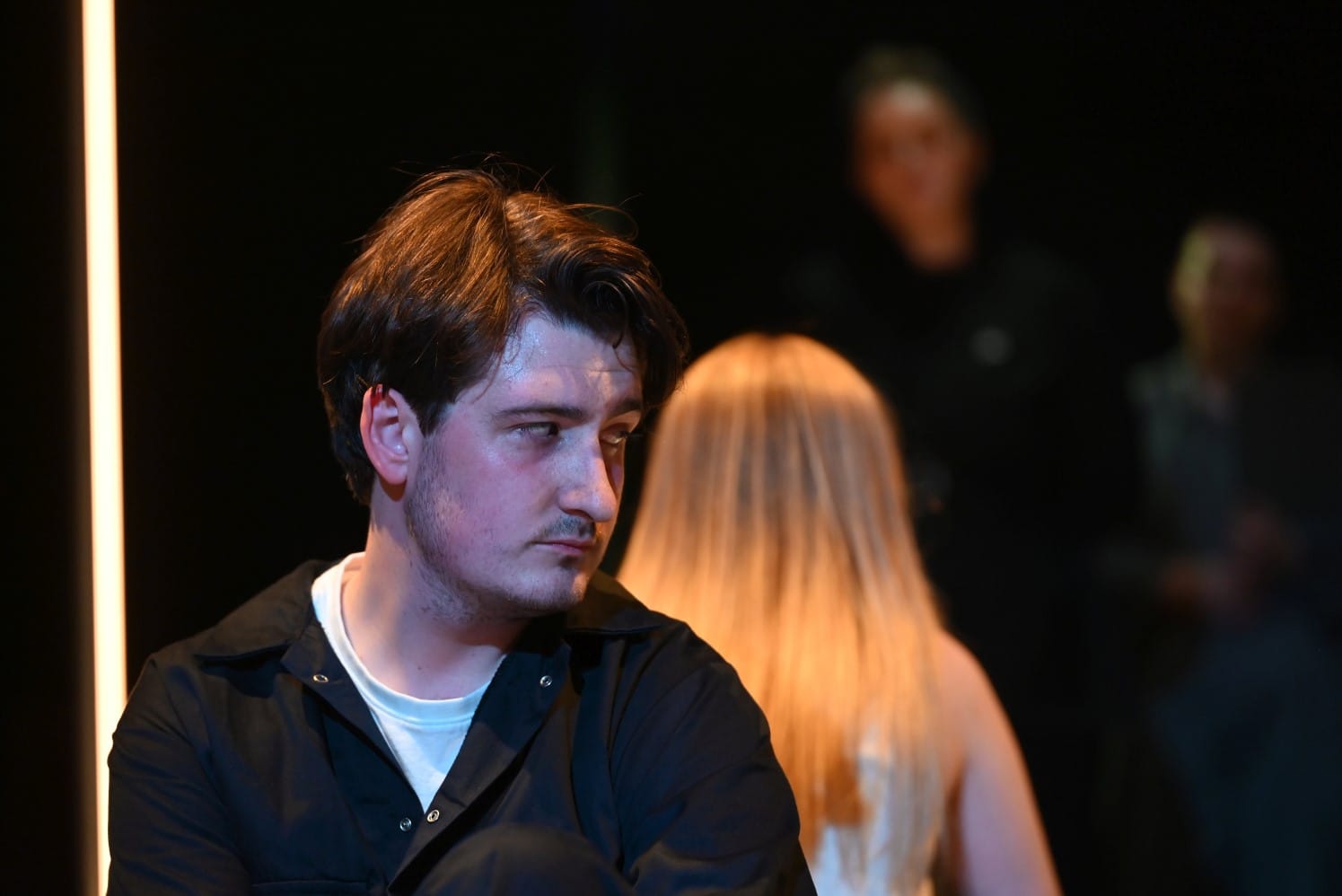
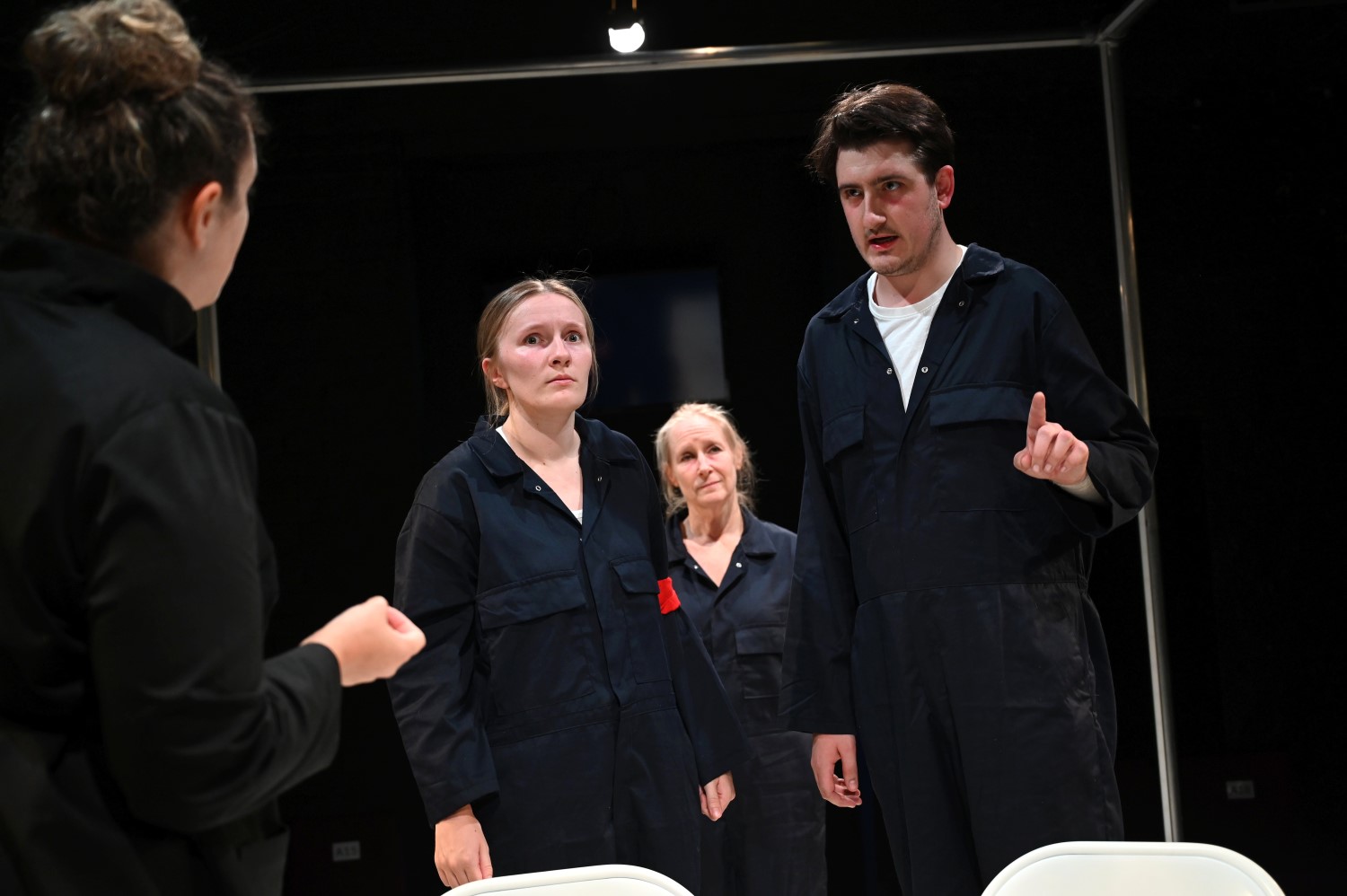
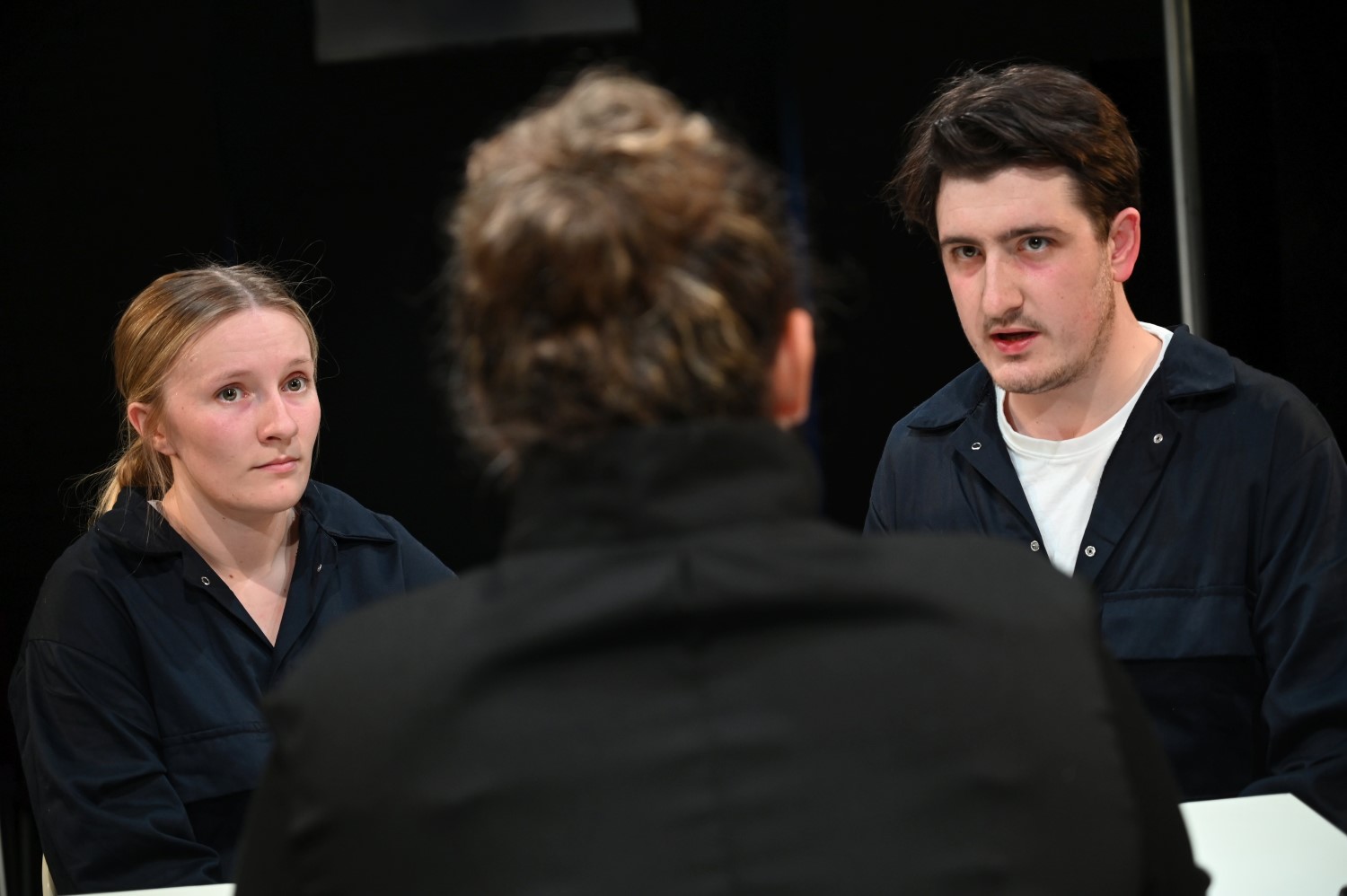
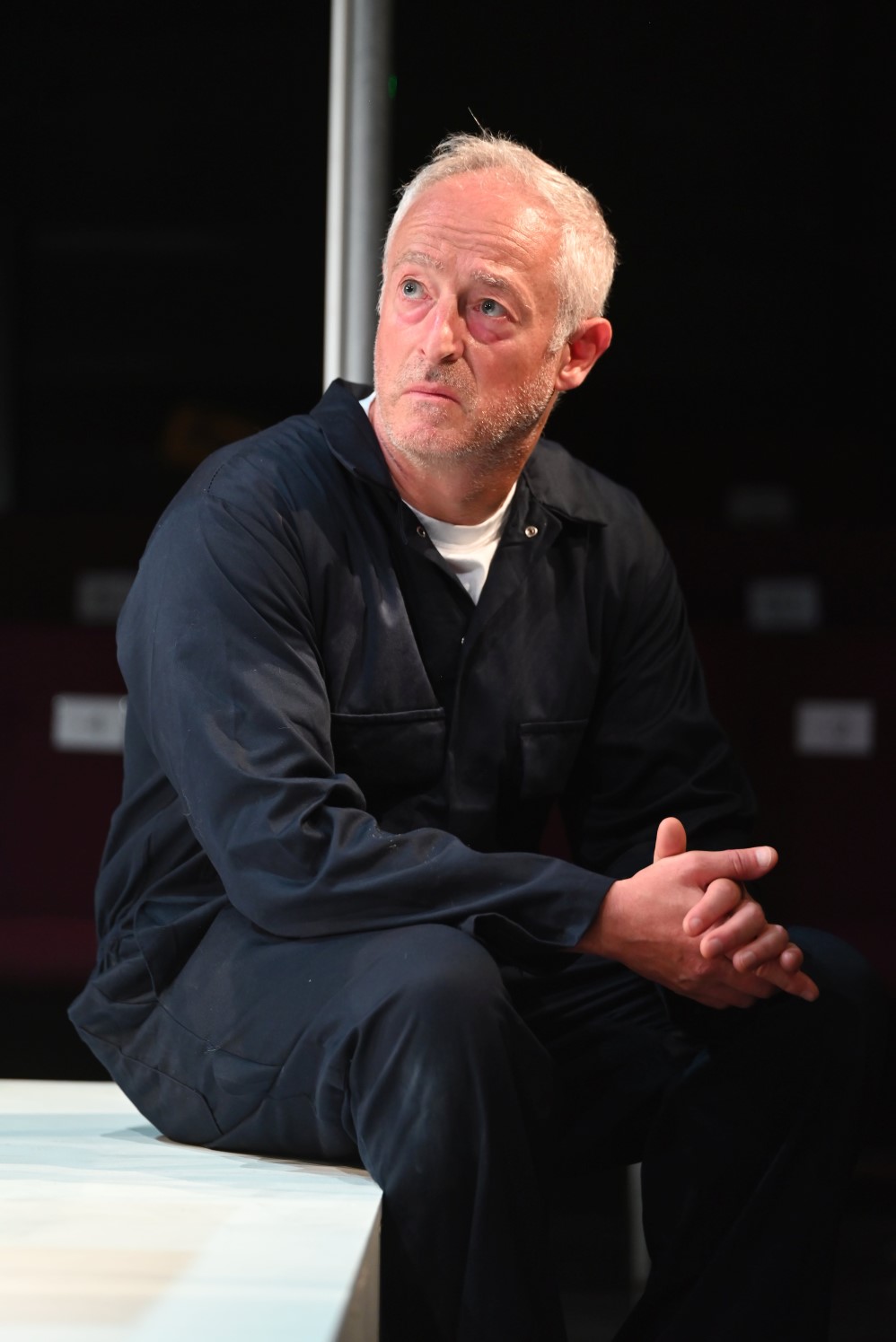
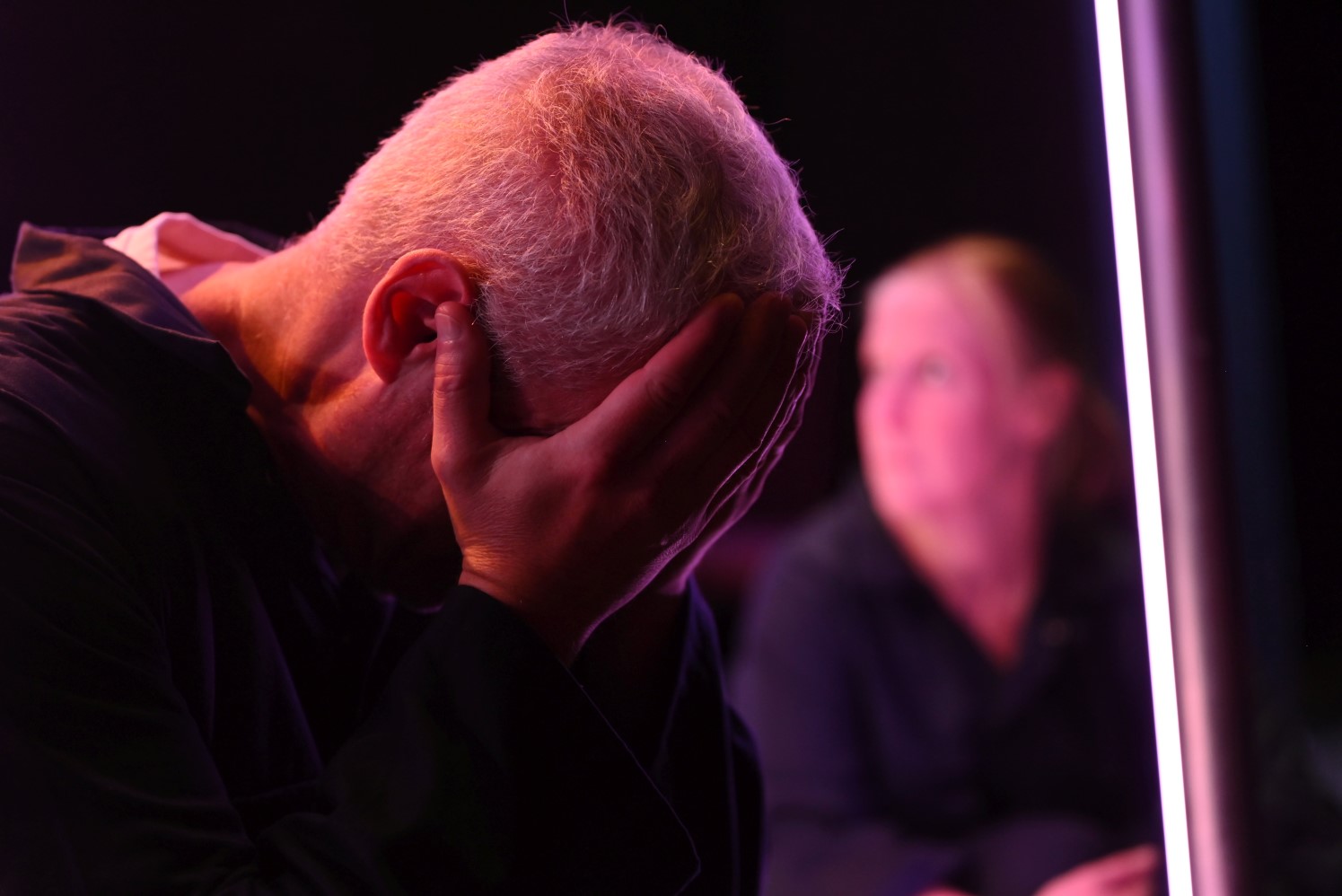
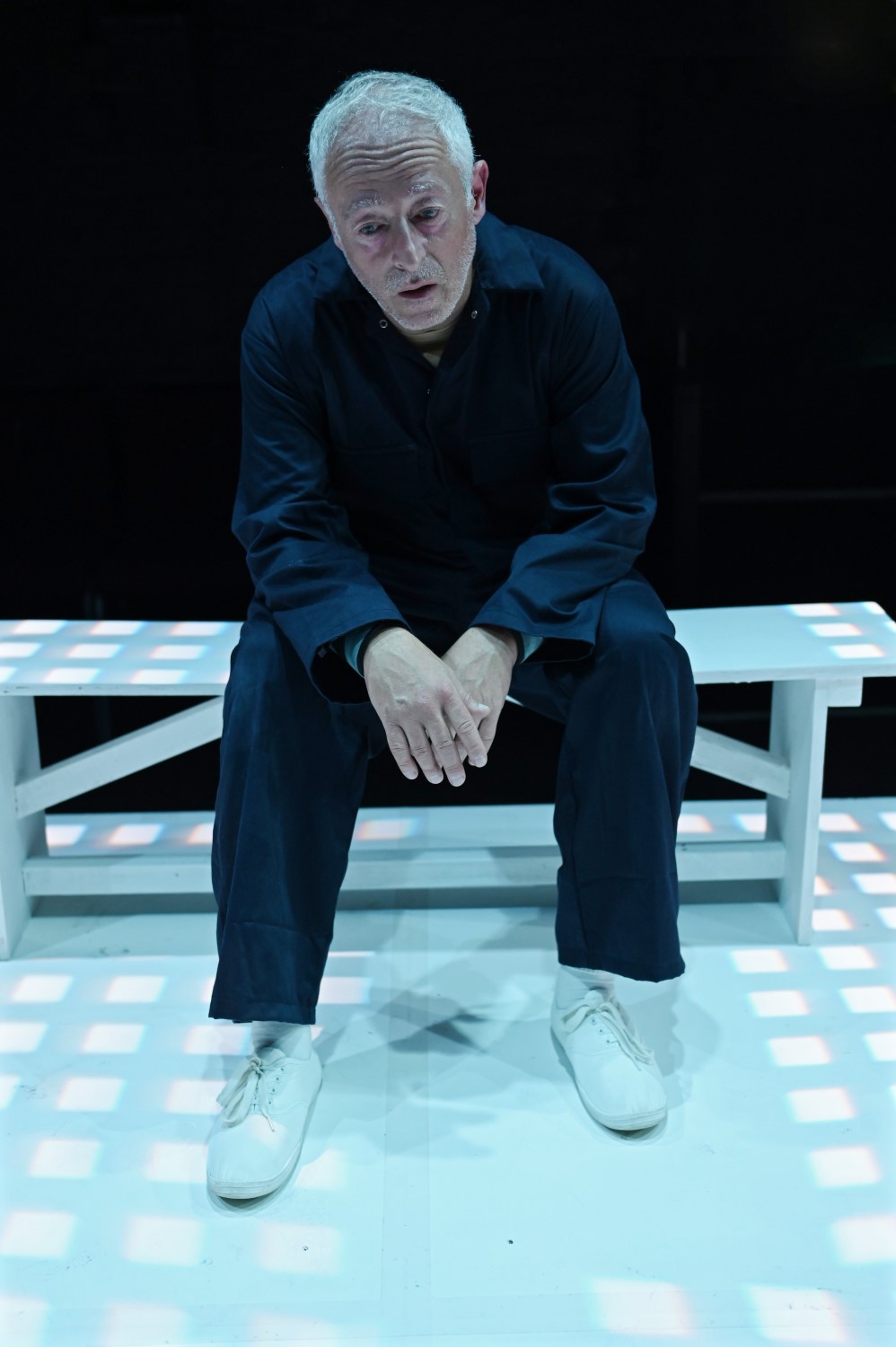
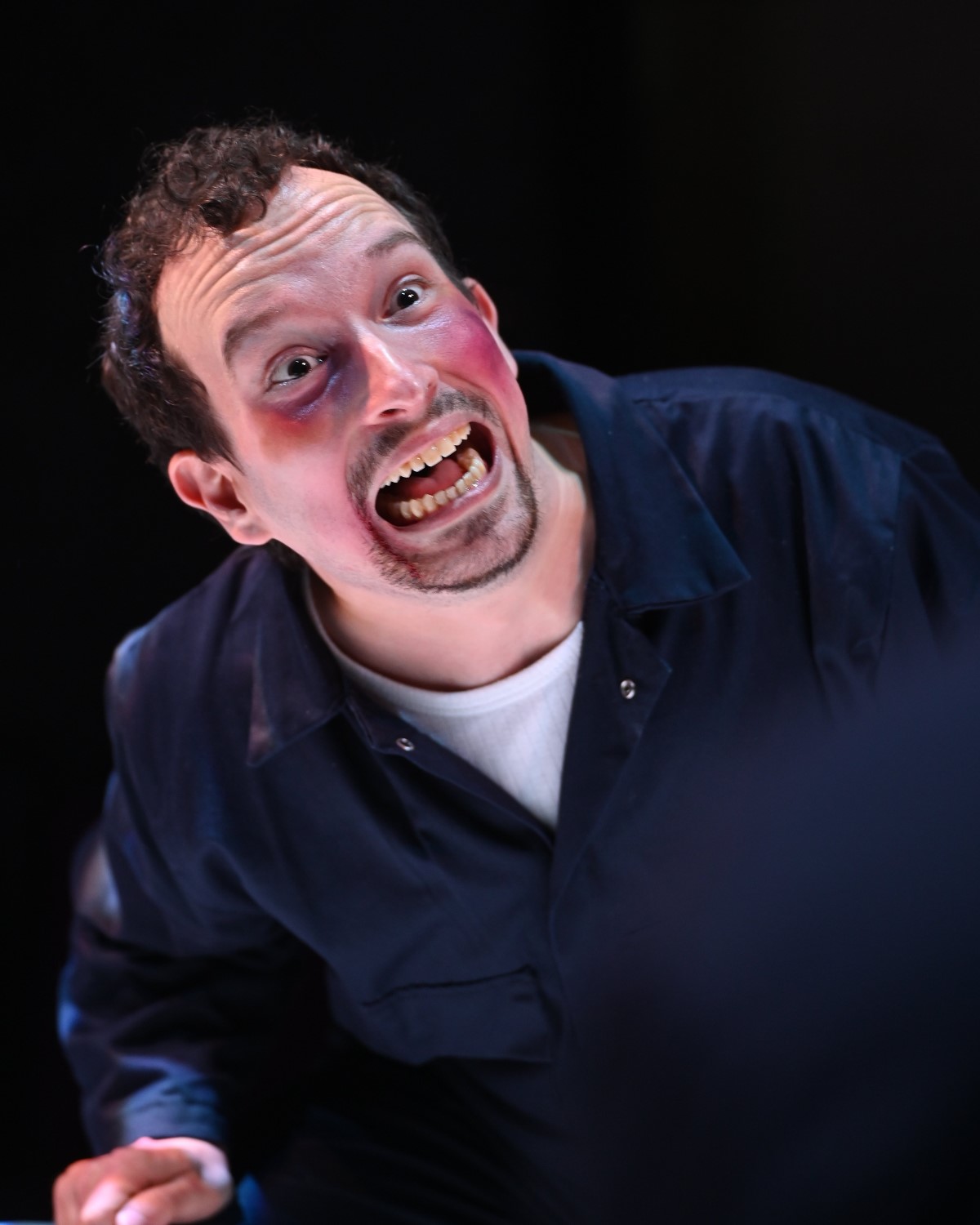
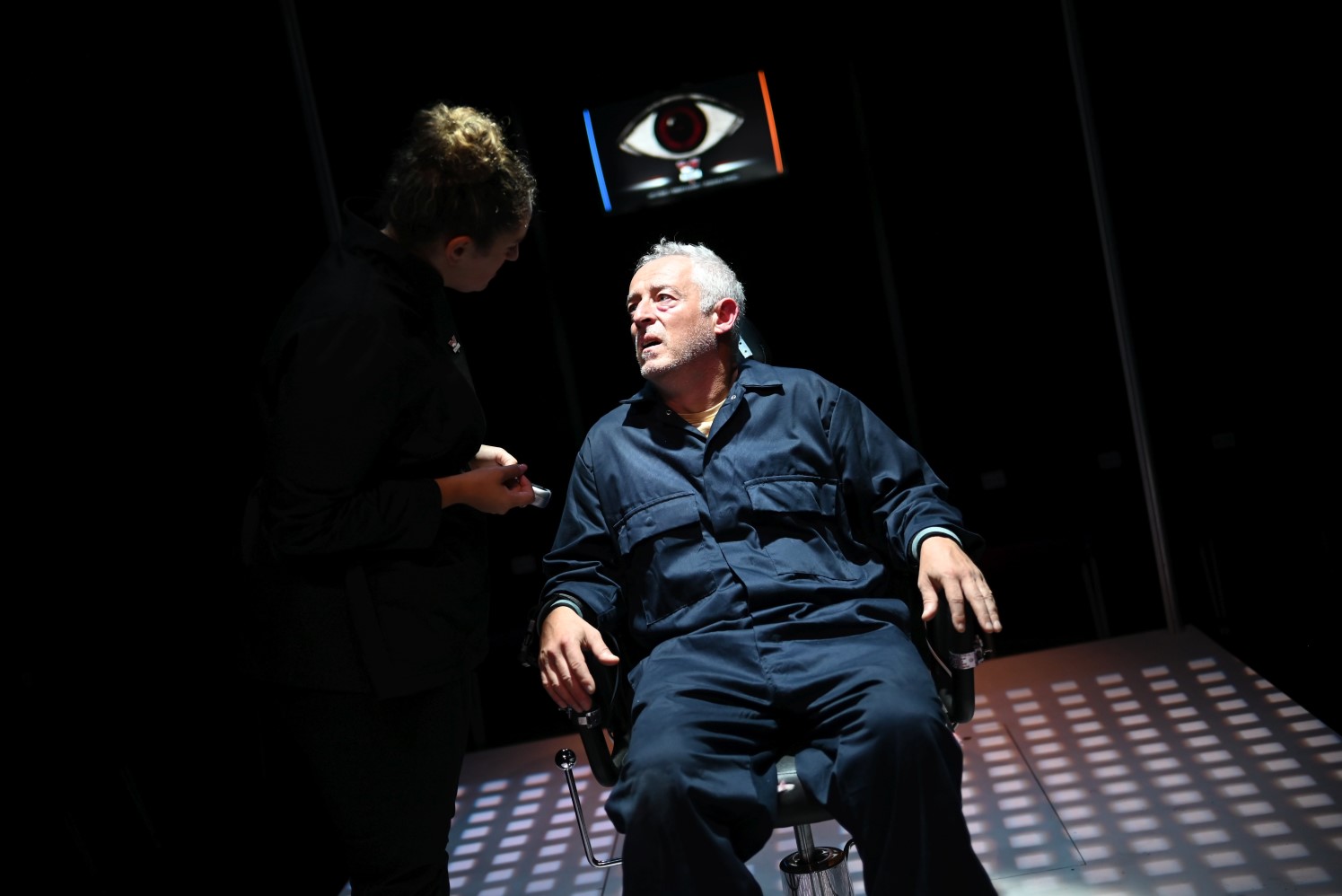
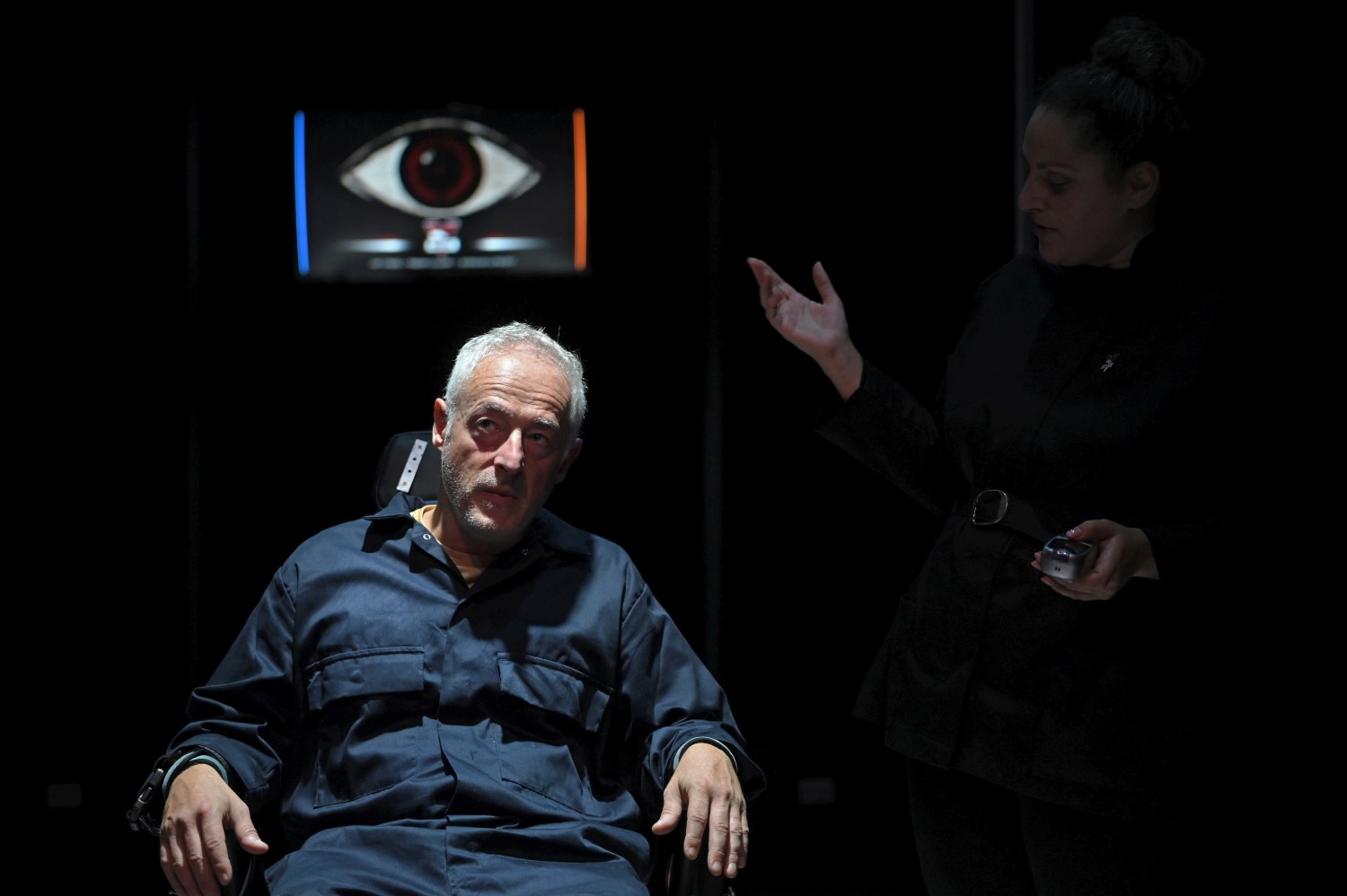
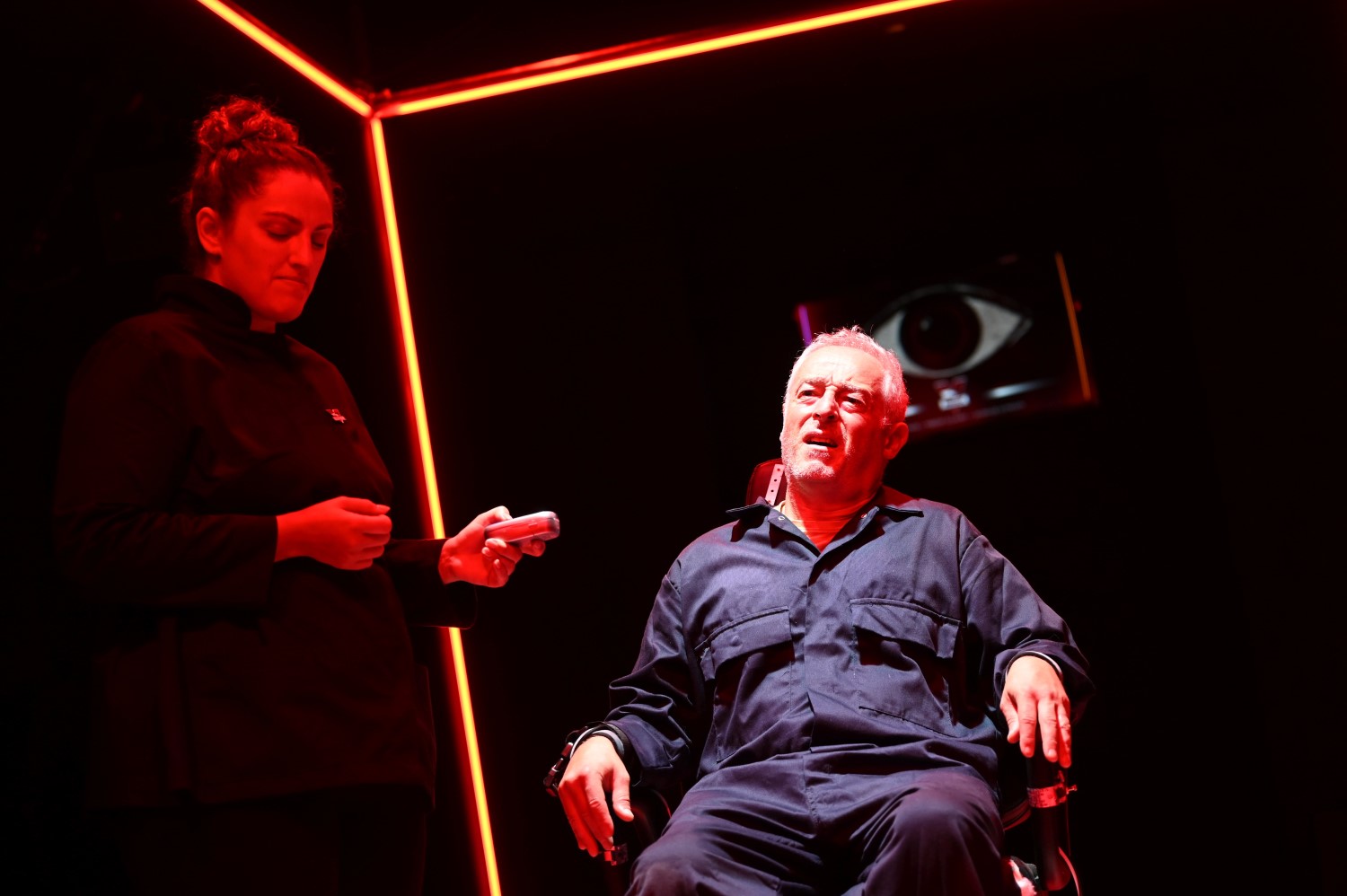
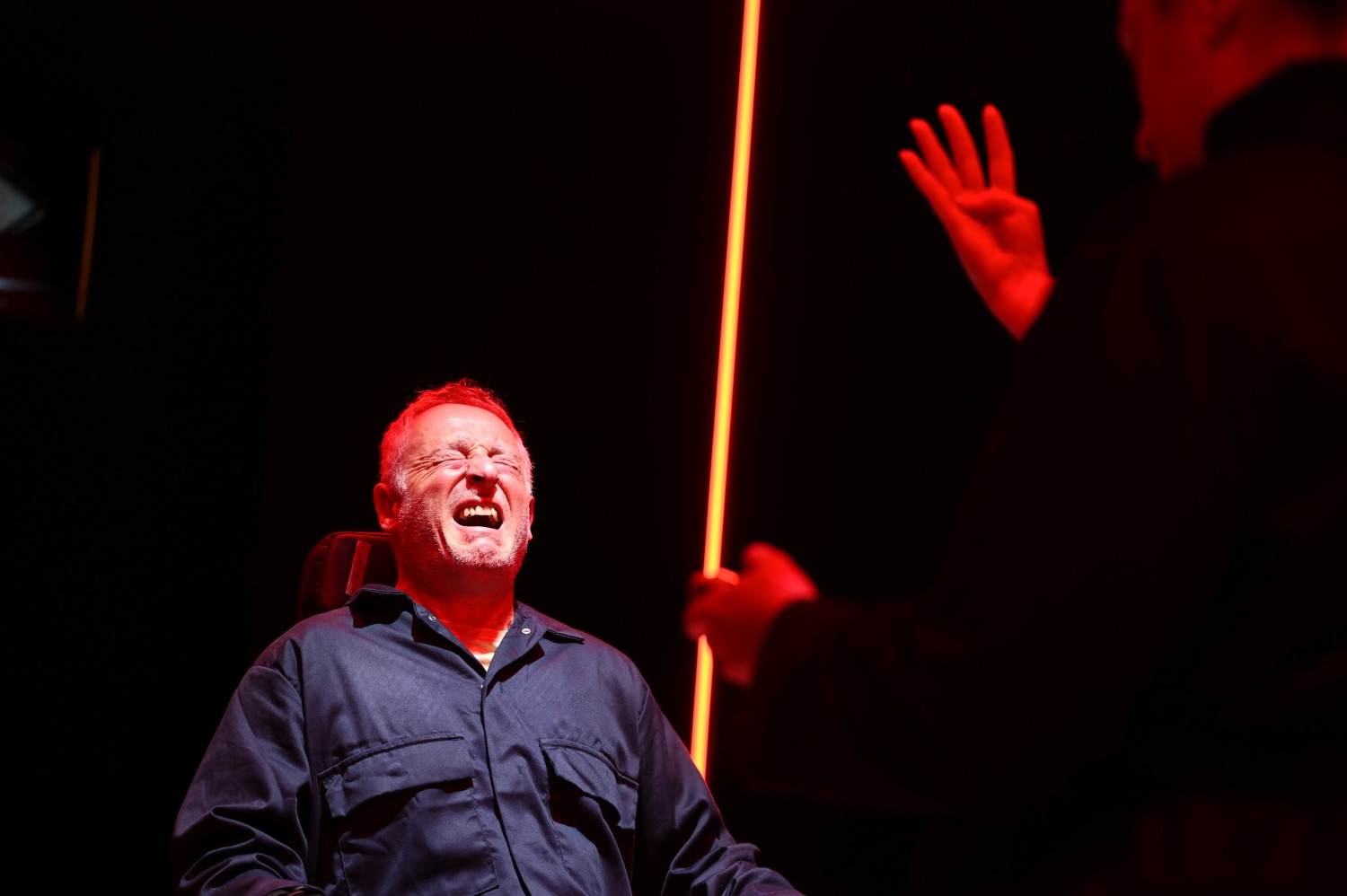
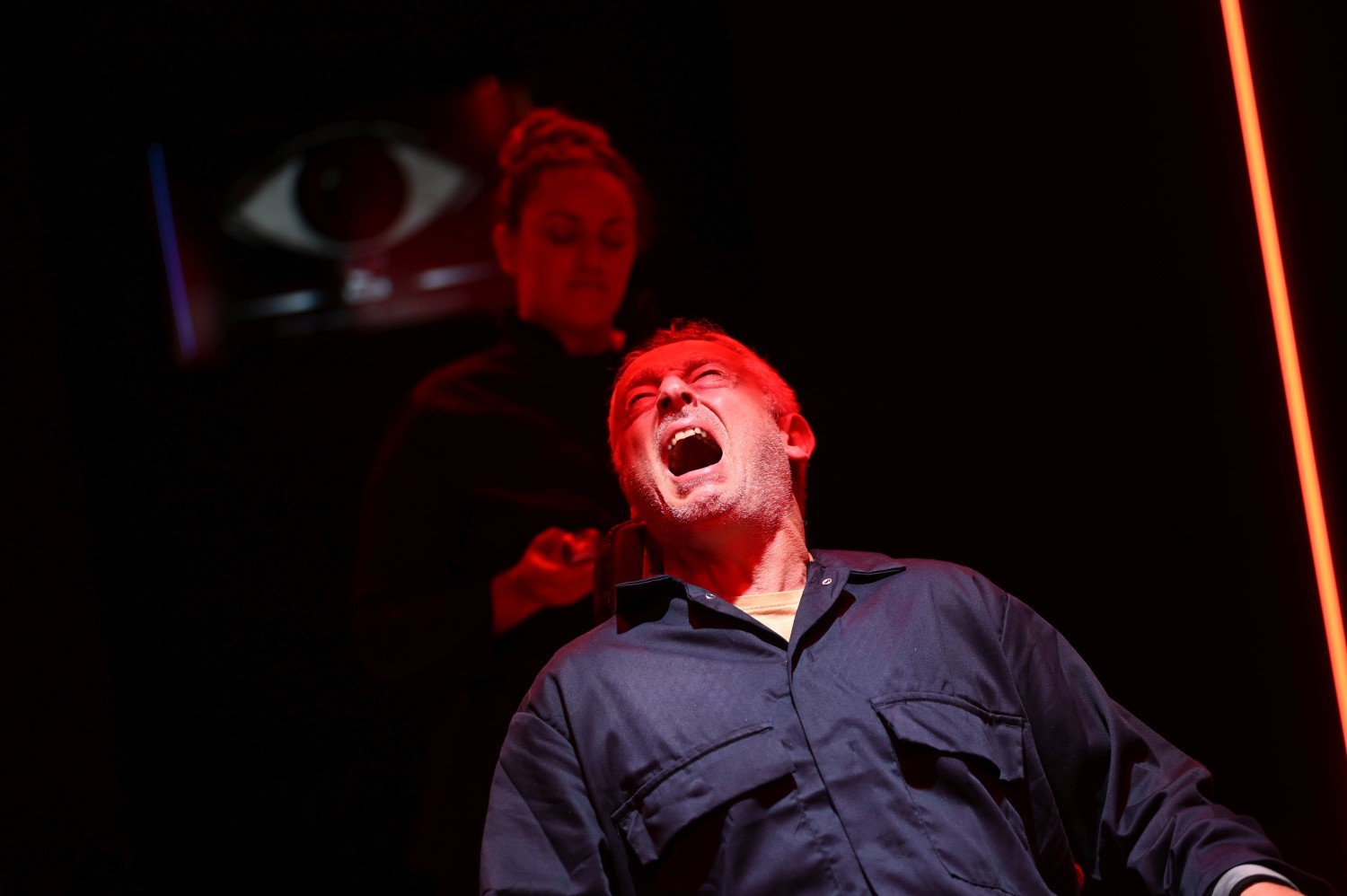
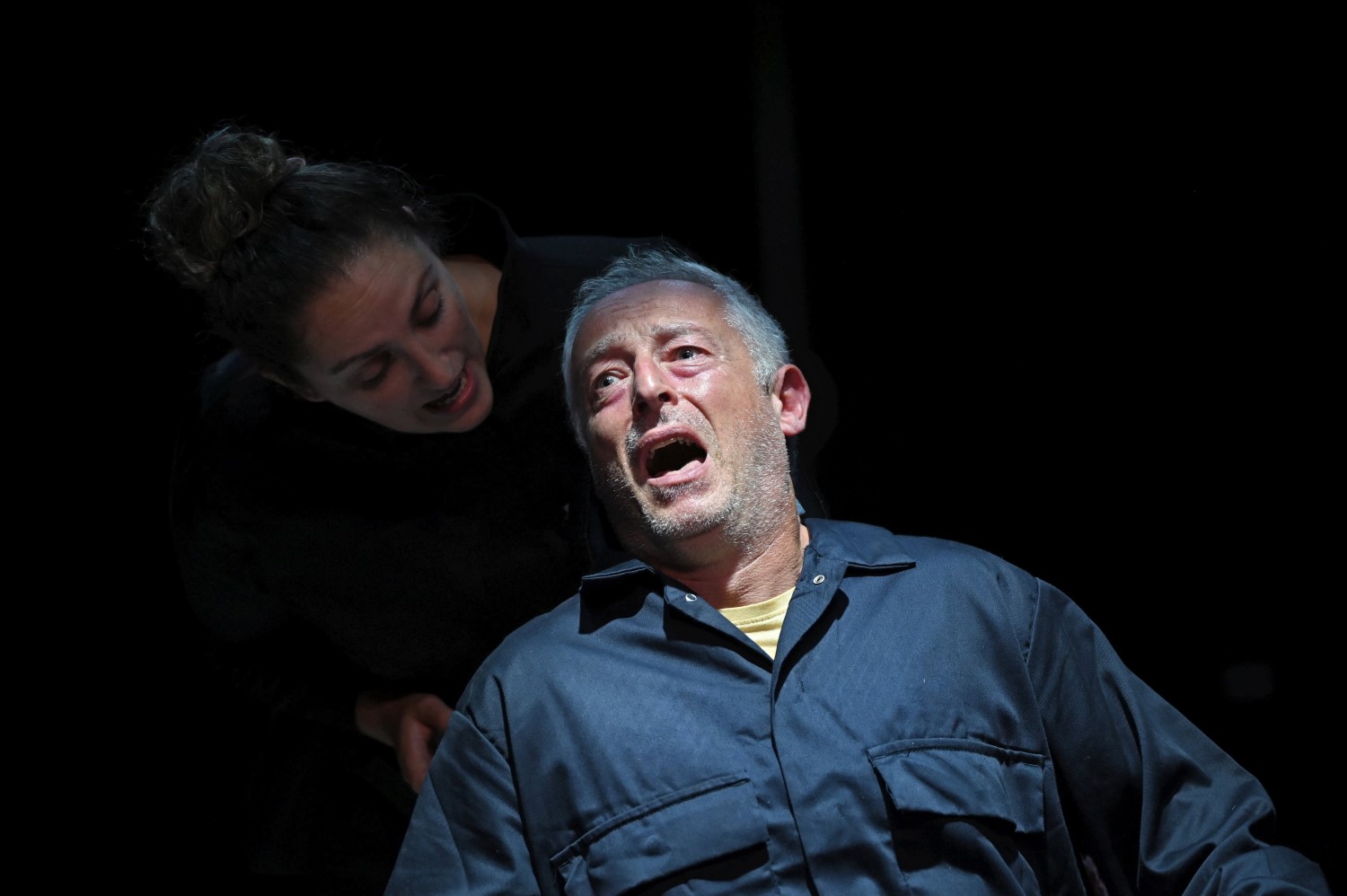
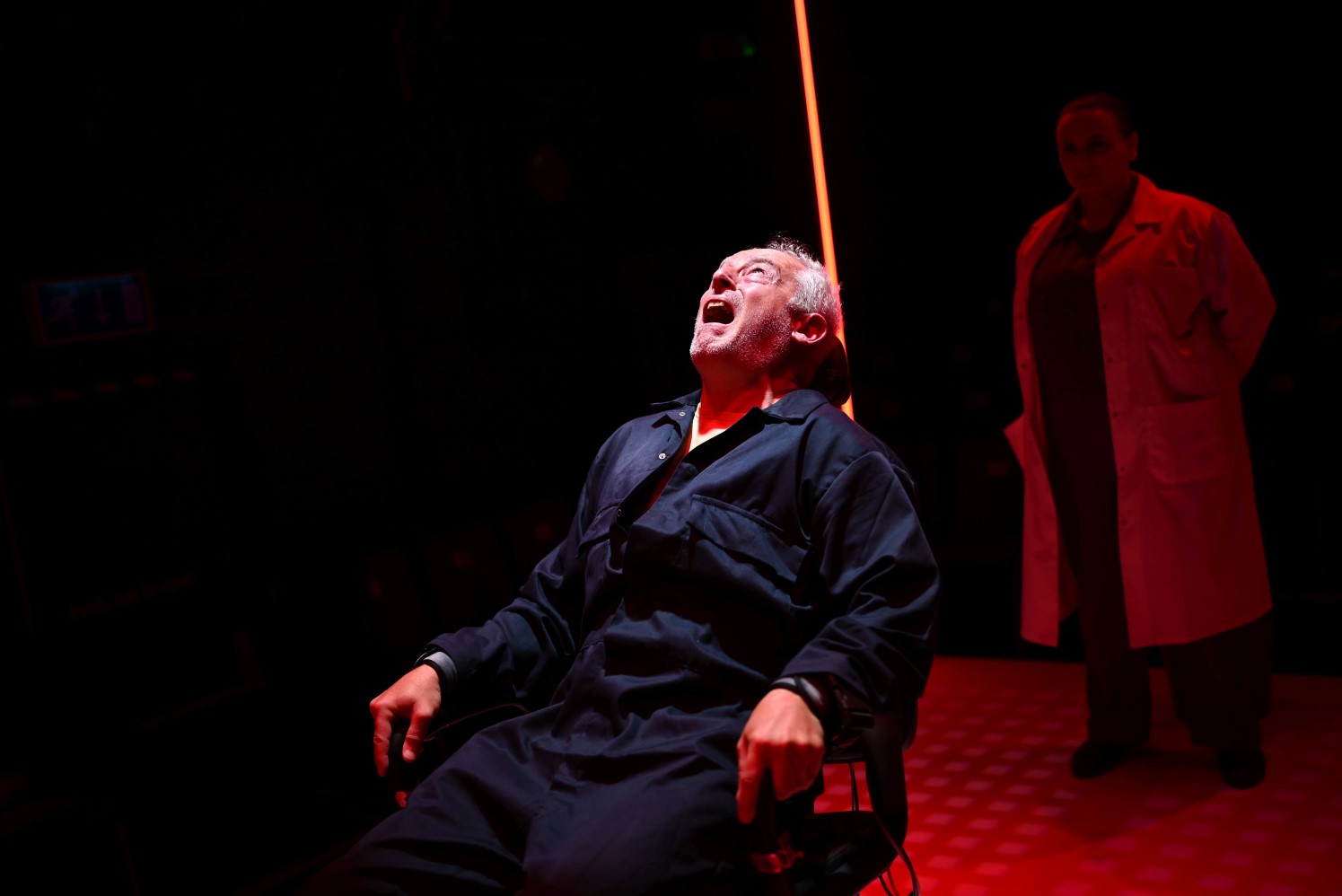
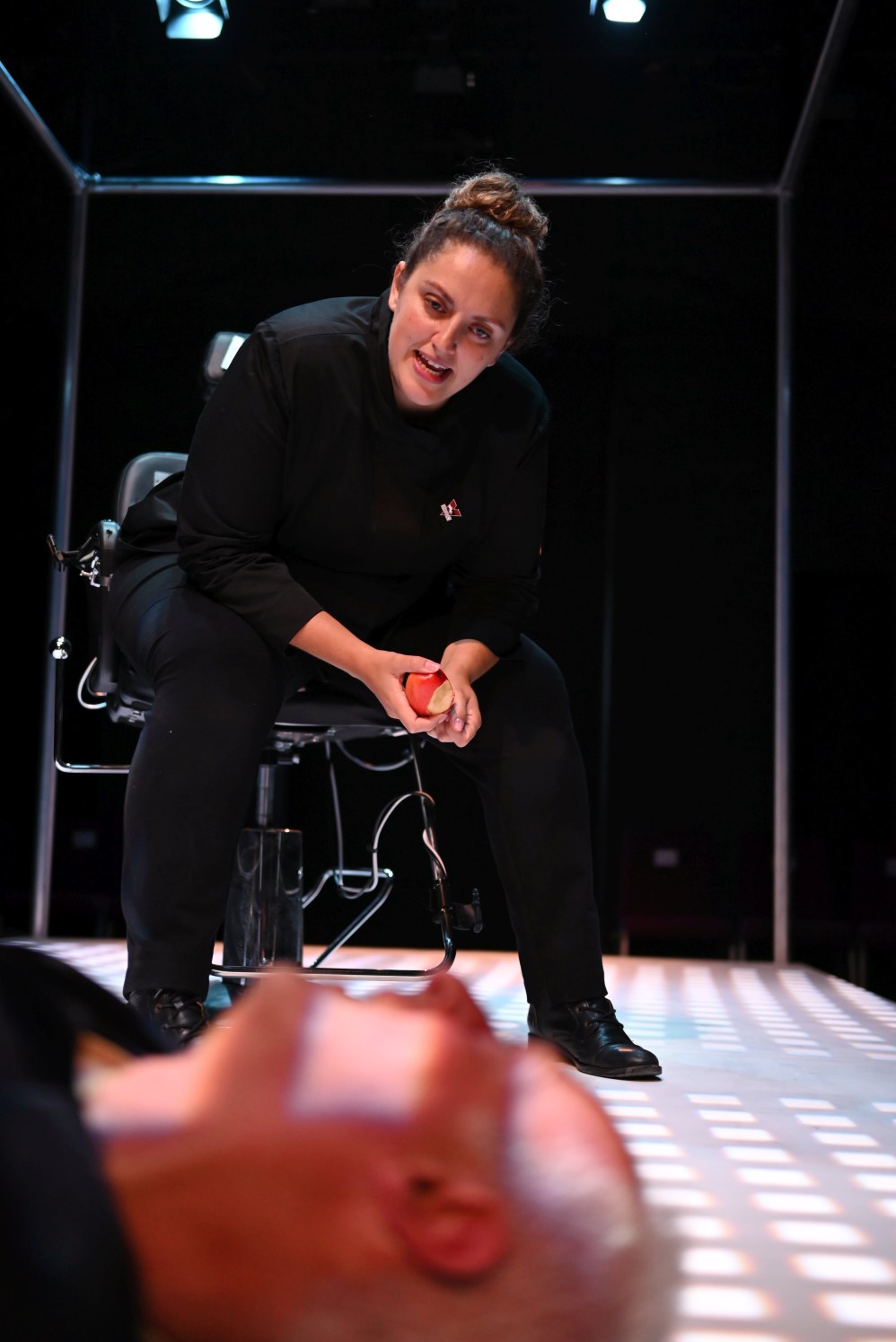
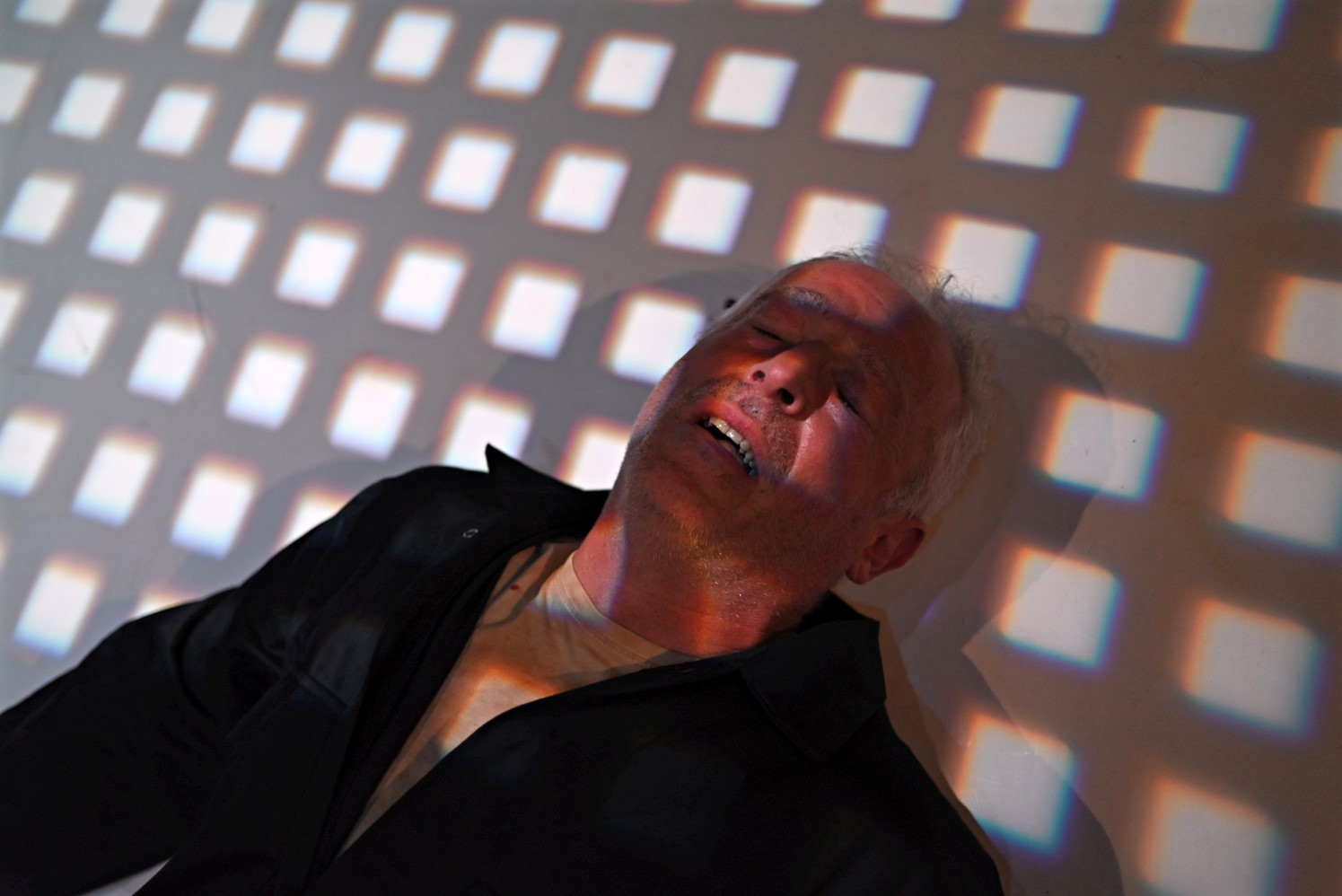
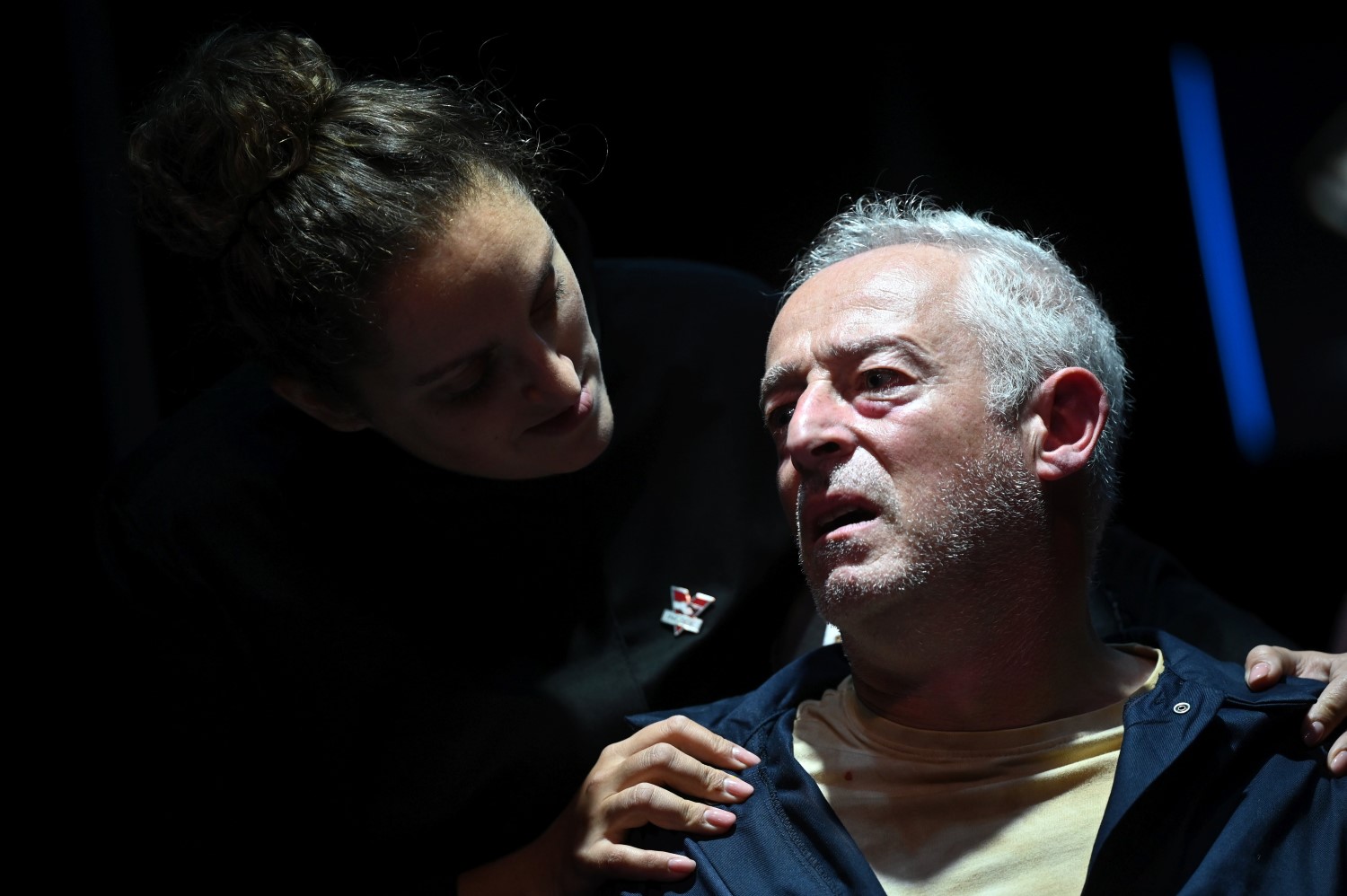
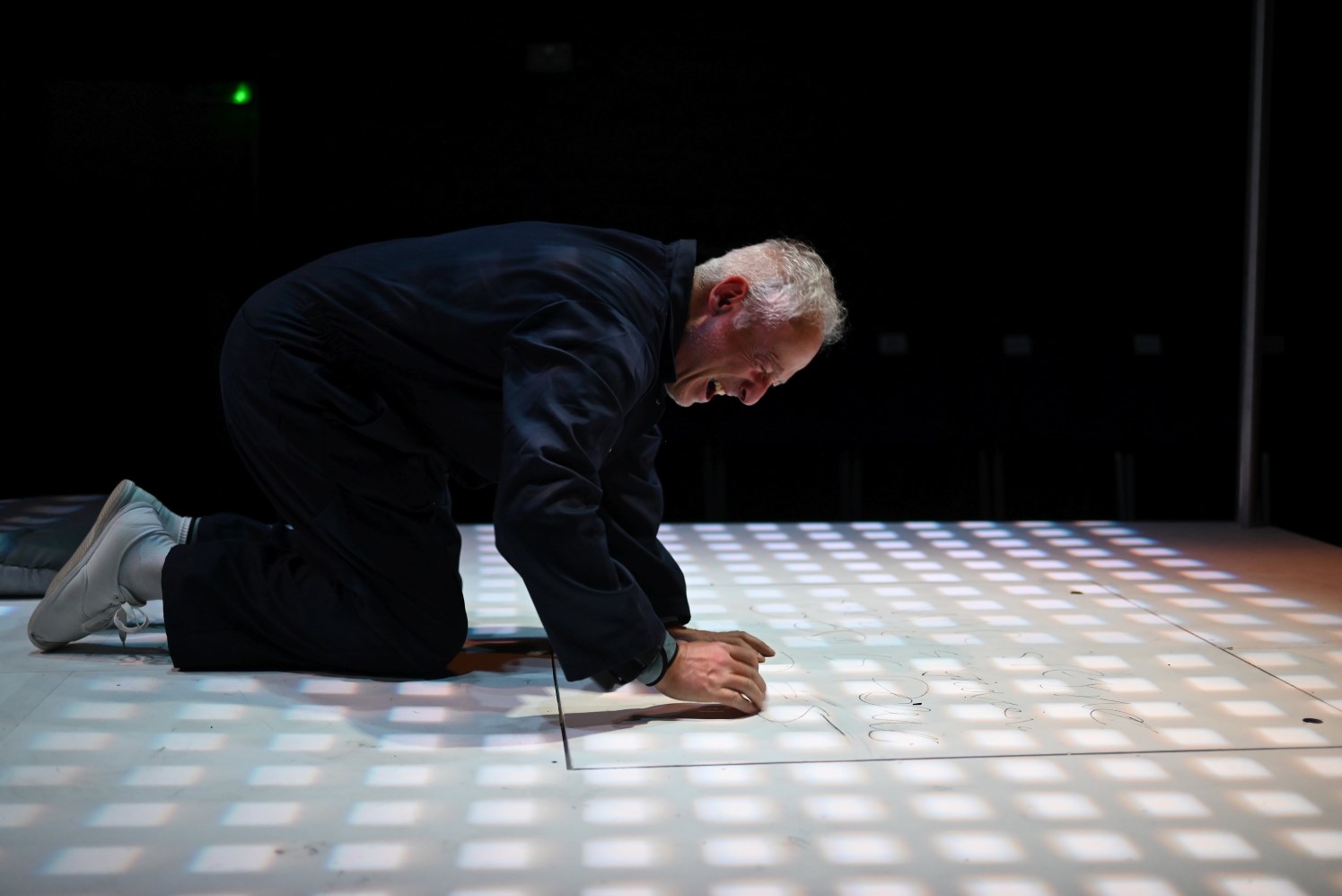
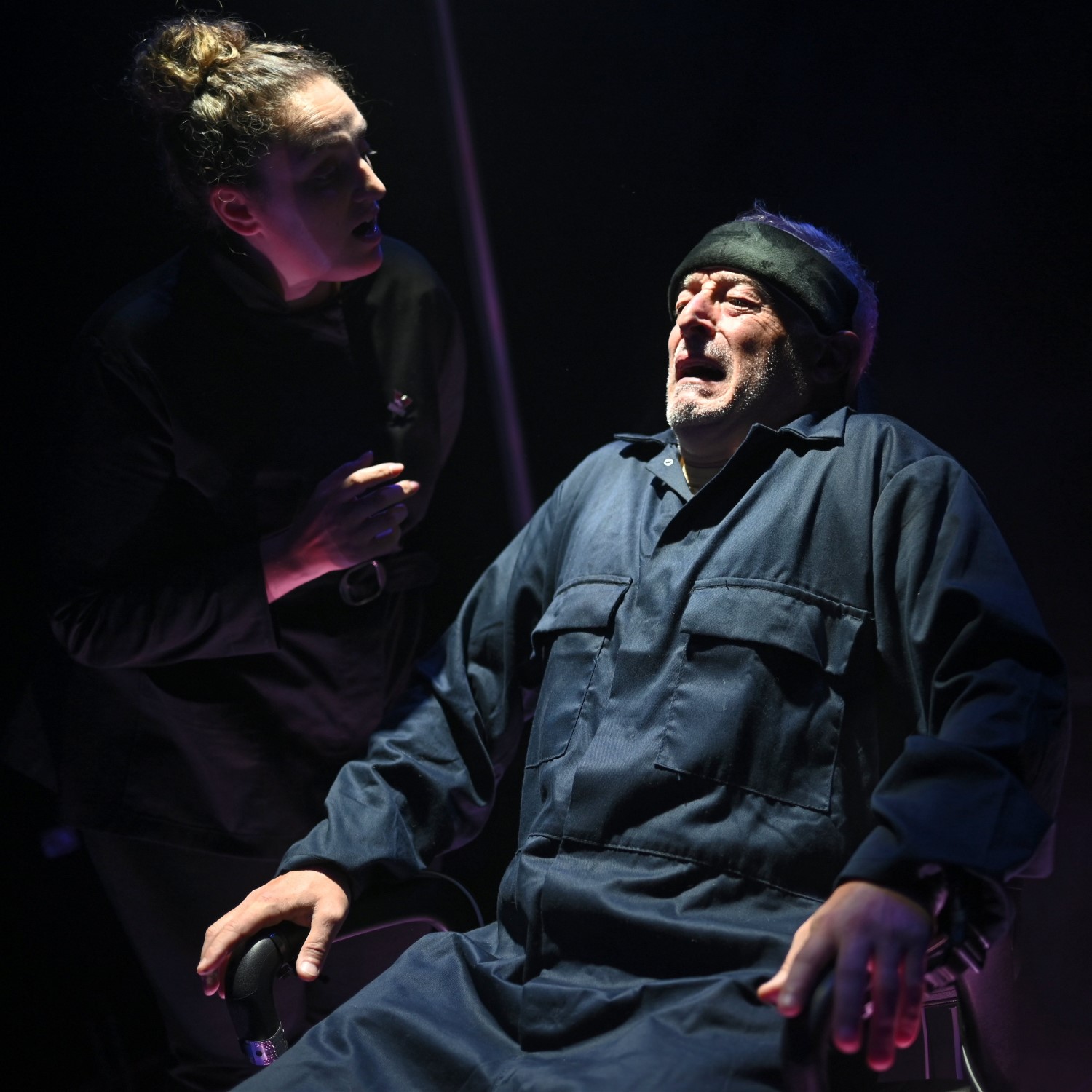
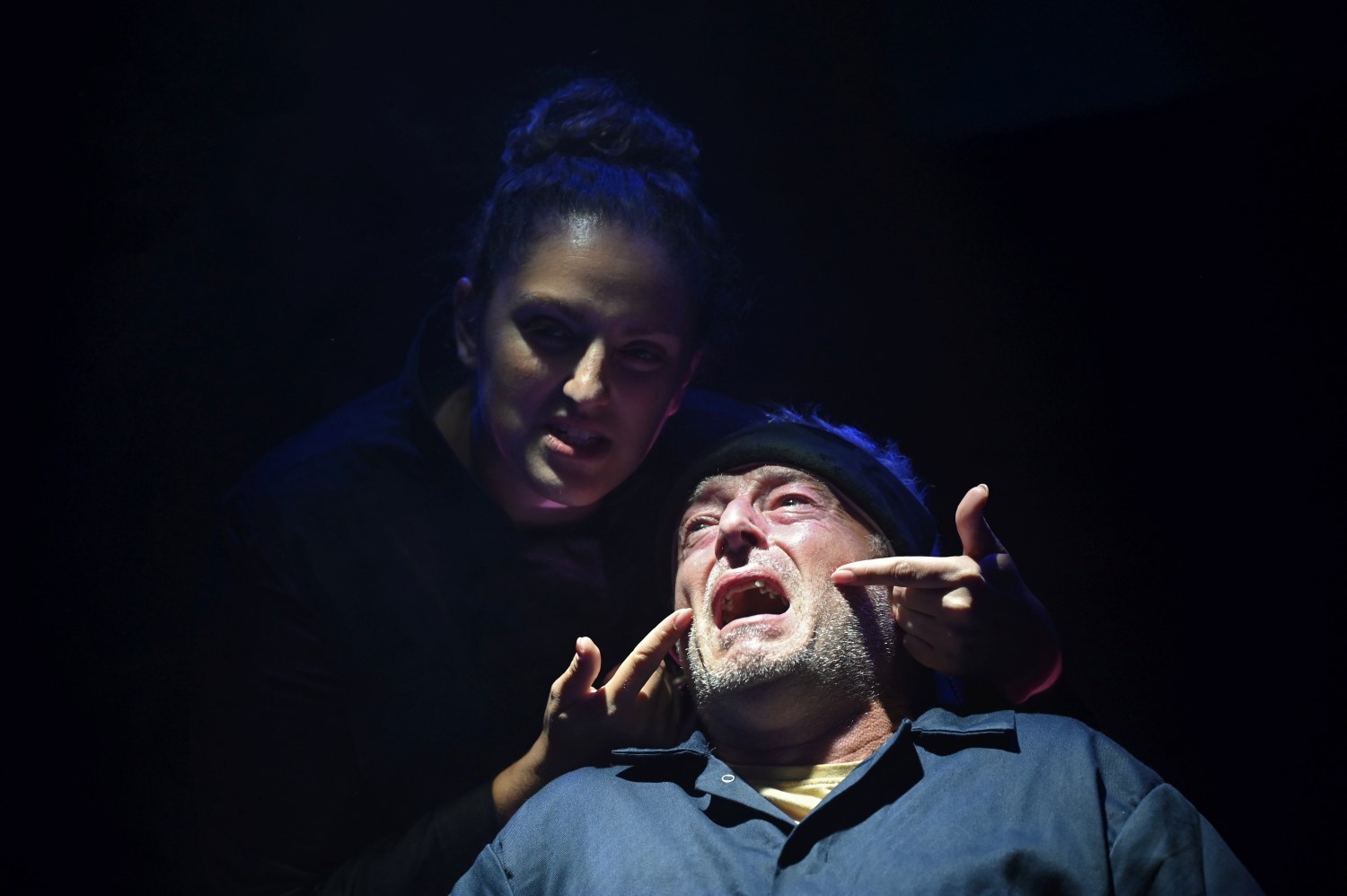
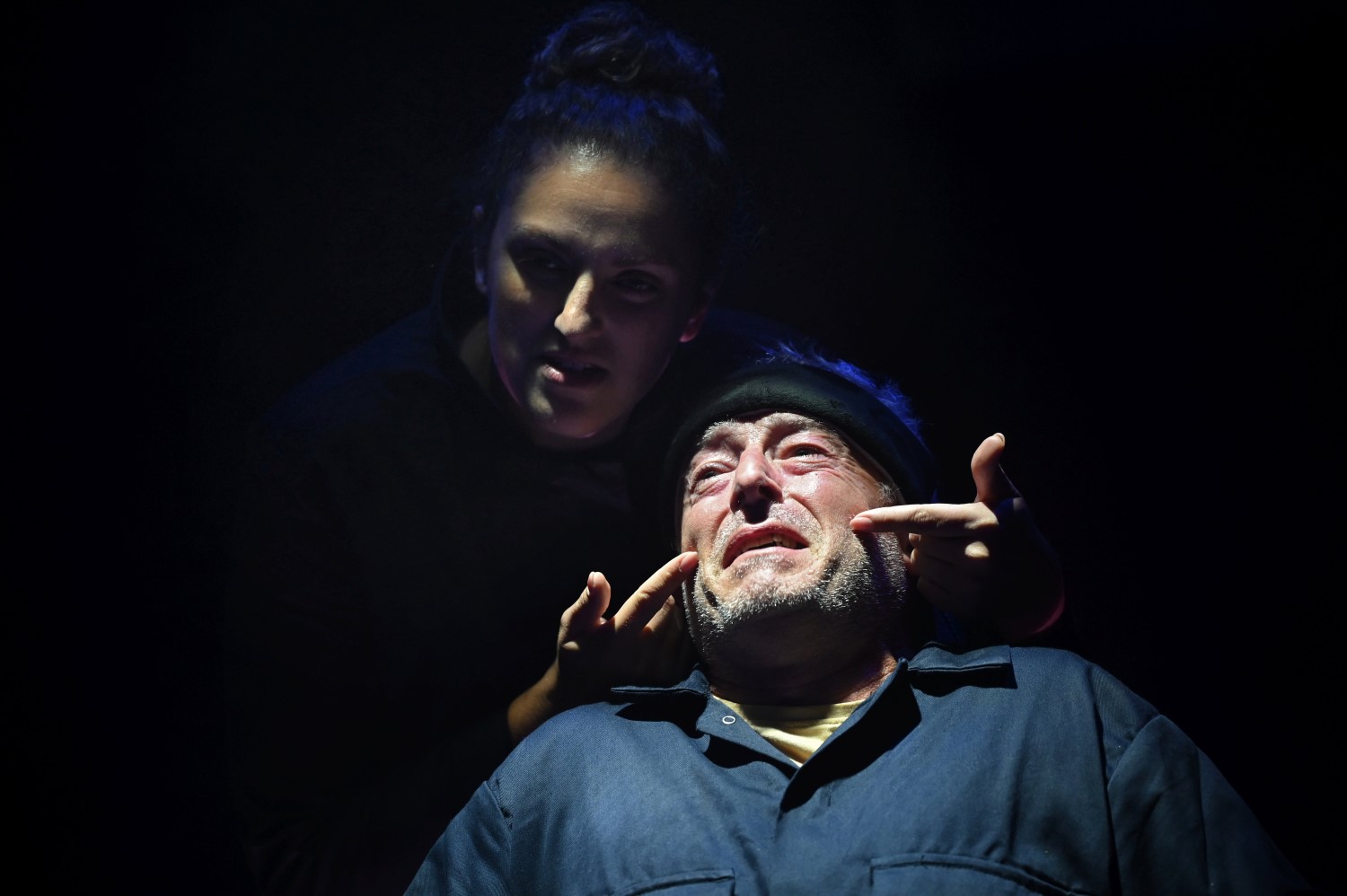
The play opens with our protagonist, Winston Smith, at his moment of capture by the manipulative party operative O’Brien – the start of what will be an enthralling battle of wills between the two opposing personalities. In his portrayal of Smith, Andy Howell was able to capture beautifully the stoic acceptance of a man who knows he is in deep trouble, whilst desperately trying to maintain his independence of thought. His subsequent descent into a state of mental disintegration as the play wore on made for a harrowing watch, especially in the later scenes of torture at the hands of O’Brien. The visceral fear and tension as the electrocution scene played out were masterfully enacted by Andy, and I can’t have been the only one in the Theatre who winced in empathy every time O’Brien’s finger moved towards the button!
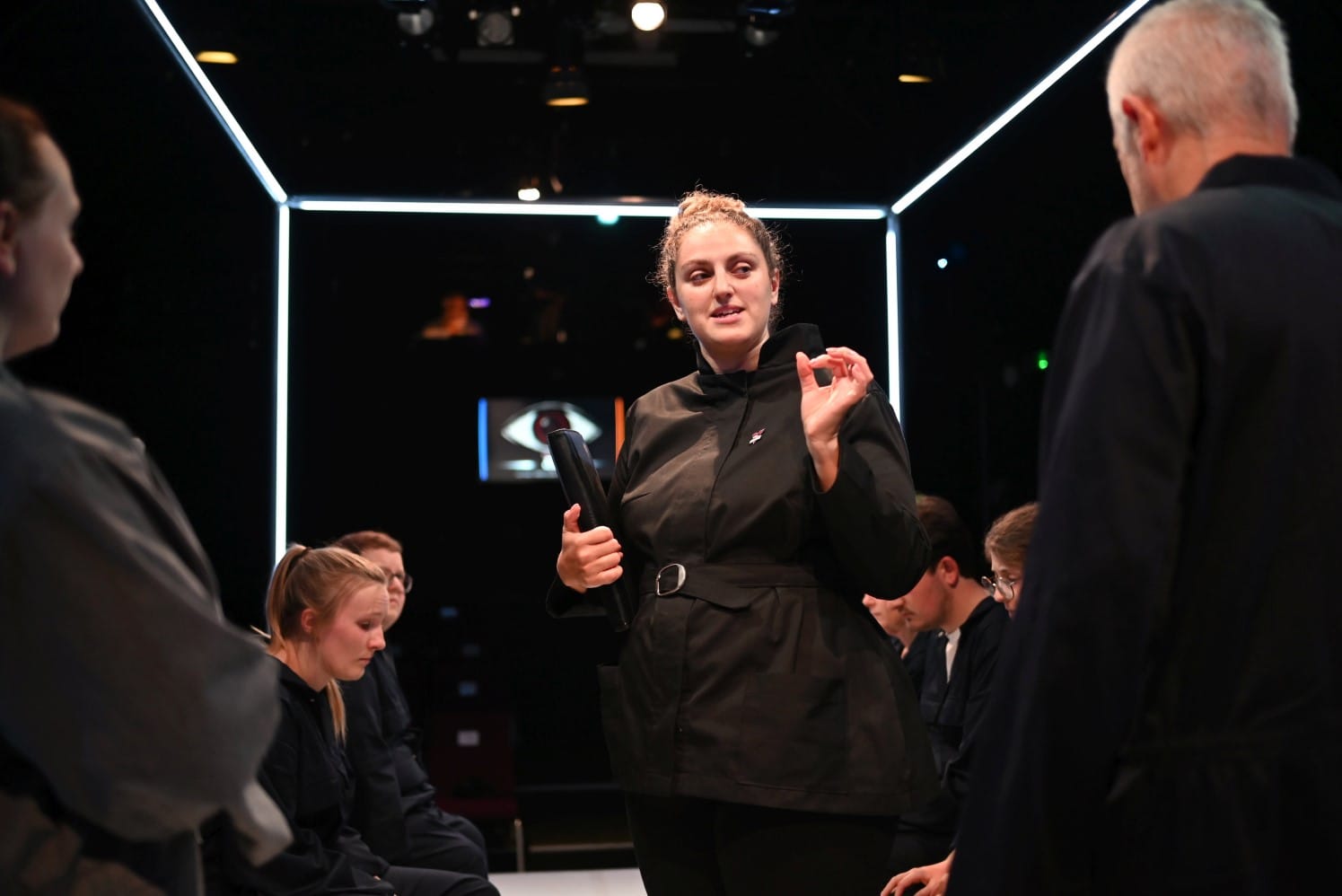
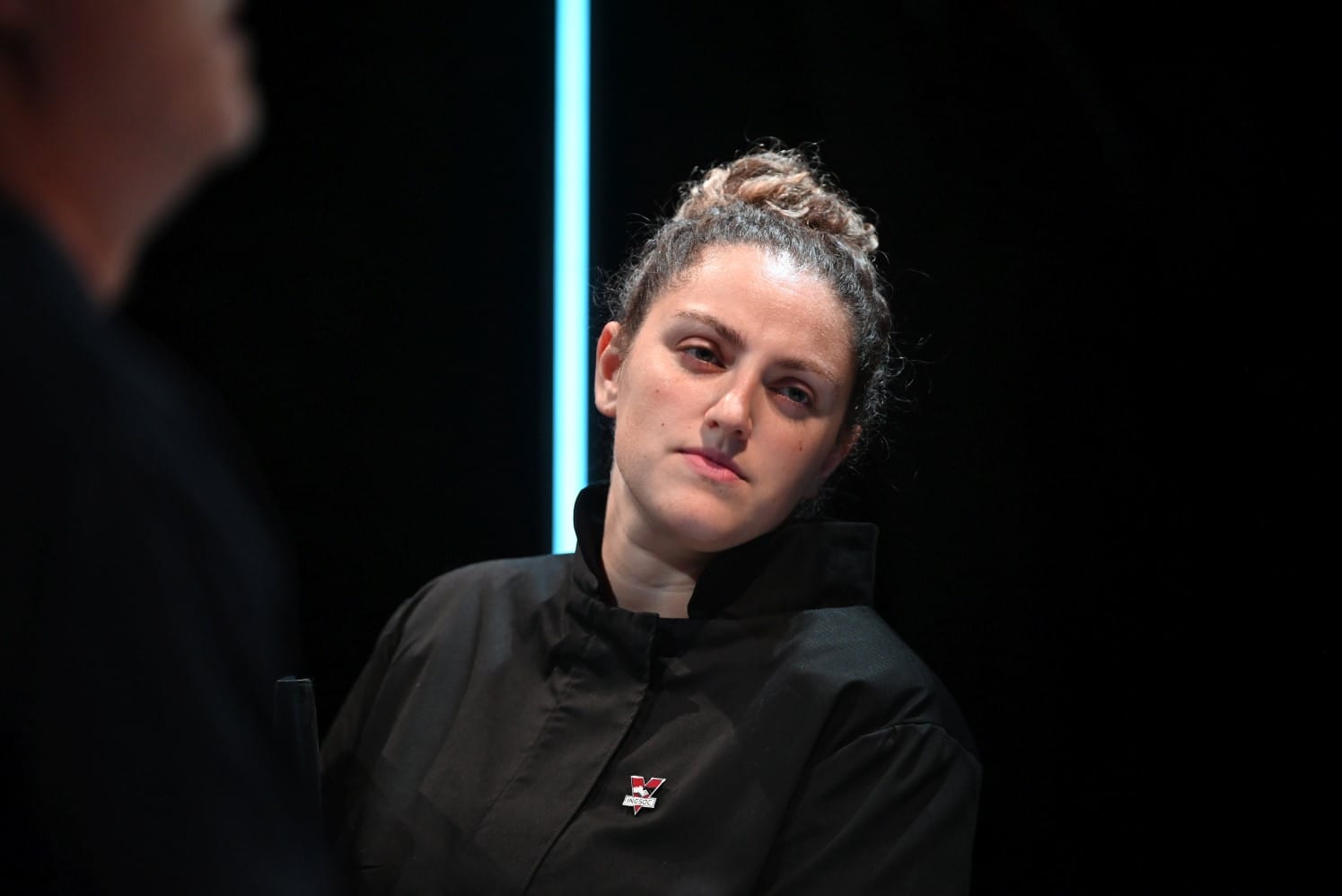
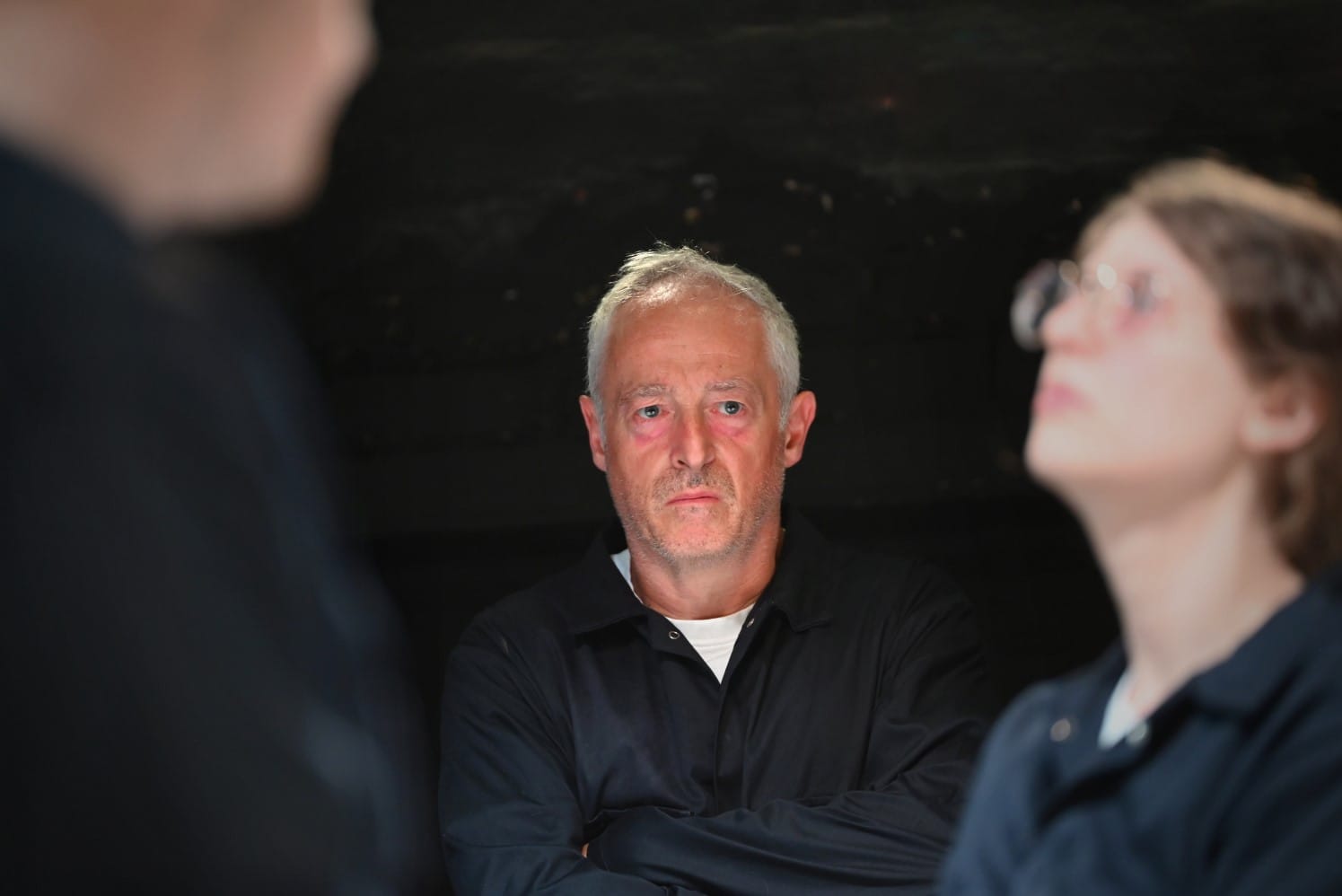
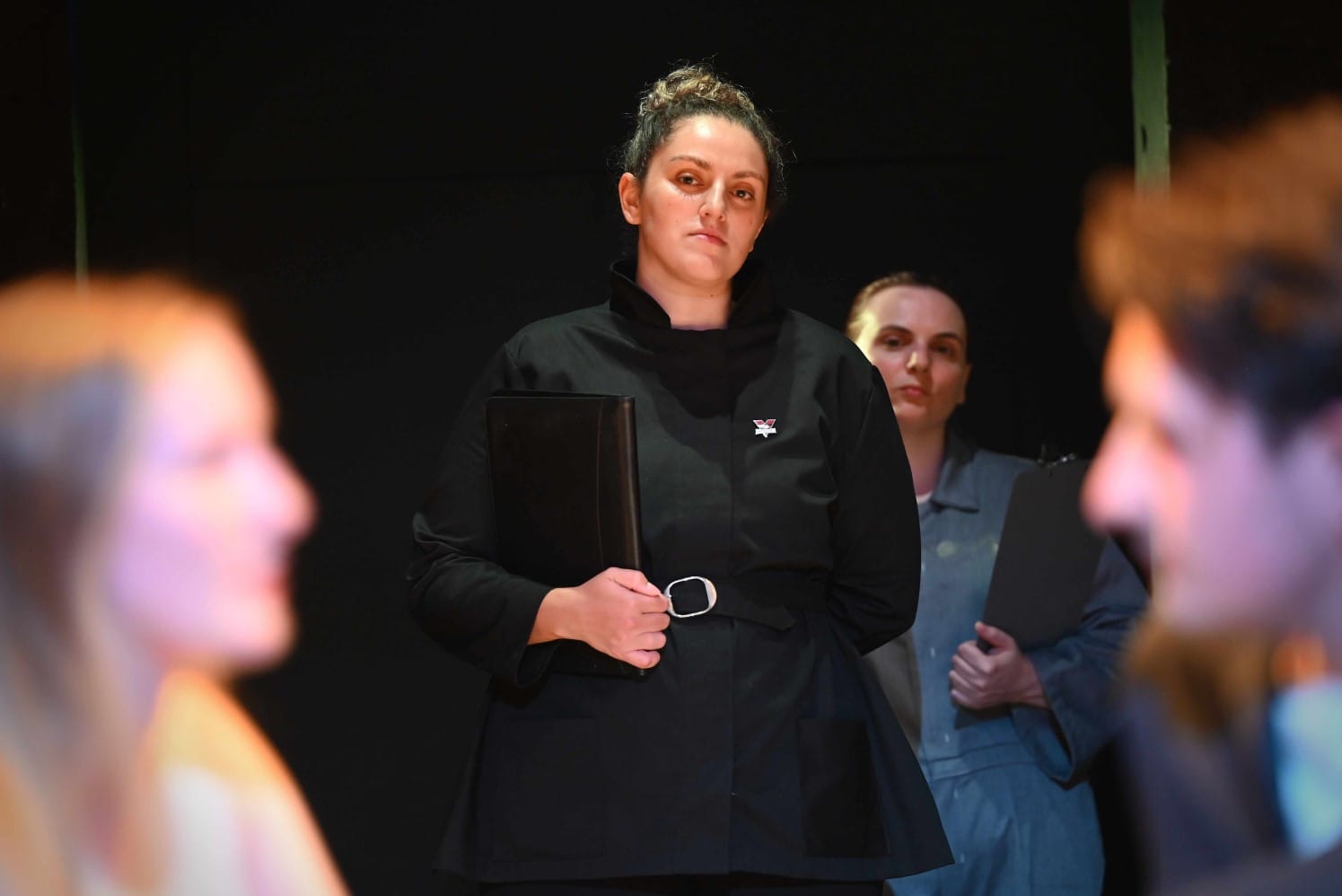
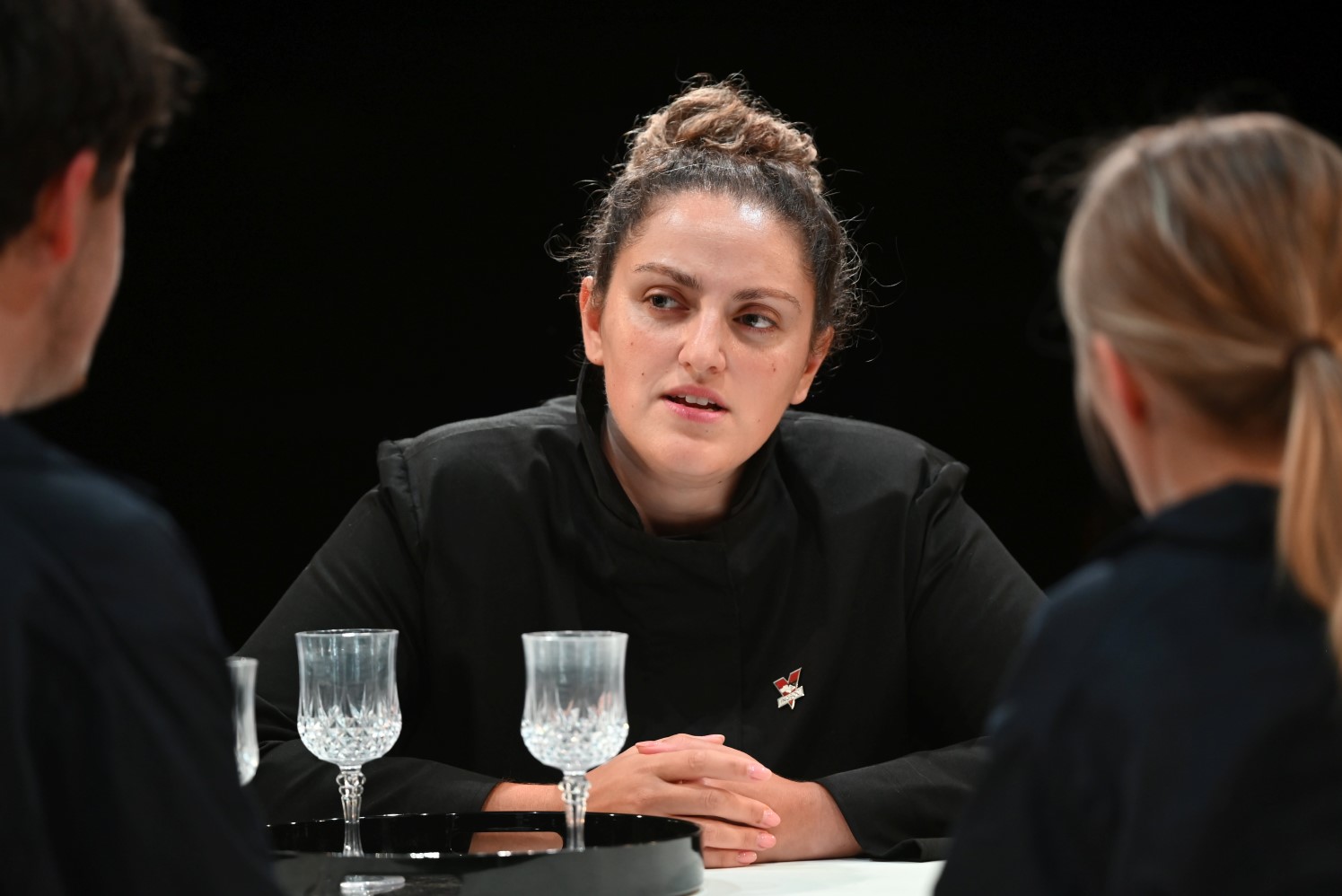
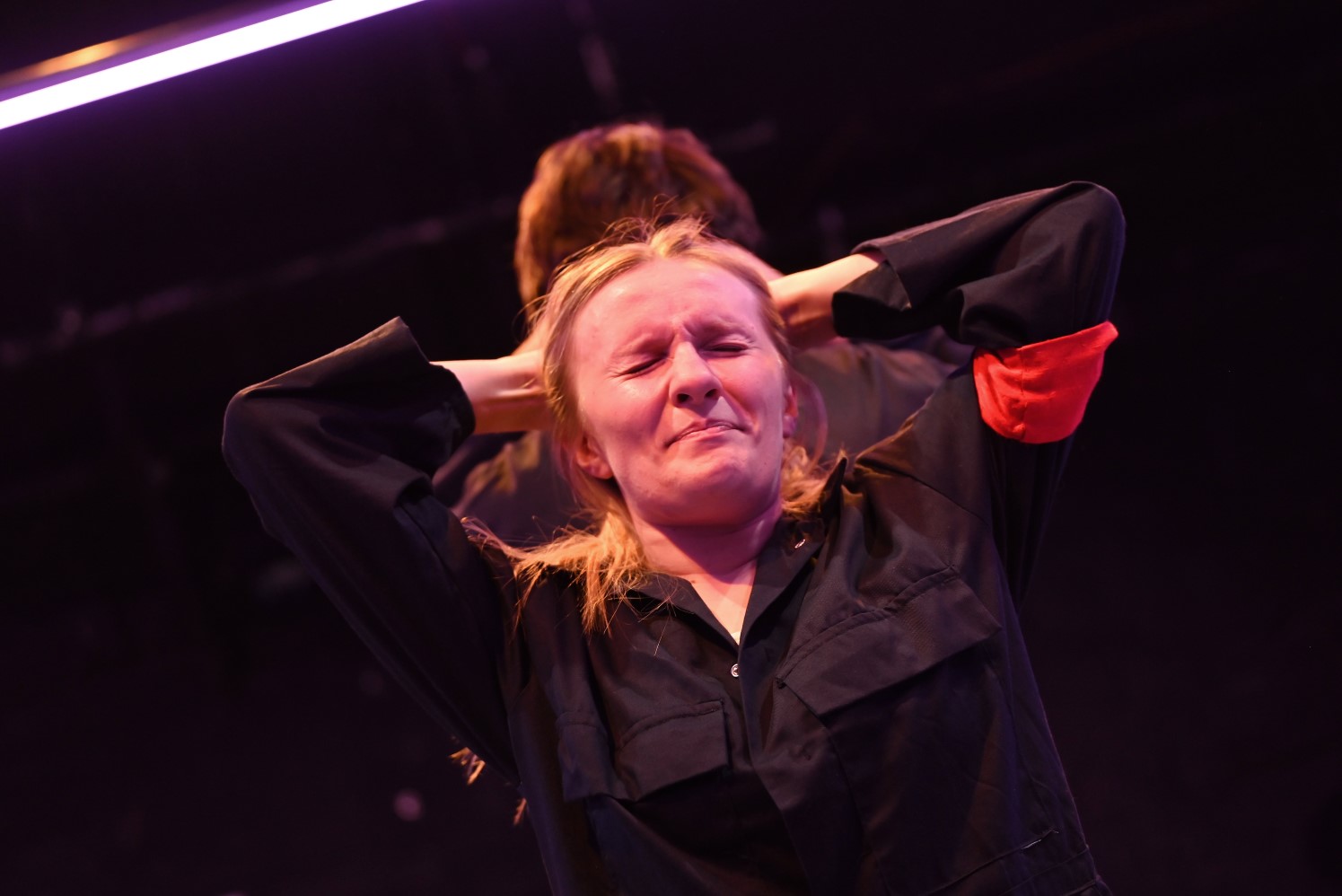
Lauren Hannis was superb as Winston’s sadistic torturer O’Brien. It would be very easy to go over the top in playing such a role, but Lauren’s O’Brien provided continual shifts from psychopath to fraternal friendliness, which kept Winston off balance throughout. A powerhouse performance of terrifying, ruthless villainy.
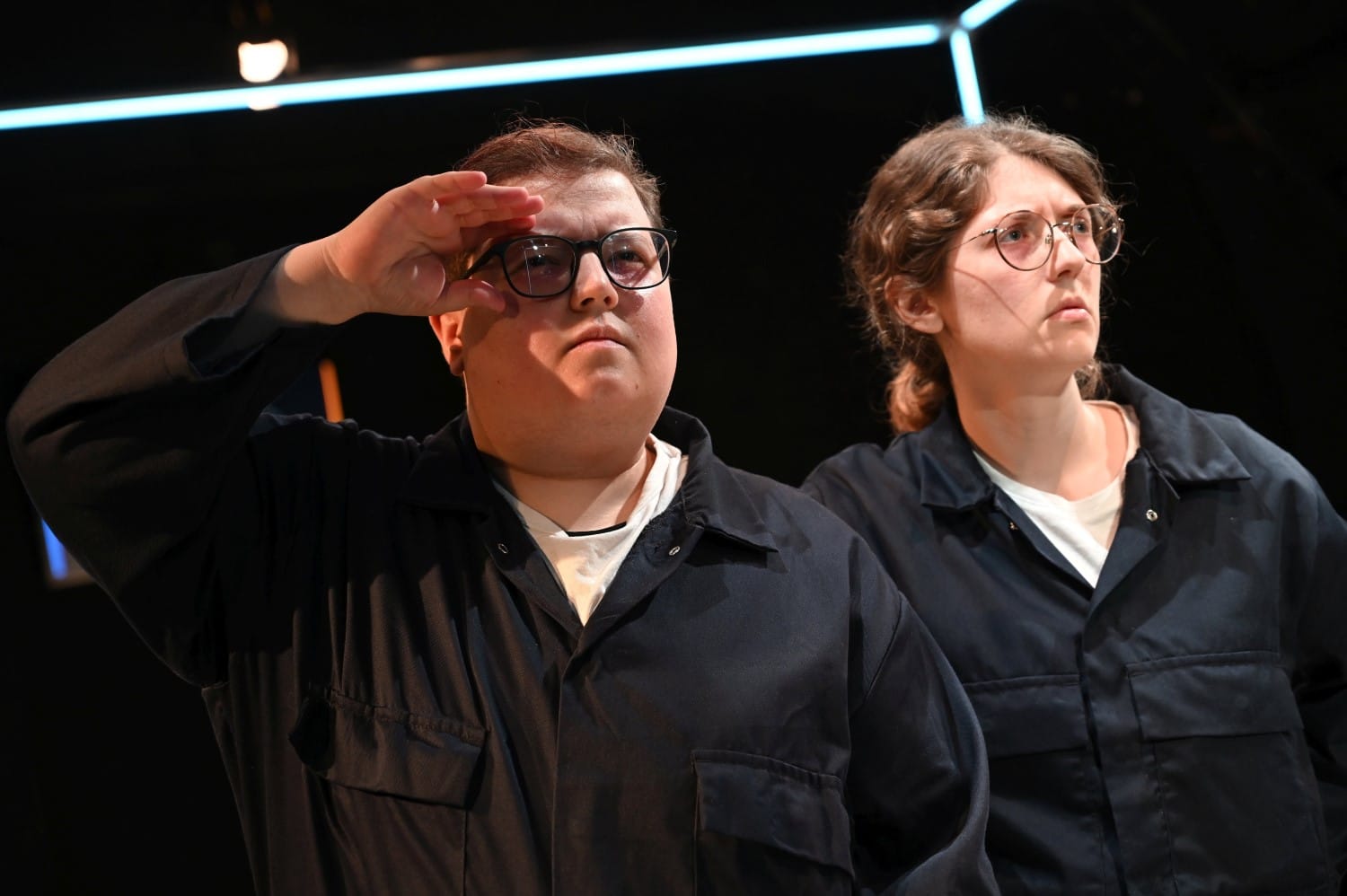
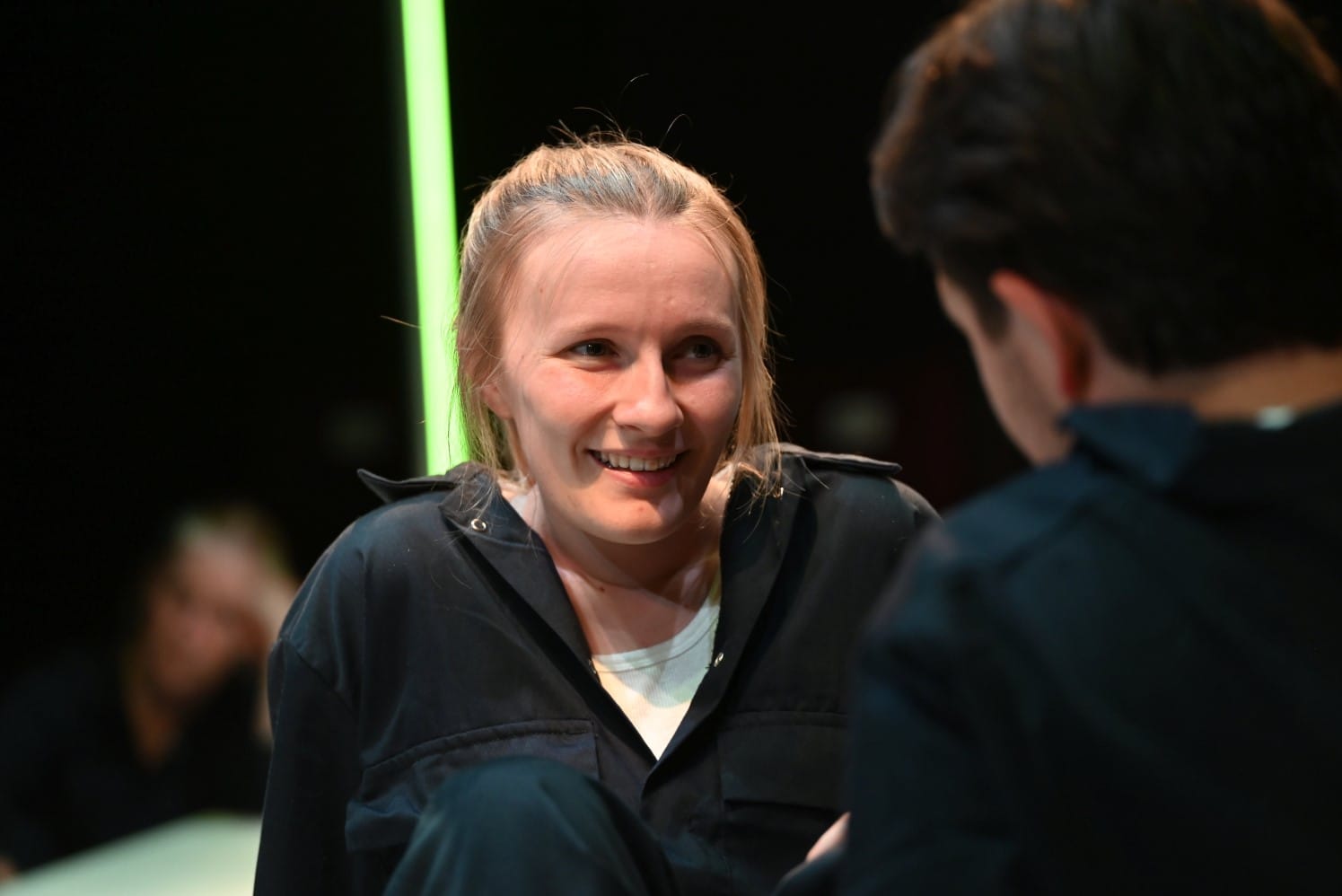
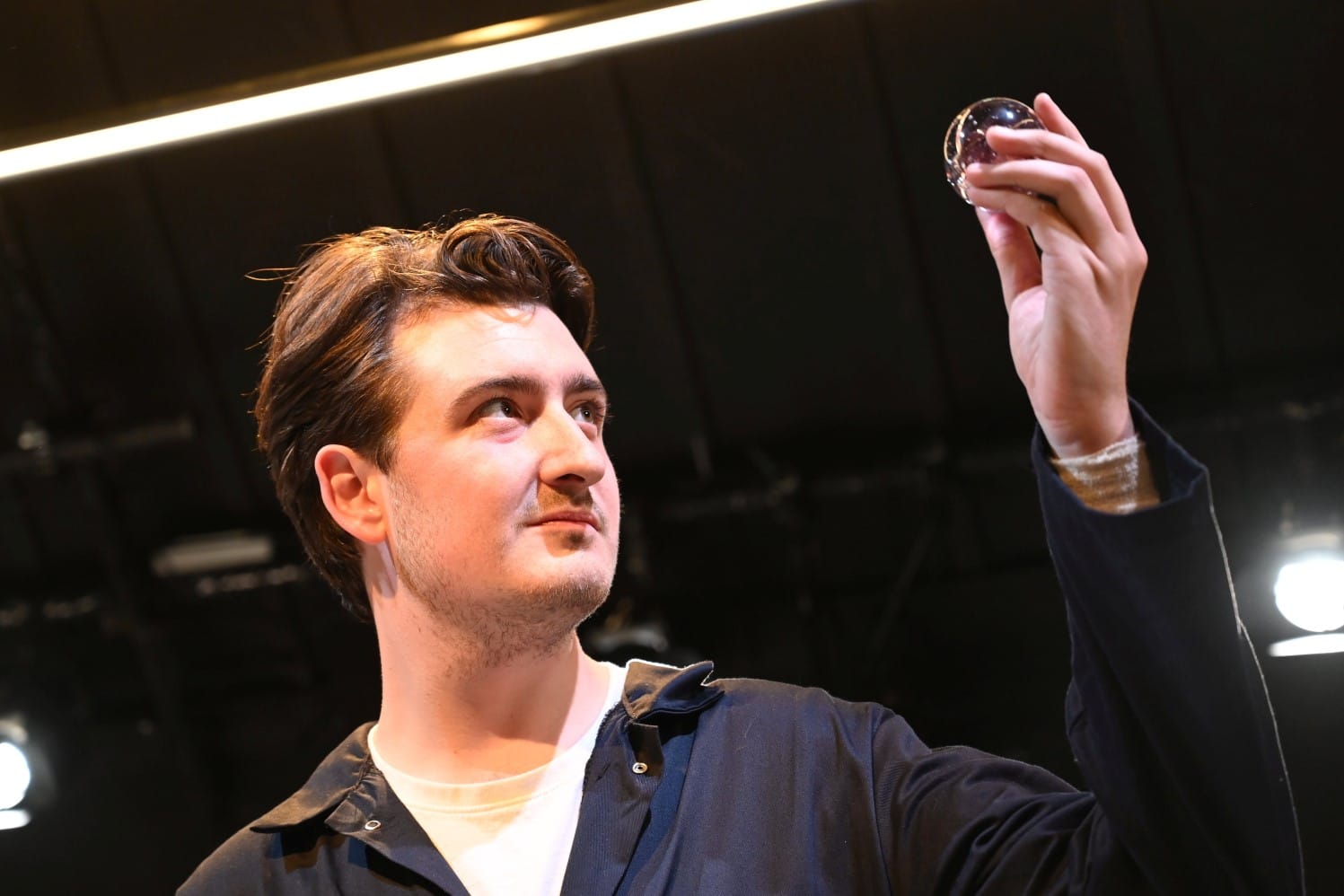
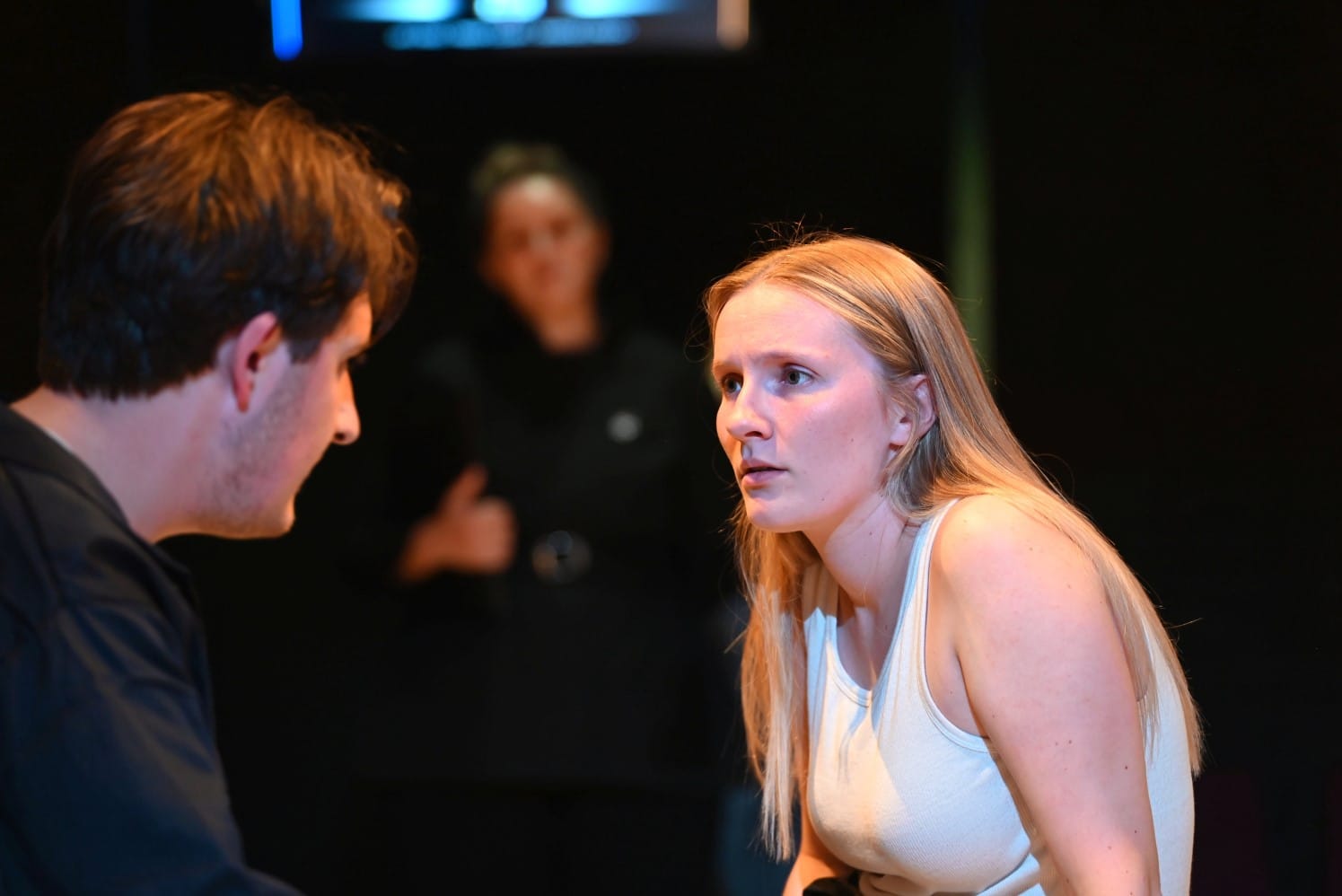
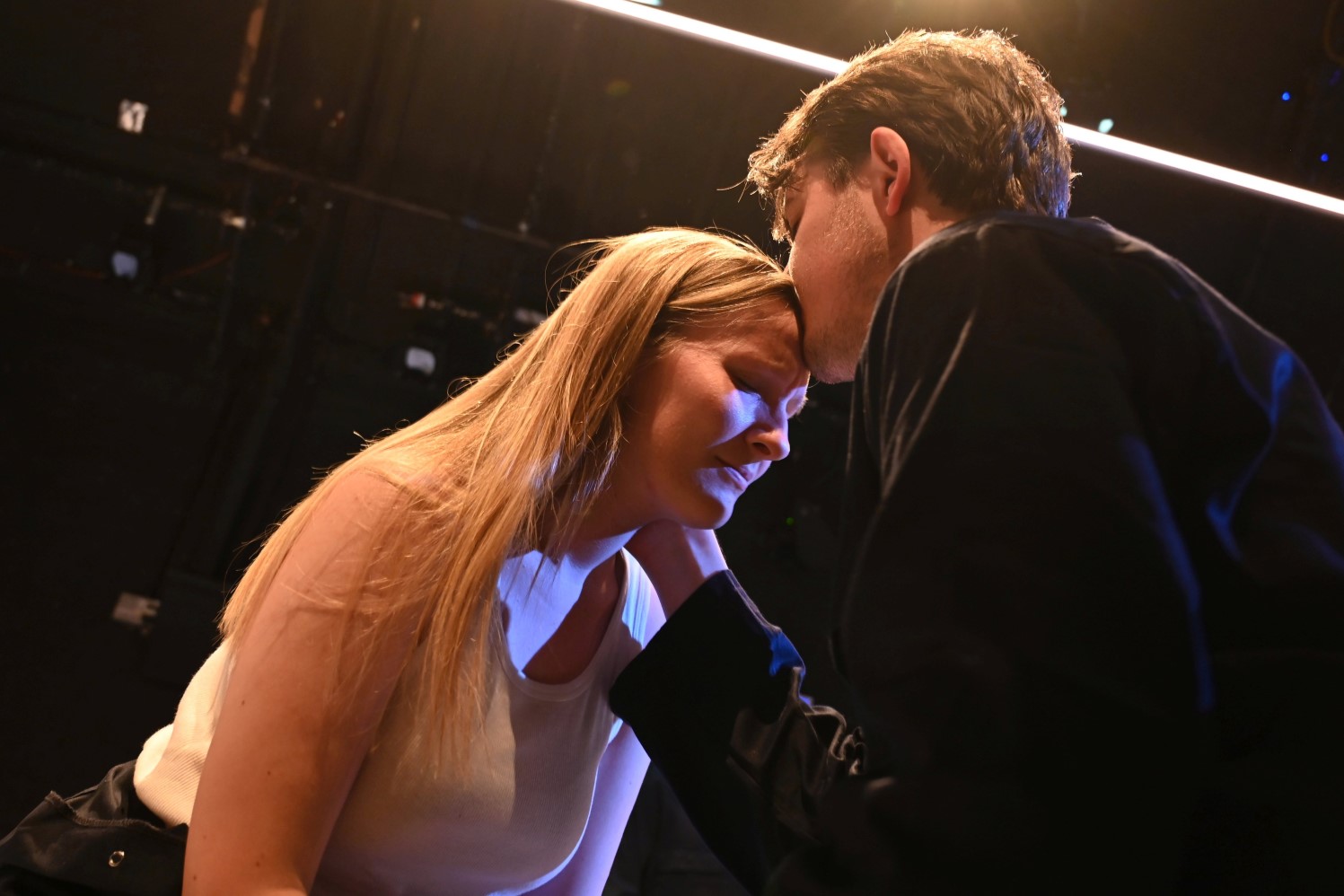
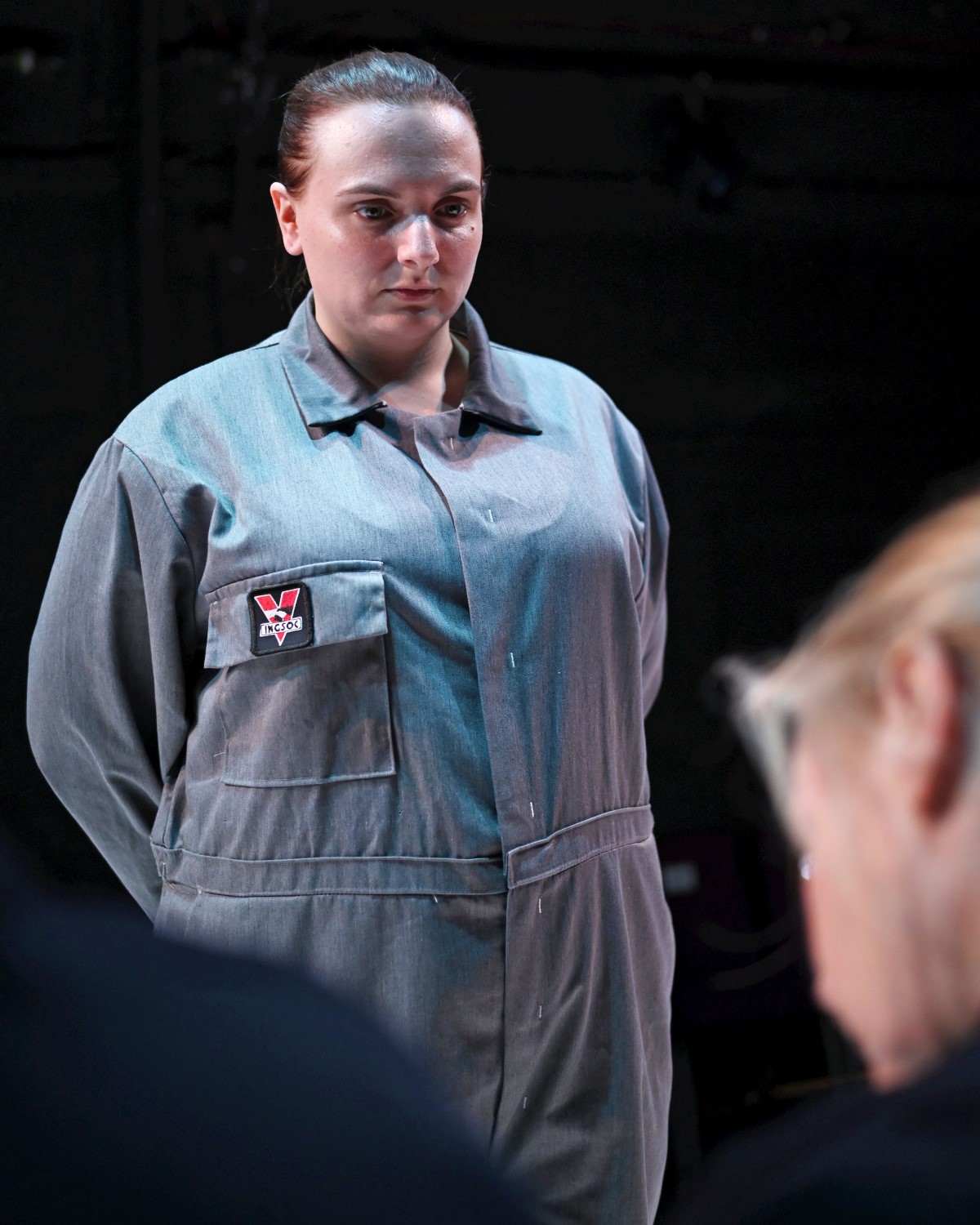
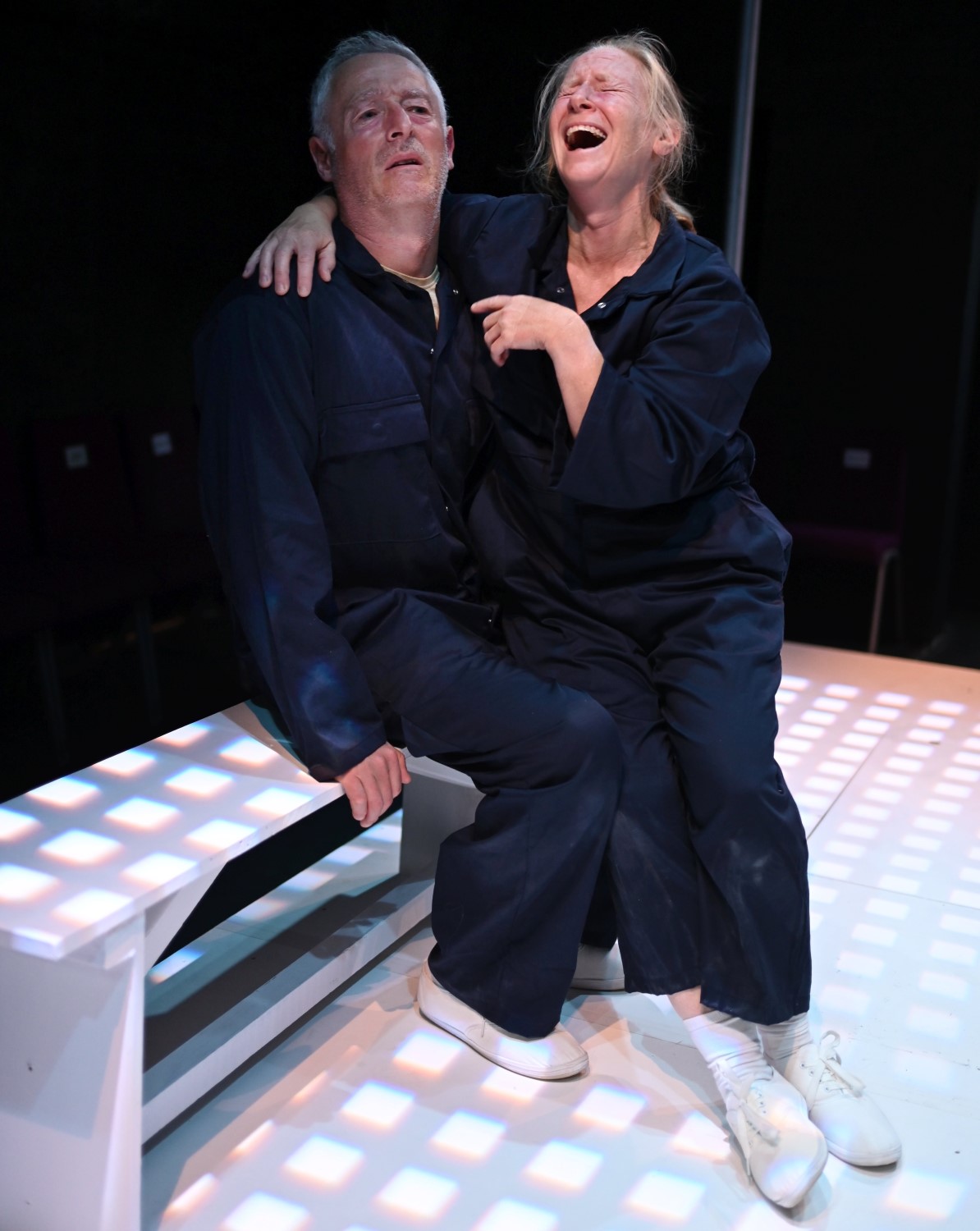
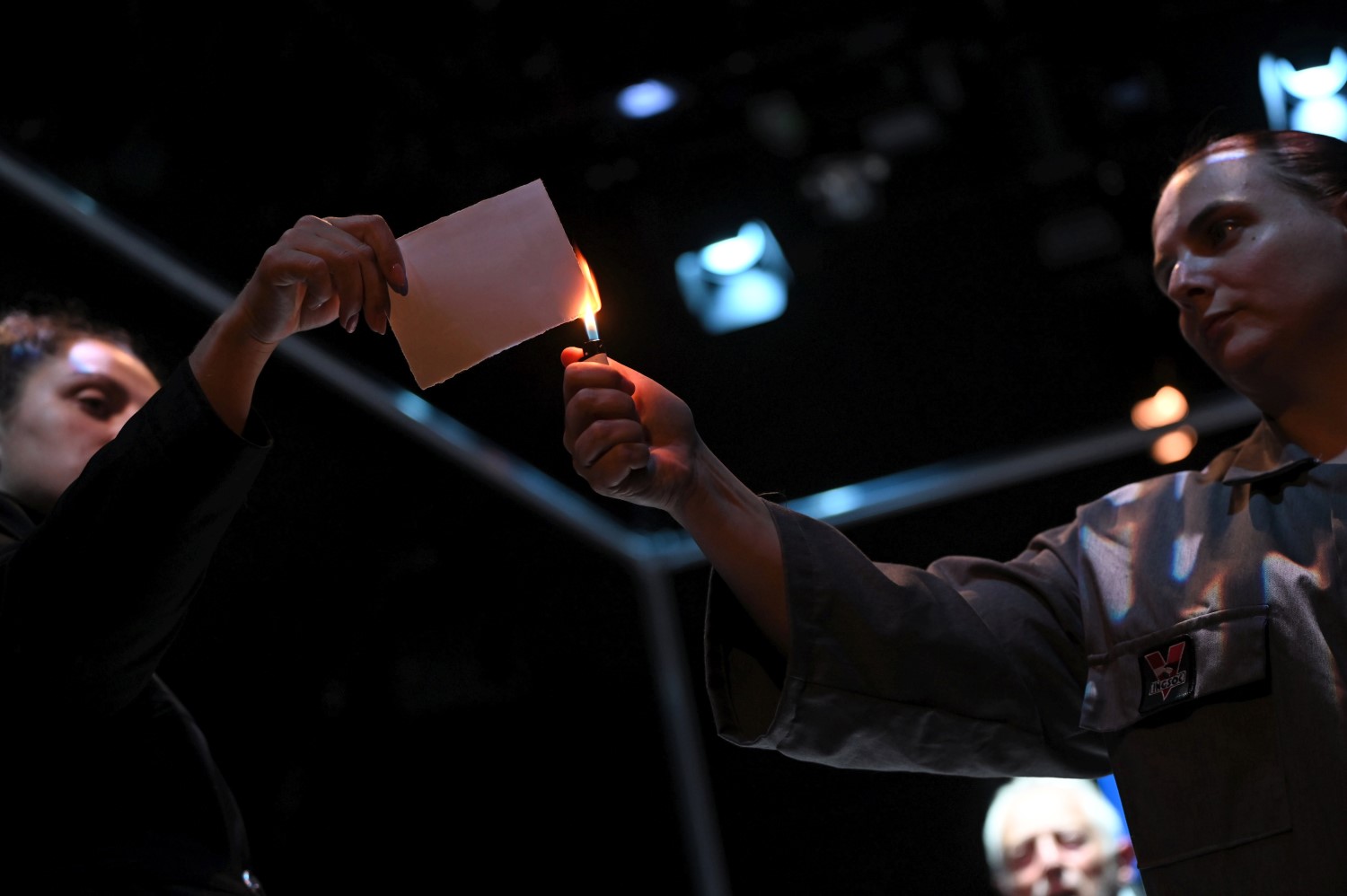
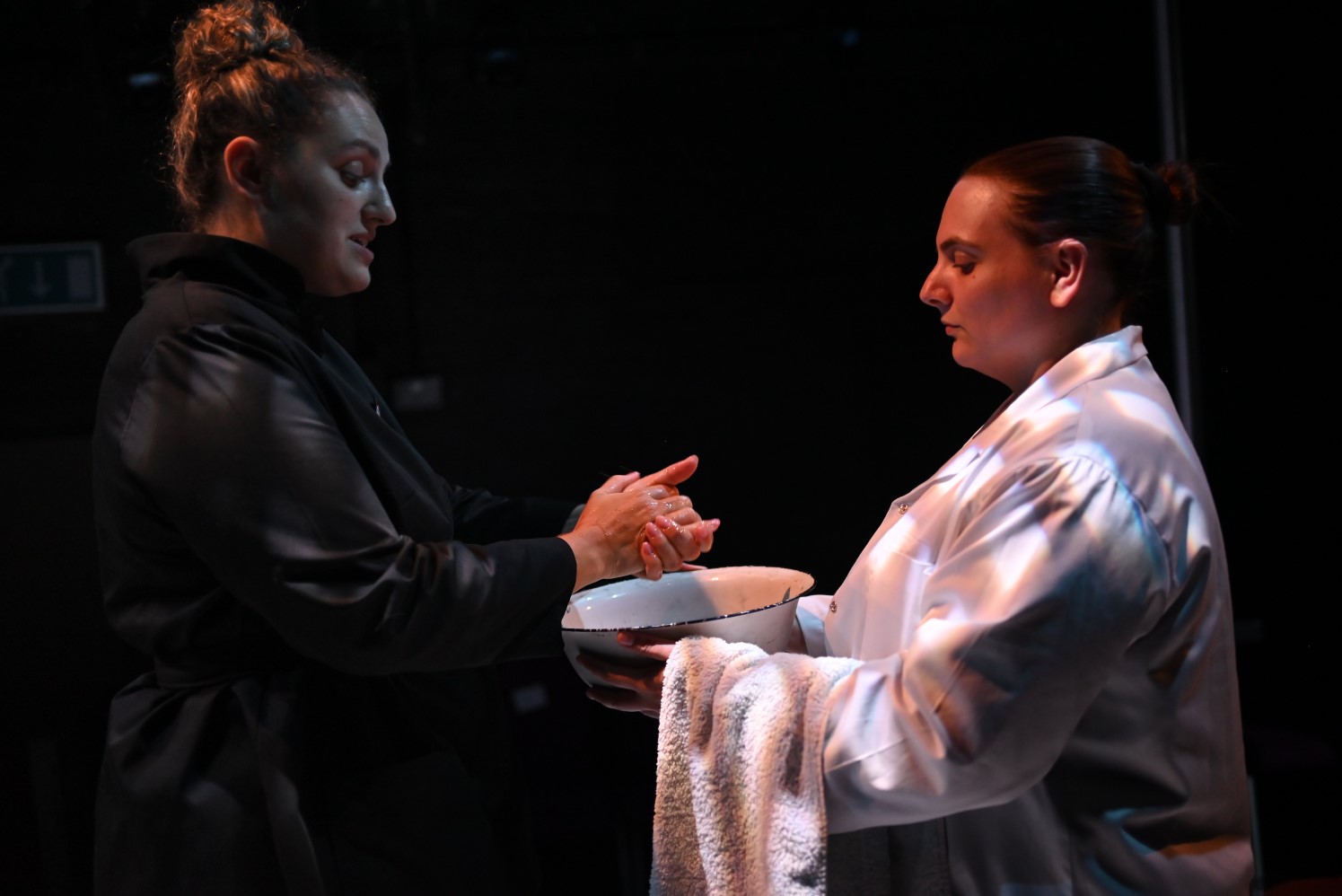
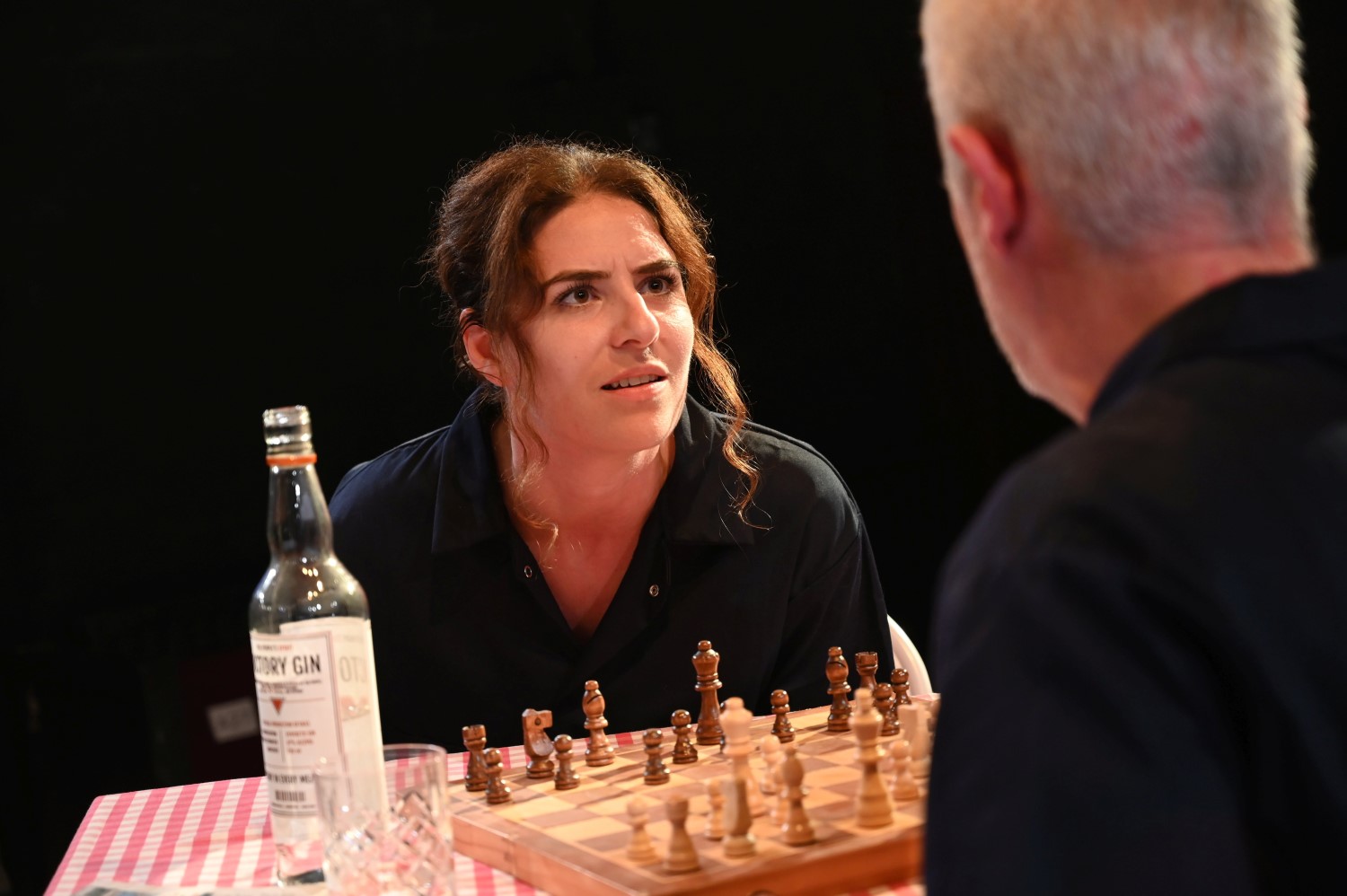
In the first act we see Winston being confronted with proof of his ‘crimes’ through a series of vignettes played out by his fellow inmates. The younger Winston and Julia (the object of Smith’s affections) played by Jonathon Wallis and Calypso Powell, are forced to ‘learn their lines perfectly’, under threat of incurring O’Brien’s wrath. Both actors brilliantly brought their alter egos to life in the scenes, clearly showing why the forbidden love leads Winston and Julia down the path they follow. Once the scenes ended, sometimes abruptly by O’Brien if the inmates seemed to be enjoying themselves rather too much, the rapid descent into total subservience was a vivid contrast to their fleeting glimpse of freedom.
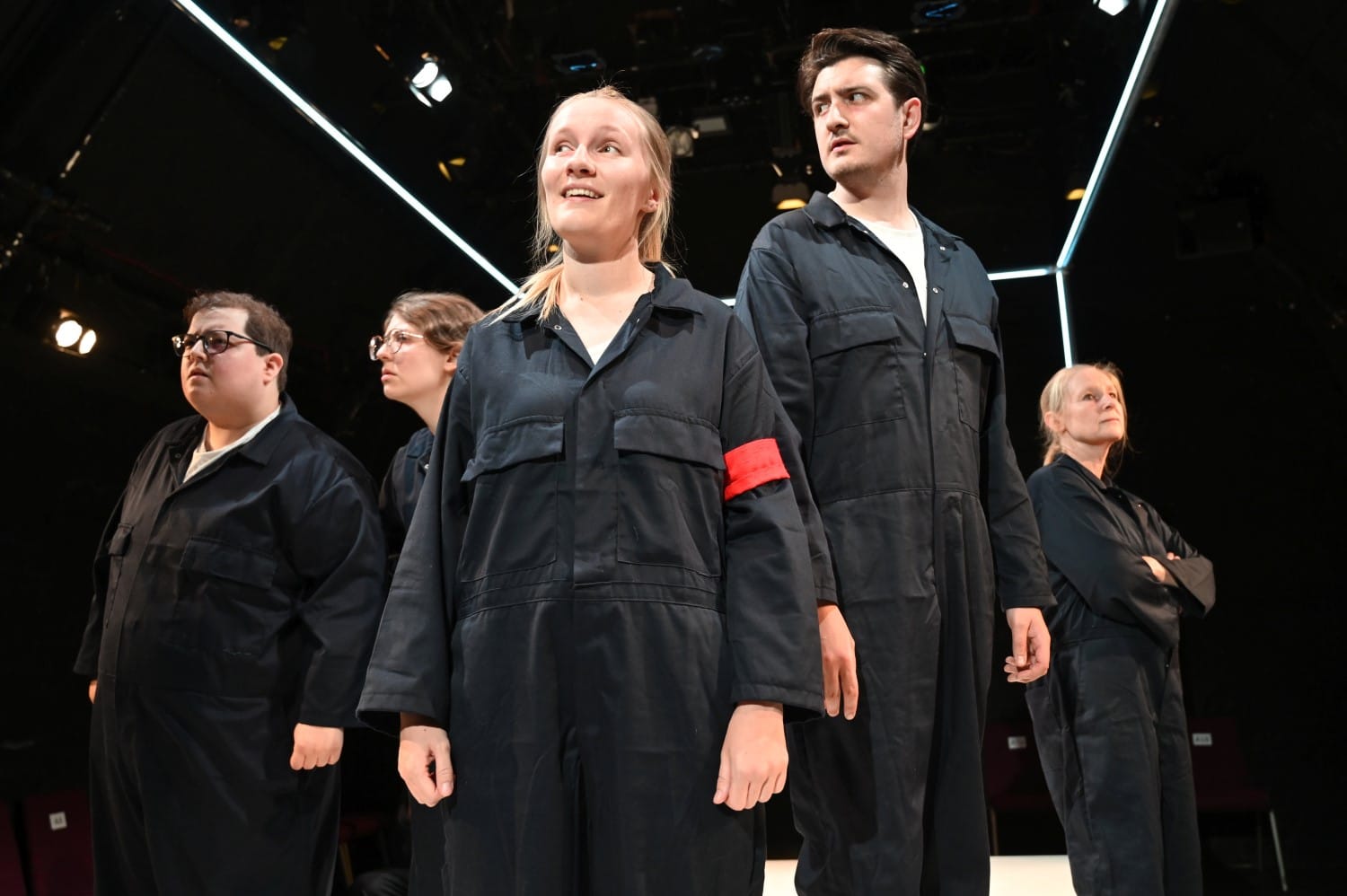
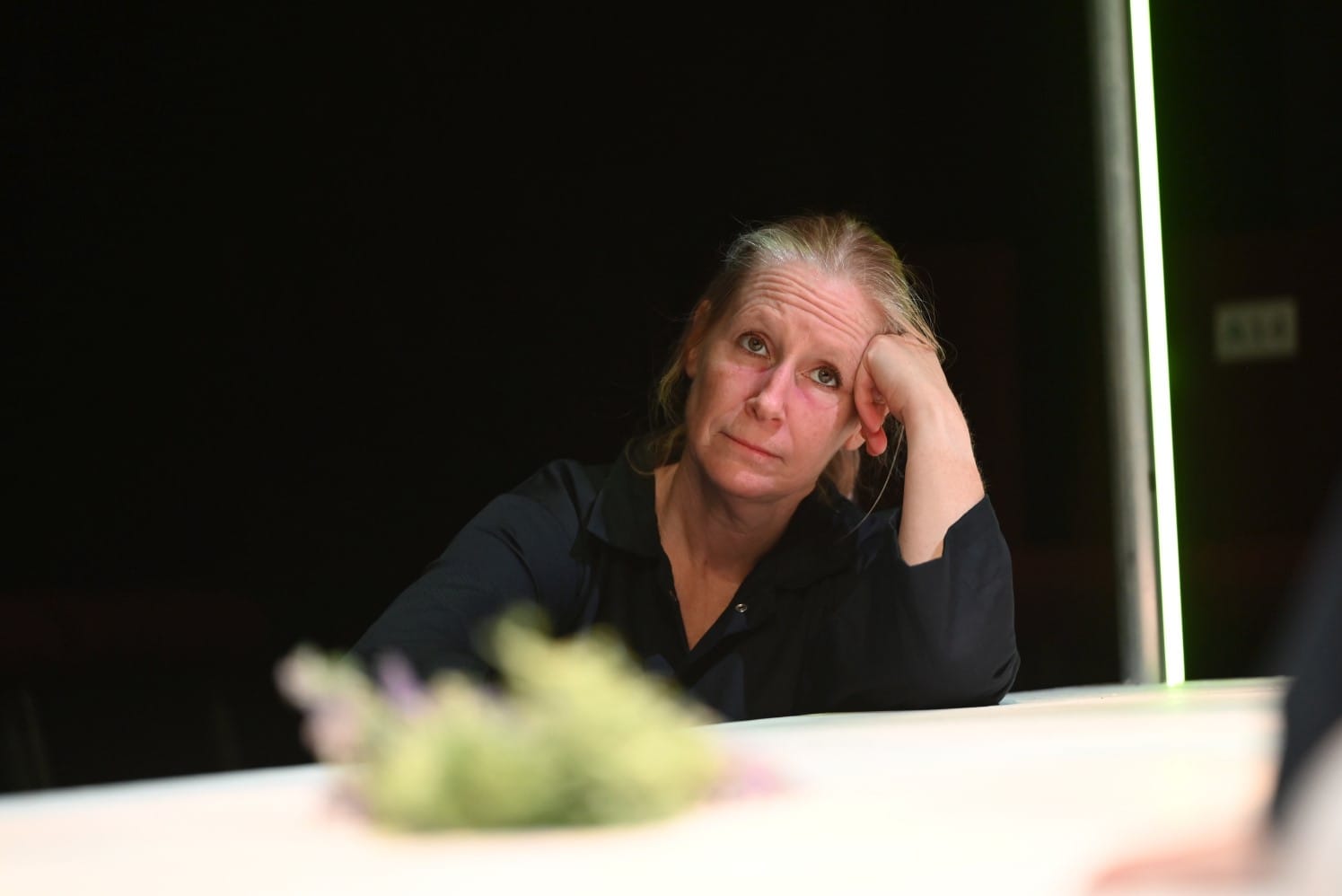
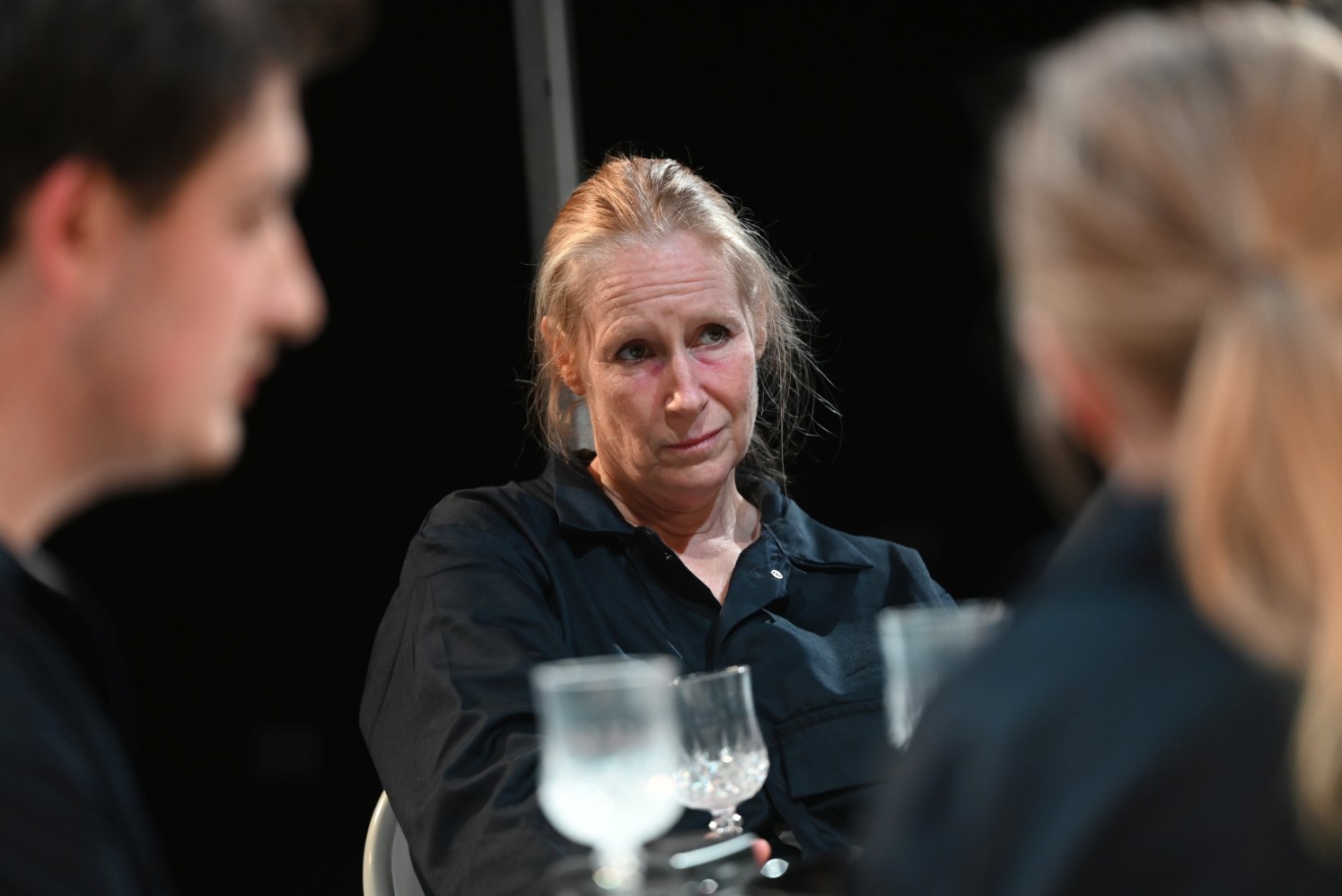
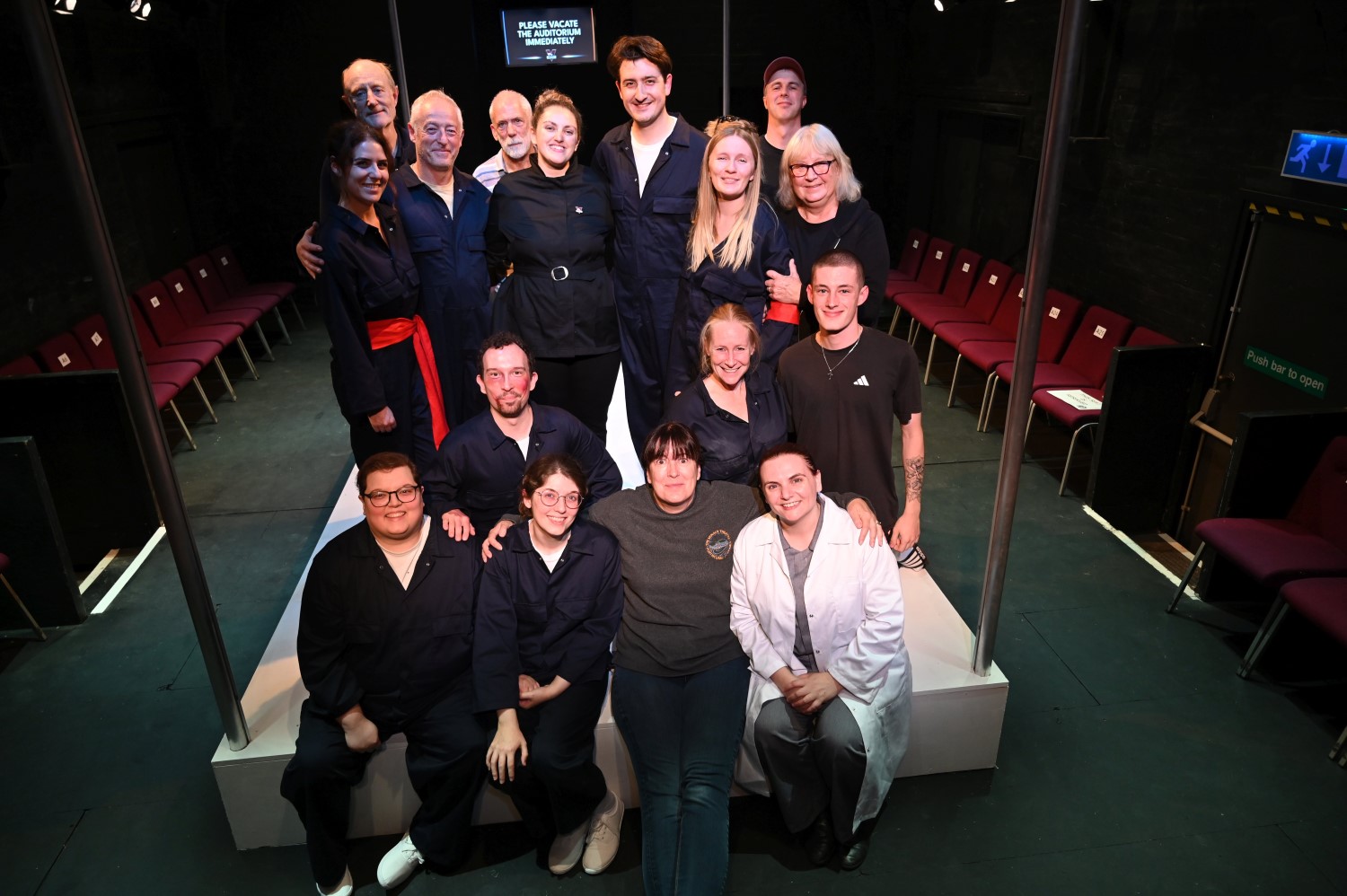
Amongst the strong supporting cast, a special mention must go out to Jo Manser for her portrayal of the Guard and Doctor. Bringing bristling menace to the stage whilst saying so little, Jo’s performance was a classic example of ‘less is more’. Whilst the focus of the play is the conflict between Smith and O’Brien, the other supporting actors brought vital elements of warmth, fear and insanity to the production, which made for a thoroughly engaging watch. Kudos therefore to Mya Medina, Michael Evans, Liss Howdle, Lizzy Terry and Crystal Martin.
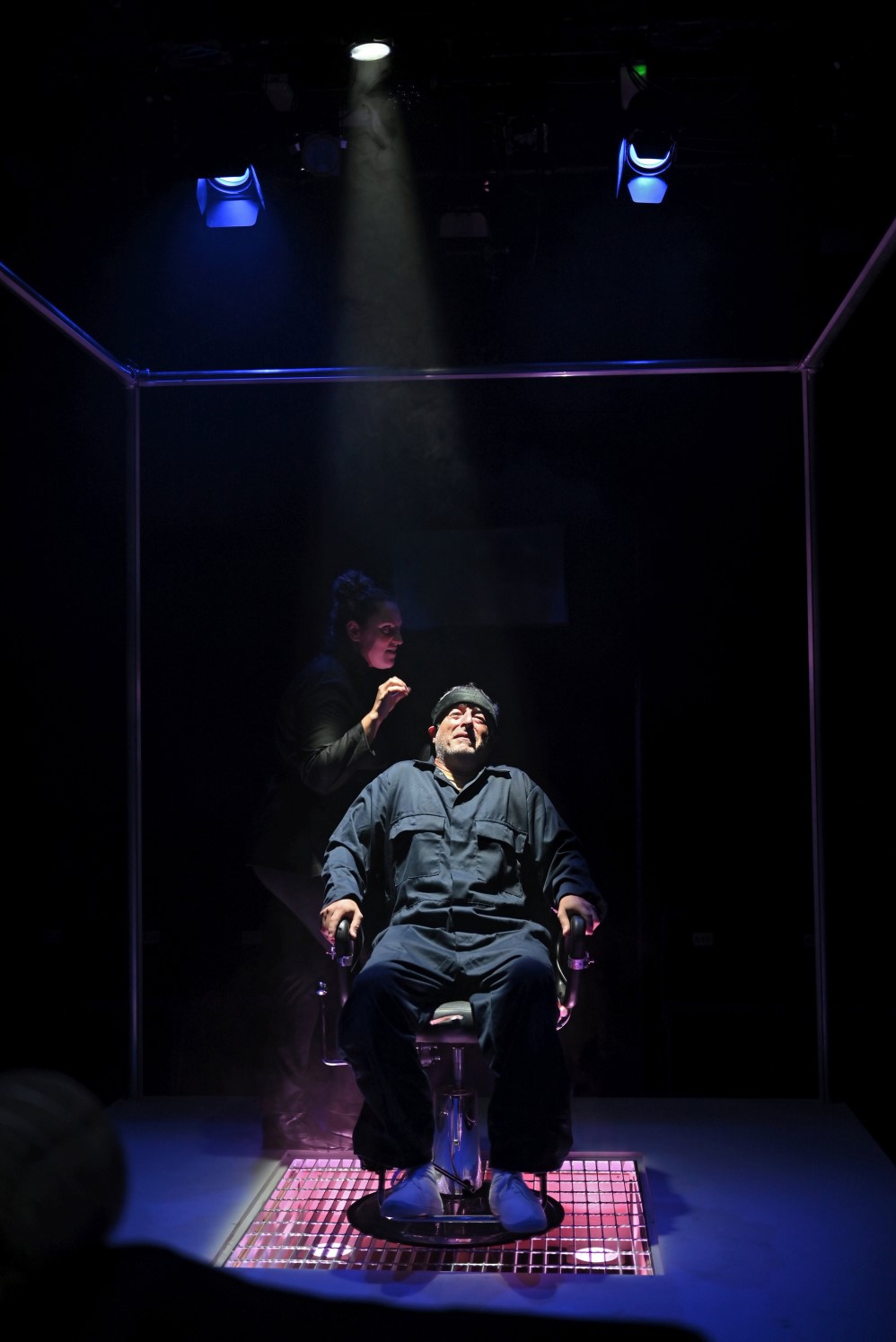
Excellent use was made of the minimal set, adding to the feeling of despair and desolation in the bowels of the Ministry. The raised central platform made great use of the ‘in the round’ space and enhanced the sight lines, especially in the relatively static torture chair scenes. The additional use of different coloured LED strips, indicating whether we were in ‘story mode’ or ‘real time’, was superbly executed and the sudden bursts of red during the electrocution scenes added exponentially to the fear and tension of the moment. The excellent soundscape also added a chilling undercurrent throughout.
All in all, 1984 provided a gripping retelling of the story and, I’m sure, provided many conversations on the way home and, as in my case, over breakfast and well into the following days. Congratulations to the whole team that brought 1984 to life in such vivid style, especially to co-directors Jonathon Wallis and Loretta Freeman. Another triumph for CoPs!!